
Polyimide (PI) Coating
Polyimide (PI) is a high‑performance polymer widely used for interventional medical devices, aerospace and electronic components. Boasting great thermal stability, mechanical toughness, chemical resistance and dielectric properties, polyimide coating serves as protective and functional layers for catheters, guidewires and micro‑medical tubing. It withstands common medical sterilization methods, tolerates repeated bending in complex vascular pathways, and shows good biological inertness after medical‑grade optimization, making it compatible with human blood and tissues. Its surface can also be modified for hydrophilic lubrication or drug‑loading, while its insulation capability supports electrophysiology and diagnostic device manufacturing.
Traditional dip‑coating processes frequently produce polyimide coating defects such as uneven thickness, edge buildup and bubbles on miniature precision medical parts. Ultrasonic spraying atomizes polyimide solution into fine droplets to deposit thin, uniform, pinhole‑free films with stable repeatability. This technology enables accurate thickness control, reduces raw material waste, and fits both laboratory research and large‑scale medical‑grade production for fine tubes, guidewires and small interventional components.
There are practical limitations for polyimide coating in real‑world medical manufacturing. Pure polyimide is not inherently hydrophilic, so extra surface modification or top‑coats are required to achieve low‑friction performance under aqueous conditions. Strict viscosity and process parameter control are necessary to avoid pinholes and orange‑peel surface defects. Besides, medical‑grade polyimide coatings must complete full biocompatibility validation to satisfy relevant medical regulatory standards before clinical application.
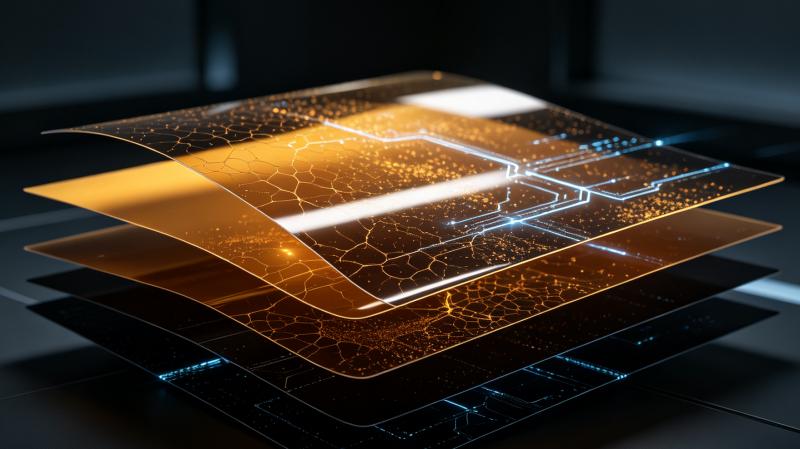
An Overview of Polyimide Technology Evolution
An Overview of Polyimide Technology Evolution An Overview of Polyimide [...]
PSPI Photosensitive Polyimide
PSPI Photosensitive Polyimide PSPI Photosensitive Polyimide: A Core Insulating Material [...]
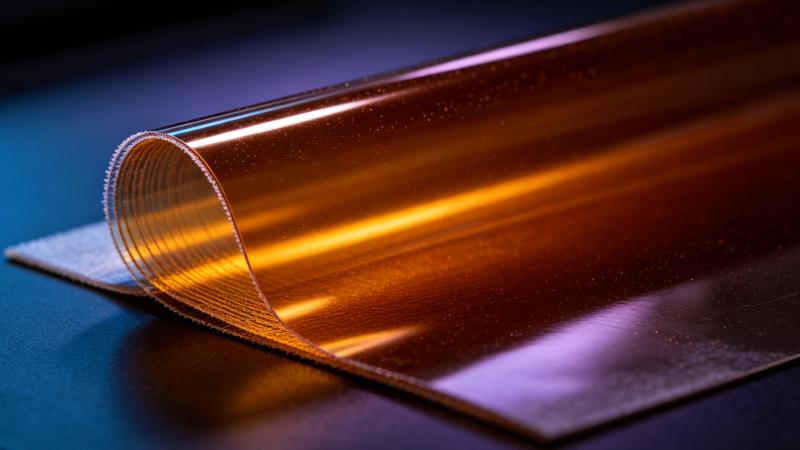
Molecular Structure Design of Polyimide (PI)
Molecular Structure Design of Polyimide (PI) Molecular Structure Design of [...]
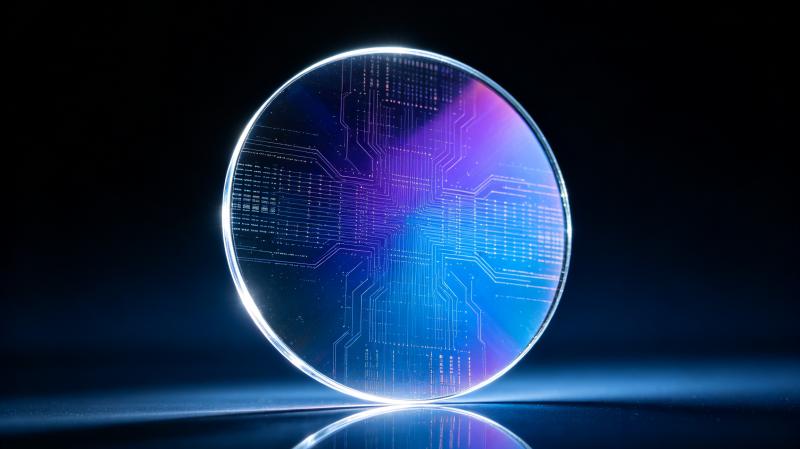
The emerging force in the semiconductor field: entering the world of glass wafers
The emerging force in the semiconductor field: entering the world [...]
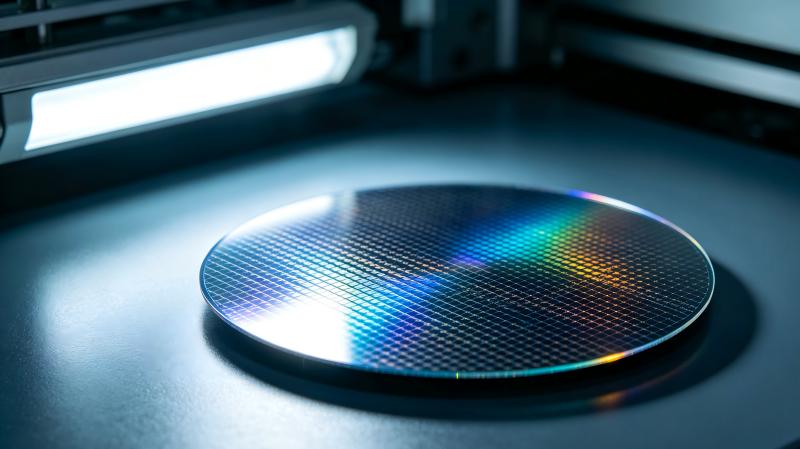
Precision Insulation Dielectric Coating Solution
Precision Insulation Dielectric Coating Solution Semiconductor wafer polyimide ultrasonic spraying [...]
Polyimide Coating Knowledge
Polyimide Coating Knowledge Learn polyimide coating knowledge: key [...]
