
An Overview of Polyimide Technology Evolution
An Overview of Polyimide Technology Evolution: A Century of Development, Modification, and Process Advancements
Recognized as a high-performance polymer, polyimide—characterized by exceptional resistance to extreme temperatures, radiation, and chemicals, as well as superior insulating properties—has played a pivotal role across industries ranging from aerospace and microelectronics to display technology and advanced packaging. Its journey, spanning over a century of technological iteration, has evolved from accidental laboratory synthesis and specialized military applications to becoming a core dielectric medium in consumer electronics and high-performance computing chips; this progression mirrors the broader evolution of polymer materials from basic synthesis to precision molecular design.
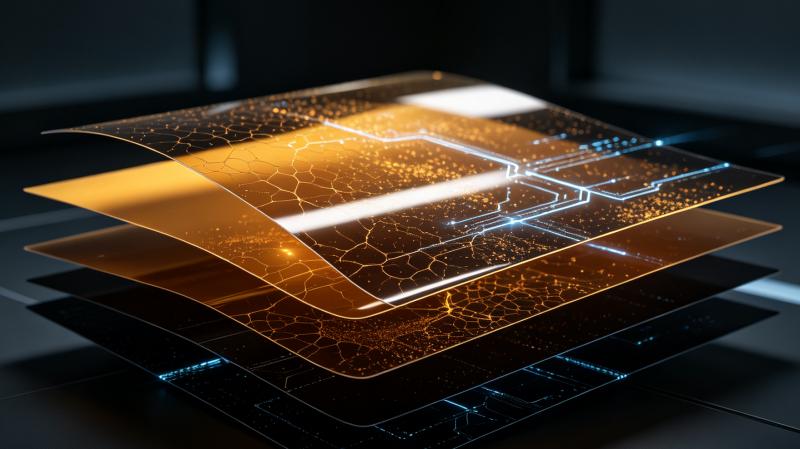
The origins of polyimide date back to the early 20th century, when researchers first synthesized aromatic polyimide in the laboratory. However, due to limitations in synthesis technology, producing high-molecular-weight variants and processing them into usable forms proved difficult; consequently, the material remained in the stage of theoretical research for a long time without achieving practical application. It was not until the 1950s and 1960s that the aerospace industry’s urgent need for insulating materials capable of withstanding extreme temperature fluctuations and intense radiation drove the first major technological breakthrough for polyimide. The industry overcame the challenges of synthesizing high-molecular-weight aromatic polyimide, enabling the commercial production of films, molding compounds, and insulating varnishes. Early products primarily served military and aerospace sectors—used for cable insulation and high-temperature component protection—but were characterized by low production volumes, high costs, and limited application scope.
While the first generation of polyimide focused on thermal stability and basic mechanical properties, the material suffered from drawbacks such as suboptimal dielectric performance, high water absorption, and processing difficulties. With the rapid rise of the electronics industry in the 1980s and 1990s, flexible circuit boards and semiconductor devices imposed new requirements on insulating dielectrics, ushering polyimide into an era of modification and iteration. Researchers adjusted molecular chain structures and introduced special functional groups to lower dielectric constants and water absorption rates. Simultaneously, they developed thermoplastic systems that overcame the processing limitations inherent in traditional polyimides (which were neither meltable nor soluble). These advancements allowed the material to penetrate the consumer electronics market on a large scale, establishing it as a critical insulating substrate for circuit boards and electronic components.
As microelectronic manufacturing processes continue to scale down, standard polyimide cannot be directly patterned via photolithography; instead, it requires the use of additional photoresists to create patterns, resulting in a cumbersome manufacturing workflow. Photosensitive polyimide (PSPI) subsequently emerged; by incorporating photosensitive groups into the molecular chain, it combined heat resistance and electrical insulation with photolithographic patterning capabilities. This innovation significantly streamlined manufacturing processes for semiconductors and display panels, marking a pivotal functional breakthrough in the history of polyimide development. Concurrently, film-forming technologies diversified; beyond traditional spin-coating and slot-die coating, ultrasonic spraying—which atomizes polyimide precursor solutions—enabled the creation of thin, uniform functional layers on substrates with irregular or complex geometries, thereby expanding the application scope of coating-grade polyimides.
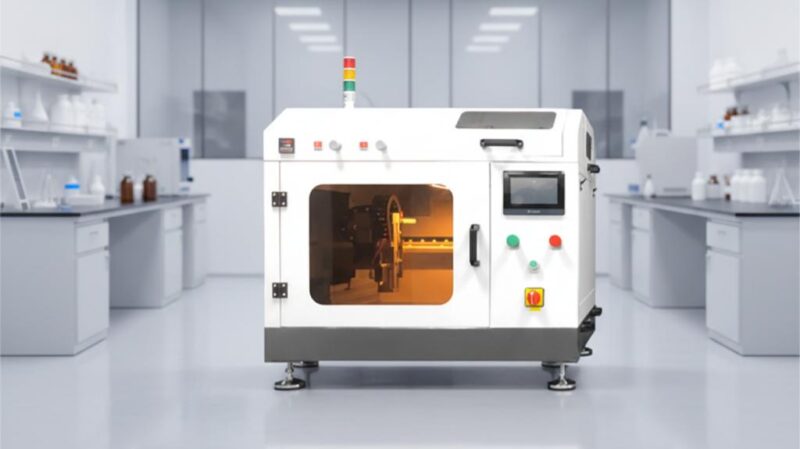
Entering the 21st century, polyimide development shifted toward diversification and specialized customization. Transparent polyimides were developed to overcome the dark coloration typical of traditional variants, thereby facilitating the rise of flexible and foldable displays. Modified versions featuring low dielectric constants and low signal loss were tailored for high-frequency, high-speed chip packaging, while high-strength, high-modulus polyimide fibers underwent continuous optimization to meet aerospace requirements for weight reduction and protection. This era moved beyond a pursuit of general-purpose properties, focusing instead on targeted molecular design to address specific industry challenges: advanced packaging demanded low ionic impurity levels and minimal internal stress; flexible screens required high transparency and resistance to repeated bending; and new energy devices prioritized hydrolysis resistance and dimensional stability.
In retrospect, the technological evolution of polyimide can be summarized in three stages: the transition from laboratory synthesis to industrial-scale production for defense applications; the modification of general-purpose heat-resistant materials to suit the electronics industry; and the move toward multifunctional customization, spanning sectors such as displays, semiconductors, aerospace, and new energy. However, challenges remain; some high-performance formulations require high curing temperatures and entail high raw material costs, while trade-offs exist between certain specialized properties, necessitating a continuous search for the optimal balance in molecular design, synthesis processes, and film-forming techniques.
Looking ahead, the continued advancement of industries such as flexible electronics, advanced packaging, and deep-space exploration imposes increasingly rigorous performance requirements on polyimide materials. Novel polyimides offering lower curing temperatures, reduced dielectric loss, and superior dimensional stability will remain focal points of R&D, driving this classic high-performance polymer into new industrial frontiers.
About Cheersonic
Cheersonic is the leading developer and manufacturer of ultrasonic coating systems for applying precise, thin film coatings to protect, strengthen or smooth surfaces on parts and components for the microelectronics/electronics, alternative energy, medical and industrial markets, including specialized glass applications in construction and automotive.
Our coating solutions are environmentally-friendly, efficient and highly reliable, and enable dramatic reductions in overspray, savings in raw material, water and energy usage and provide improved process repeatability, transfer efficiency, high uniformity and reduced emissions.
If you have any technical questions, customization demands, or procurement inquiries about ultrasonic atomization nozzles, feel free to contact our professional sales and technical team for detailed parameters, customized solutions, and industry application support.
Email: market2@cheersonic.com
