Implantable Neuromodulation Wire PI Insulation
Implantable Neuromodulation Devices — Why Platinum-Iridium Wires Need Reliable Polyimide Insulation
1. Understanding Implantable Neuromodulation Devices
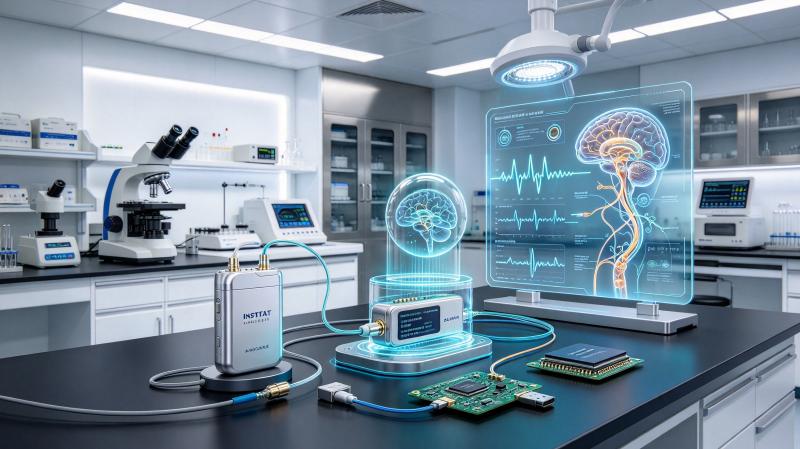
Neuromodulation is a medical technology that uses electrical stimulation or other methods to influence nervous system activity.
Common applications include:
- Spinal Cord Stimulation (SCS).
- Vagus Nerve Stimulation (VNS).
- Peripheral Nerve Stimulation (PNS).
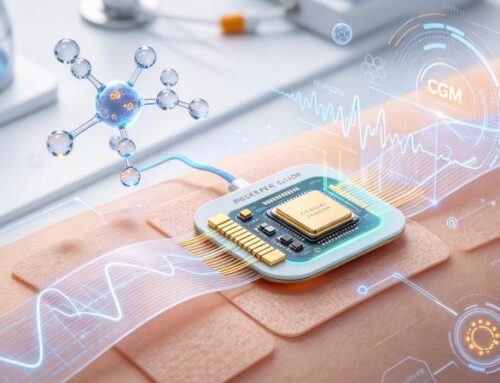
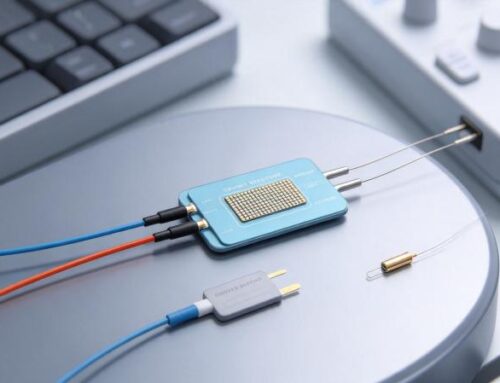
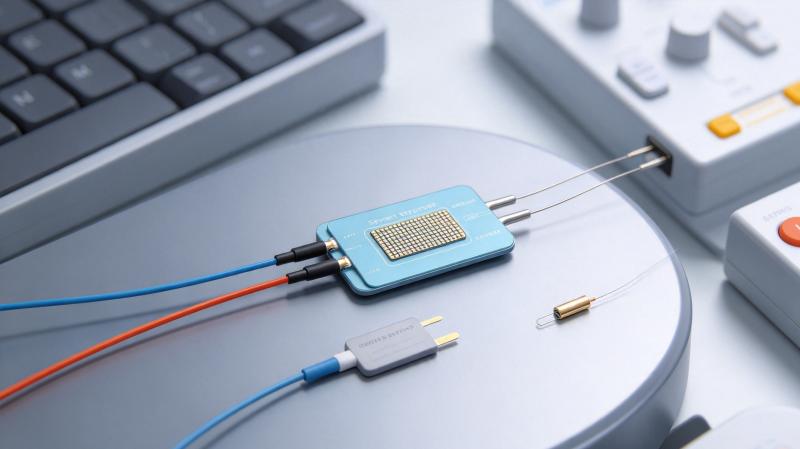
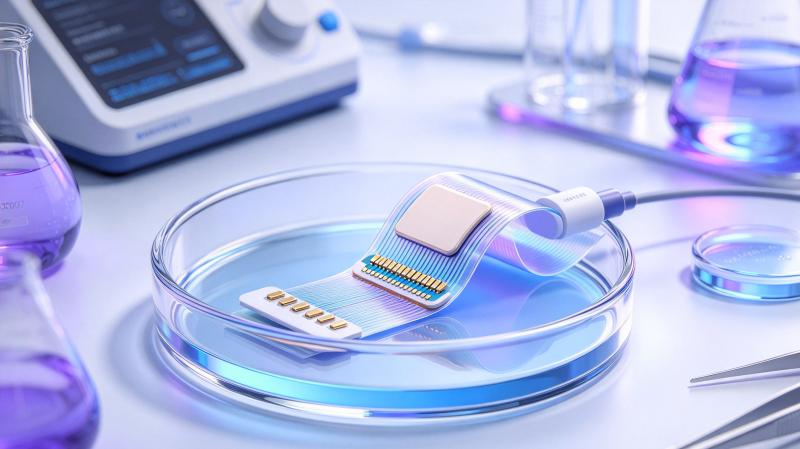
These systems typically include an implantable pulse generator, electrodes, conductive leads, and electrical connection structures.
In some applications, electrodes and conductive components remain inside the human body for extended periods and experience mechanical movement during normal daily activities.
Therefore, material selection and insulation reliability are essential considerations.
2. The Role of Platinum-Iridium Wires in Neuromodulation Systems
Platinum-iridium alloys are known for their corrosion resistance, electrochemical stability, and electrical conductivity.
They are candidate materials for certain medical electrode structures and miniature conductive connections.
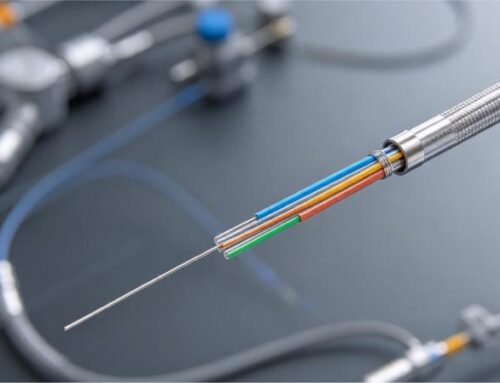
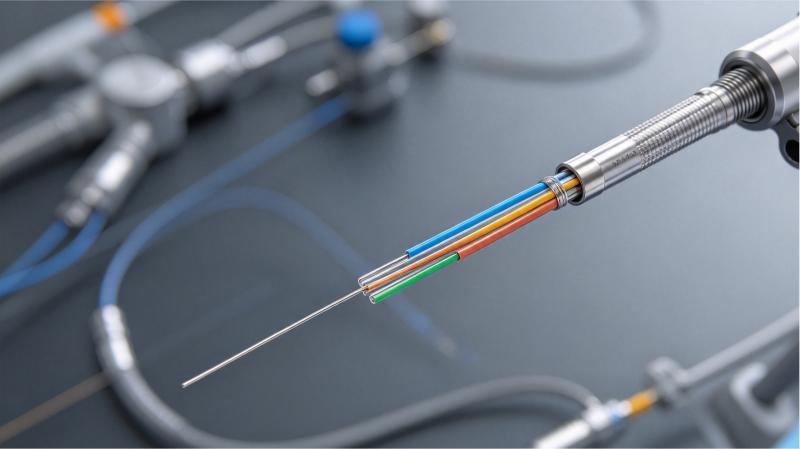
In specialized neuromodulation devices, fine platinum-iridium wires may be used in electrode regions or internal conductive components.
For wires with a diameter of only 80 μm, the insulation layer must provide electrical isolation without excessively increasing the overall dimensions.
It may also need to tolerate bending, mechanical stress, and long-term exposure to the operating environment.
3. Advantages and Challenges of PI Insulation
Polyimide is a high-performance polymer widely used in electronic insulation and microfabrication.
Its potential advantages include:
- The ability to form relatively thin electrical insulation layers.
- Good thermal stability.
- Compatibility with selected precision coating processes.
- Potential integration with miniature electrode manufacturing.
However, implantable medical devices operate under conditions that differ significantly from those of conventional electronics.
The human body presents a moist, ion-containing environment, while implanted components may experience repeated mechanical movement.
For PI-coated implantable wires, important concerns include moisture absorption, hydrolytic stability, adhesion, fatigue cracking, and changes in electrical insulation performance over time.
Therefore, PI should not be considered universally suitable for long-term implantable insulation without device-specific validation.
4. Ultrasonic PI Spray Coating on 0.08 mm Platinum-Iridium Wires
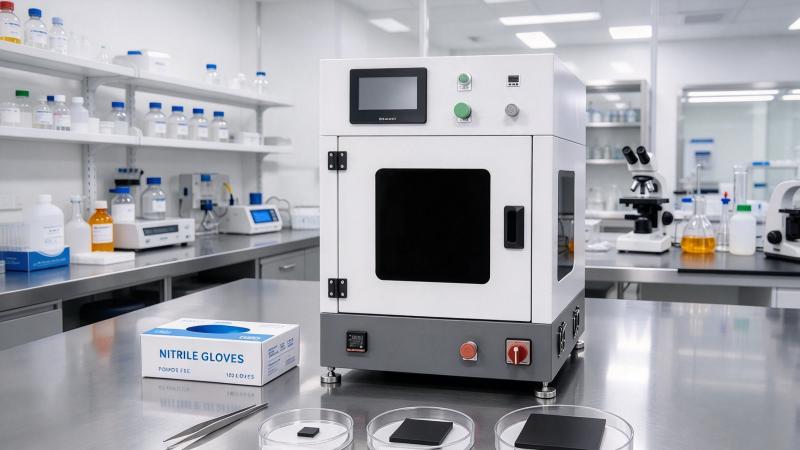
Ultrasonic spray coating can be investigated as a precision manufacturing method for applying PI insulation to ultra-fine platinum-iridium wires.
For a wire diameter of 0.08 mm, a radial coating thickness of 5–10 μm produces a theoretical finished diameter of approximately 90–100 μm.
A continuous wire-coating process can transport the platinum-iridium wire through multiple ultrasonic spray stations.
The ultrasonic nozzles atomize the PI solution into fine droplets, while multi-angle spraying and intermediate drying help build the insulation layer gradually.
After deposition, the coating undergoes thermal treatment appropriate to the selected PI formulation.
The finished wire can then be evaluated through microscopy, electrical insulation testing, adhesion testing, and mechanical bending tests.
For potential implantable applications, additional evaluations should include:
Long-Term Insulation Stability
Determine whether electrical properties remain stable during exposure to simulated physiological environments.
Mechanical Fatigue Resistance
Evaluate the possibility of coating cracks after repeated bending.
Interfacial Adhesion
Assess whether the PI layer remains attached to the platinum-iridium substrate during mechanical loading and environmental exposure.
Material Suitability
Verify that the selected resin, solvents, and processing residues meet the applicable medical device requirements.
5. From Laboratory Coating to Medical Device Manufacturing
Continuous ultrasonic spray coating may allow material delivery, atomization, wire movement, and drying to be integrated into an automated production process.
This can potentially improve process repeatability and support precise insulation thickness control.
However, implantable medical devices require extensive validation before commercial use.
Depending on the intended application, this may include risk assessment, biocompatibility evaluation, electrical testing, mechanical fatigue testing, and long-term reliability studies.
Conclusion
Combining platinum-iridium wires with PI insulation offers a potential material structure for miniature neuromodulation components.
Ultrasonic spray coating may support precision manufacturing of these structures, but long-term implantable performance and safety must be demonstrated through appropriate material and device validation.