
Email: market2@cheersonic.com
1 11, 2026

Cardiac Pacemakers and Implantable Cardiac Devices — The Technical Value of Polyimide-Insulated Platinum-Iridium Wires

2026-10-28T07:41:30+00:00

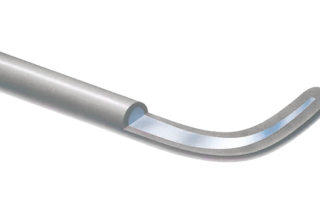
Implantable Cardiac Device Wire PI Coating Cardiac Pacemakers and Implantable Cardiac Devices — The Technical Value of Polyimide-Insulated Platinum-Iridium Wires 1. Why Do Implantable Cardiac Devices Require Reliable Electrical Connections? Cardiac implantable electronic devices (CIEDs) include pacemakers, implantable cardioverter-defibrillators, and other cardiac monitoring or therapeutic systems. These devices use electrodes, conductive leads, and electronic control systems to detect cardiac electrical activity or deliver electrical stimulation. Because some devices [...]

30 10, 2026

Implantable Neuromodulation Devices — Why Platinum-Iridium Wires Need Reliable Polyimide Insulation

2026-10-28T08:26:15+00:00

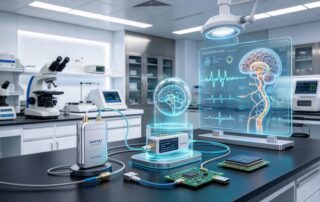
Implantable Neuromodulation Wire PI Insulation Implantable Neuromodulation Devices — Why Platinum-Iridium Wires Need Reliable Polyimide Insulation 1. Understanding Implantable Neuromodulation Devices Neuromodulation is a medical technology that uses electrical stimulation or other methods to influence nervous system activity. Common applications include: Spinal Cord Stimulation (SCS). Vagus Nerve Stimulation (VNS). Peripheral Nerve Stimulation (PNS). These systems typically include an implantable pulse generator, electrodes, conductive leads, and electrical connection structures. [...]

29 10, 2026

Ultra-Fine Insulated Wires in Cardiac Electrophysiology Catheters — The Role of Platinum-Iridium and Polyimide Coatings

2026-10-29T05:19:41+00:00

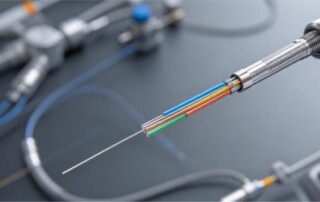
Cardiac Catheter Wire PI Coating Ultra-Fine Insulated Wires in Cardiac Electrophysiology Catheters — The Role of Platinum-Iridium and Polyimide Coatings 1. Why Do Cardiac Electrophysiology Catheters Need Miniature Wires? Cardiac electrophysiology technologies play an important role in diagnosing and treating cardiac arrhythmias. During electrophysiology procedures, physicians use specialized electrode catheters to record electrical activity inside the heart and identify abnormal electrical conduction pathways. Some electrophysiology catheters also incorporate [...]

28 10, 2026

Neural Stimulation and Recording Electrodes — How Polyimide Coatings on Platinum-Iridium Wires Support Precise Neural Signal Transmission

2026-10-29T05:35:33+00:00

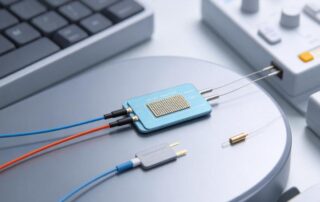
Neural Electrode PI Coating on Platinum-Iridium Wires Neural Stimulation and Recording Electrodes — How Polyimide Coatings on Platinum-Iridium Wires Support Precise Neural Signal Transmission 1. Why Do Neural Electrodes Require Ultra-Fine Platinum-Iridium Wires? With advances in neuroscience, brain-computer interfaces, and neuromodulation technologies, medical devices increasingly require miniature electrodes with reliable electrical performance and precise dimensions. Neural stimulation and recording electrodes serve as important interfaces between neural tissue and [...]

5 10, 2026

CYTOP Polymer Coatings: Planning Ultrasonic Spray Trials for Thin Films

2026-10-16T05:52:16+00:00

CYTOP Polymer Coatings: Planning Ultrasonic Spray Trials for Thin Films CYTOP is an amorphous fluoropolymer used in thin-film applications where properties such as transparency, electrical insulation, or water repellency are relevant. For a development team, the material name is only the starting point. The selected grade, solvent system, substrate, and thermal process determine whether a usable coating can be produced. Evaluating a polymer coater therefore requires a formulation-specific [...]

4 10, 2026

Hydrophobic Polymer Coatings: Developing Continuous Films Without Pinholes

2026-10-16T05:43:29+00:00

Hydrophobic Coating Process Development Hydrophobic Polymer Coatings: Developing Continuous Films Without Pinholes A hydrophobic coating is designed to resist wetting by water, but producing a reliable polymer film requires more than achieving a high initial contact angle. Manufacturers also need continuous coverage, adhesion, and stability under the expected use conditions. Small defects may matter even when most of the surface repels water. Ultrasonic spray coating offers a controllable [...]

3 10, 2026

Hydrophilic Polymer Coatings: Controlling Wetting, Swelling, and Film Coverage

2026-10-16T05:35:37+00:00

Hydrophilic Polymer Coatings: Controlling Wetting, Swelling, and Film Coverage Hydrophilic polymer coatings are intended to interact readily with water, but a water-attracting finished surface is not automatically easy to manufacture. The coating formulation must first wet the uncoated substrate, form a continuous layer, and survive drying and handling. Its behavior after hydration may differ substantially from its dry appearance. For medical polymer coatings and diagnostic surfaces, development should [...]

10 09, 2026

Hydrophilic & Lubricious Medical Catheter Coatings

2026-09-03T08:08:17+00:00

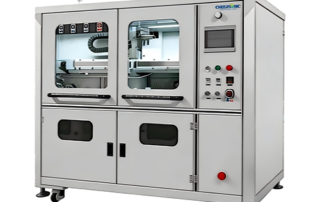
Hydrophilic & Lubricious Medical Catheter Coatings UMC3500 Ultrasonic Catheter Coating System for Hydrophilic & Lubricious Medical Catheter Coatings The UMC3500 Ultrasonic Catheter Coating System delivers precision and repeatable coating for catheter components. Powered by ultrasonic spray technology and equipped with a five-nozzle configuration, the system enables accurate control over coating thickness to match your intended applications. Conventional spraying often suffers from uneven coating, excessive material consumption and large [...]

5 09, 2026

Ultra-Thin 60D TPU Coating on PI Substrate

2026-09-03T07:27:05+00:00

Ultra-Thin 60D TPU Coating on PI Substrate Precision Ultrasonic Spraying for Ultra-Thin 60D TPU Coating on PI Substrate Ultrasonic spraying is a high-precision, non-contact coating solution ideal for applying ultra-thin, uniform thermoplastic polyurethane (TPU) layers on polyimide (PI) substrates. This advanced atomization coating process delivers consistent film thickness, minimal material waste, and zero mechanical damage to delicate PI base materials, making it suitable for precision industrial tubular component [...]

Go to Top