Email: market2@cheersonic.com
17 11, 2026

PTFE Coatings for Medical Guidewires: Low Friction, Precision and Coating Technologies

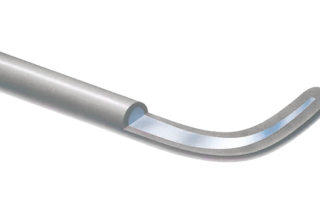
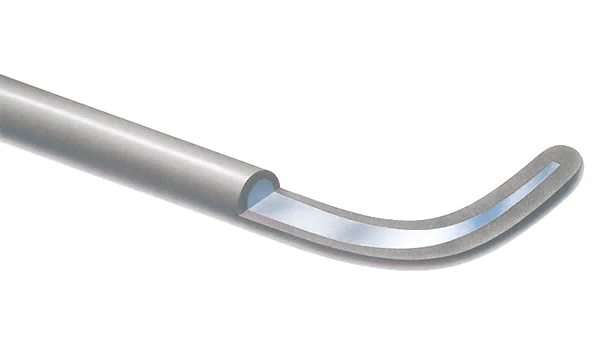
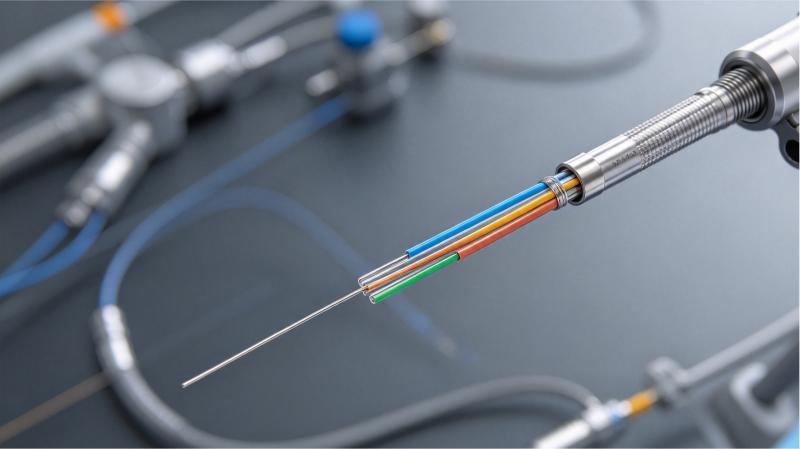
PTFE Coatings for Medical Guidewires: Low Friction, Precision and Coating Technologies1. Application BackgroundMedical guidewires are indispensable medical devices in vascular interventions, urological interventions, and other minimally invasive treatments. Guidewires typically need to pass through narrow, curved anatomical pathways to guide and support catheters, balloons, stent delivery systems, or other devices.During use, guidewires must balance pushability, torque transmission, flexibility, trackability, and surface lubricity. Surface friction affects not only the [...]


2 11, 2026

Minimally Invasive Medical Sensors — How Ultrasonic Polyimide Coating Supports Platinum-Iridium Wire Insulation

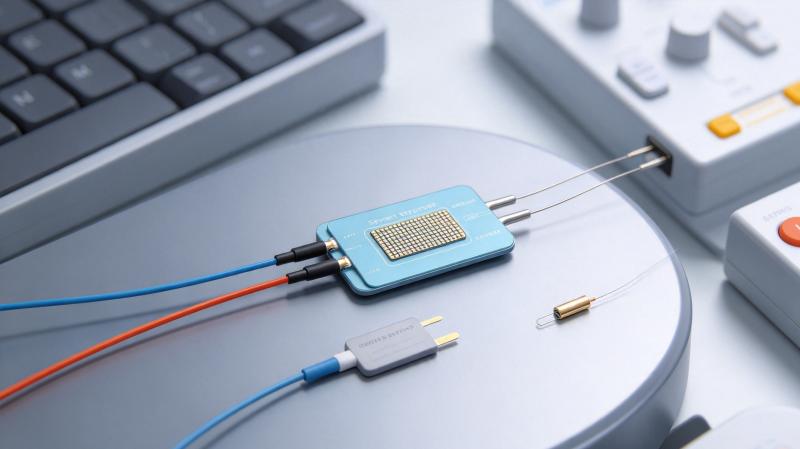
Minimally Invasive Medical Sensors — How Ultrasonic Polyimide Coating Supports Platinum-Iridium Wire Insulation 1. Why Do Minimally Invasive Medical Devices Need Miniature Sensors? Minimally invasive medical technologies use catheters, miniature probes, and other compact instruments to access specific areas of the human body for diagnosis, monitoring, or treatment. As medical devices become smaller and more multifunctional, some interventional instruments incorporate increasing numbers of miniature sensors and electronic components. [...]

1 11, 2026

Cardiac Pacemakers and Implantable Cardiac Devices — The Technical Value of Polyimide-Insulated Platinum-Iridium Wires

Implantable Cardiac Device Wire PI Coating Cardiac Pacemakers and Implantable Cardiac Devices — The Technical Value of Polyimide-Insulated Platinum-Iridium Wires 1. Why Do Implantable Cardiac Devices Require Reliable Electrical Connections? Cardiac implantable electronic devices (CIEDs) include pacemakers, implantable cardioverter-defibrillators, and other cardiac monitoring or therapeutic systems. These devices use electrodes, conductive leads, and electronic control systems to detect cardiac electrical activity or deliver electrical stimulation. Because some devices [...]

30 10, 2026

Implantable Neuromodulation Devices — Why Platinum-Iridium Wires Need Reliable Polyimide Insulation

Implantable Neuromodulation Wire PI Insulation Implantable Neuromodulation Devices — Why Platinum-Iridium Wires Need Reliable Polyimide Insulation 1. Understanding Implantable Neuromodulation Devices Neuromodulation is a medical technology that uses electrical stimulation or other methods to influence nervous system activity. Common applications include: Spinal Cord Stimulation (SCS). Vagus Nerve Stimulation (VNS). Peripheral Nerve Stimulation (PNS). These systems typically include an implantable pulse generator, electrodes, conductive leads, and electrical connection structures. [...]

30 10, 2026

How Do CGM Biosensors Work?

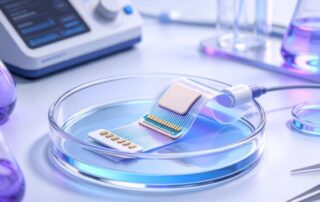
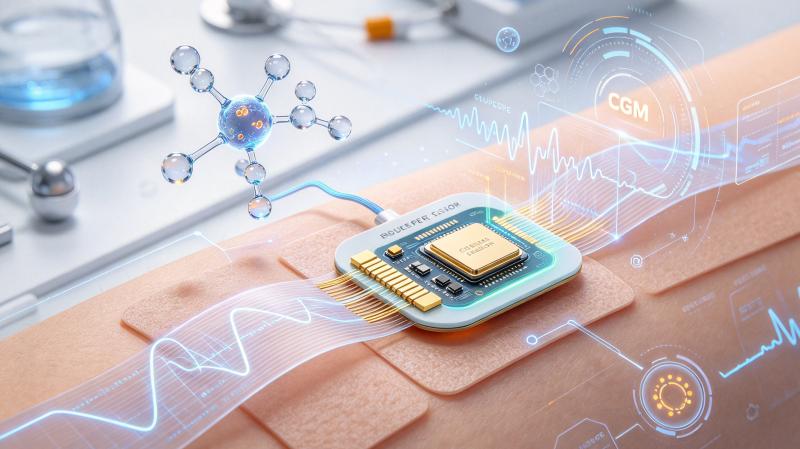
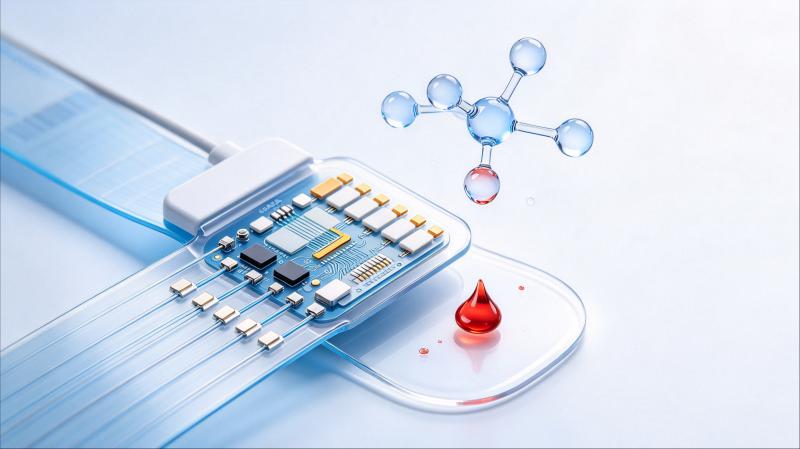
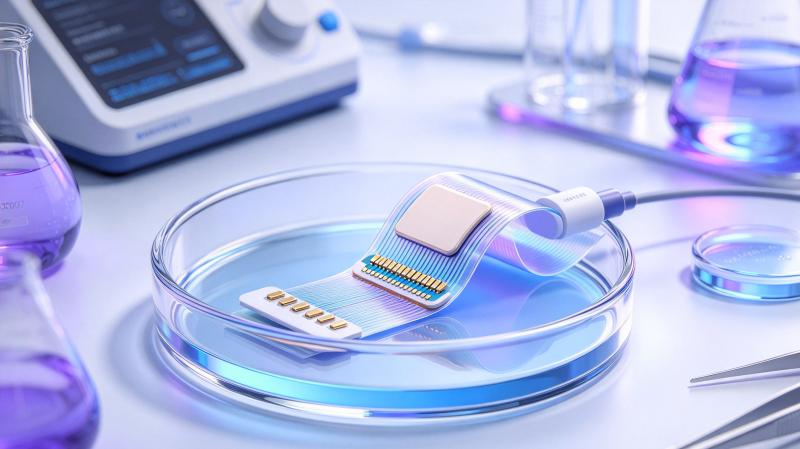
How Do CGM Biosensors Work? How Do CGM Biosensors Work? From Enzymatic Reactions and Electrochemical Signals to Sensor Lifetime Continuous glucose monitoring (CGM) is becoming an important technology in diabetes management. Unlike conventional intermittent blood glucose testing, CGM continuously or periodically collects glucose-related signals from interstitial fluid, helping users observe glucose trends and identify hyperglycemia, hypoglycemia, and post-meal fluctuations. For sensor developers, however, the central research question goes [...]

29 10, 2026

Ultra-Fine Insulated Wires in Cardiac Electrophysiology Catheters — The Role of Platinum-Iridium and Polyimide Coatings

Cardiac Catheter Wire PI Coating Ultra-Fine Insulated Wires in Cardiac Electrophysiology Catheters — The Role of Platinum-Iridium and Polyimide Coatings 1. Why Do Cardiac Electrophysiology Catheters Need Miniature Wires? Cardiac electrophysiology technologies play an important role in diagnosing and treating cardiac arrhythmias. During electrophysiology procedures, physicians use specialized electrode catheters to record electrical activity inside the heart and identify abnormal electrical conduction pathways. Some electrophysiology catheters also incorporate [...]

29 10, 2026

How Is Ultrasonic Spray Coating Used to Fabricate CGM Sensing Layers? From Preserving Enzyme Activity to Uniform Coating on PET Films

How Is Ultrasonic Spray Coating Used to Fabricate CGM Sensing Layers? From Preserving Enzyme Activity to Uniform Coating on PET Films In the development of continuous glucose monitoring (CGM) sensors, reliably depositing enzyme-containing solutions onto flexible substrates may seem like a basic task. In practice, however, it involves materials science, fluid dynamics, interfacial phenomena, and biochemistry. For electrochemical sensors that use glucose oxidase (GOx), the coating must do [...]

28 10, 2026

Neural Stimulation and Recording Electrodes — How Polyimide Coatings on Platinum-Iridium Wires Support Precise Neural Signal Transmission

Neural Electrode PI Coating on Platinum-Iridium Wires Neural Stimulation and Recording Electrodes — How Polyimide Coatings on Platinum-Iridium Wires Support Precise Neural Signal Transmission 1. Why Do Neural Electrodes Require Ultra-Fine Platinum-Iridium Wires? With advances in neuroscience, brain-computer interfaces, and neuromodulation technologies, medical devices increasingly require miniature electrodes with reliable electrical performance and precise dimensions. Neural stimulation and recording electrodes serve as important interfaces between neural tissue and [...]

23 10, 2026

What Is a CGM Sensing Layer? An R&D Perspective on Glucose Oxidase, Immobilization Techniques, and Thin-Film Structures

What Is a CGM Sensing Layer? What Is a CGM Sensing Layer? An R&D Perspective on Glucose Oxidase, Immobilization Techniques, and Thin-Film Structures When discussing continuous glucose monitoring (CGM), attention often focuses on sensor readings, accuracy, and wear duration. Inside a miniature electrochemical sensor, however, changes in glucose concentration are converted into measurable signals by a sensing system comprising electrodes, enzymes, biological interfaces, and functional membrane layers. The [...]

Go to Top