
Precision Coating: Boosting Safety of Implantable Devices
Interventional and implantable medical devices are core pillars of modern minimally invasive medicine, extensively applied in cardiovascular disease treatment, in vivo implant repair and innovative drug delivery systems. As clinical standards for medical safety, biocompatibility and therapeutic efficacy continue to rise, conventional coating processes can no longer meet the high-precision manufacturing demands of sophisticated medical devices, often suffering from uneven coating and uncontrollable drug dosage. In contrast, ultrasonic spraying technology stands out with its unique advantages of uniform coating deposition and precise dosage control, evolving into an indispensable core process for the mass and R&D manufacturing of high-performance interventional and implantable medical devices.
Ultrasonic spraying delivers targeted performance optimization for a full range of mainstream minimally invasive medical devices. As key equipment for cardiovascular intervention, drug-eluting coronary stents feature intricate microstructures, where traditional spraying easily causes drug accumulation and inconsistent coating thickness; ultrasonic spraying forms ultra-thin, uniform drug coatings to stabilize drug release, inhibit vascular restenosis and reduce thrombosis risks. For drug-eluting balloons adopted in PCI therapy, the technology achieves consistent and continuous drug coating on flexible thin-walled balloon structures, enabling efficient drug transfer to vascular lesions during dilation for reliable short-term intervention treatment. In addition, the technology prepares high-quality hydrophilic lubricating coatings on catheters, guide wires and medical tubes, lowering frictional resistance during surgery, reducing vascular damage and improving patient postoperative comfort. It also enables uniform loading of bioactive substances on implantable membranes to realize long-term controlled drug release and excellent in vivo biocompatibility, and achieves precise and consistent drug loading on densely arranged microneedle arrays, solving the bottleneck of uneven drug carrying in traditional transdermal drug delivery and boosting the clinical popularization of painless microneedle patch technology.
With the continuous iteration of minimally invasive and implantable medical devices, coating technology has become a decisive factor restricting product clinical performance and safety. Ultrasonic spraying effectively addresses the technical difficulties of coating tiny, precise and flexible medical devices, perfectly balancing production repeatability, process stability and biological safety. It provides solid technical and process support for the performance upgrade of cardiovascular interventional devices, the optimization of long-term implant materials and the innovative development of new drug delivery medical devices, driving the continuous progress of modern minimally invasive medical treatment technologies.
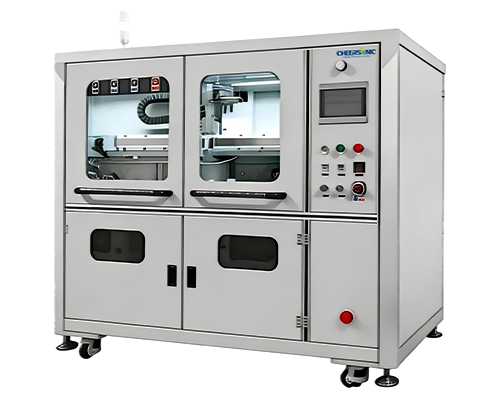
Hydrophilic & Lubricious Medical Catheter Coatings
Hydrophilic & Lubricious Medical Catheter Coatings UMC3500 Ultrasonic Catheter Coating [...]
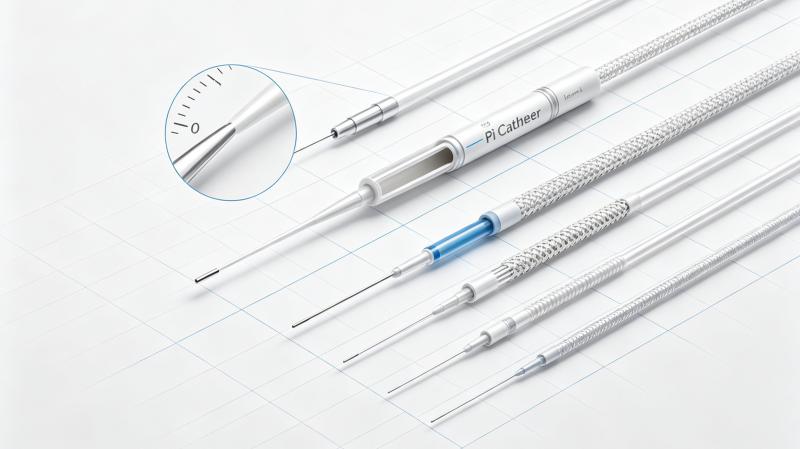
Ultra-Thin 60D TPU Coating on PI Substrate
Ultra-Thin 60D TPU Coating on PI Substrate Precision Ultrasonic Spraying [...]
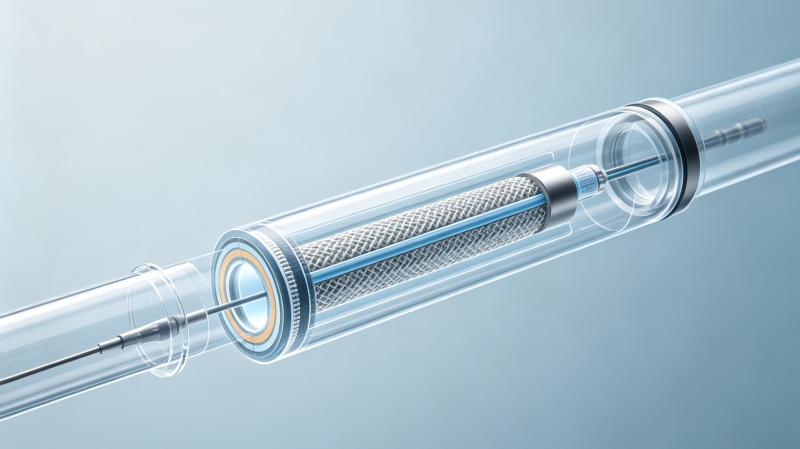
Pi Catheter TPU Coating Process
Pi Catheter TPU Coating Process Pi catheter TPU ultrasonic spraying [...]
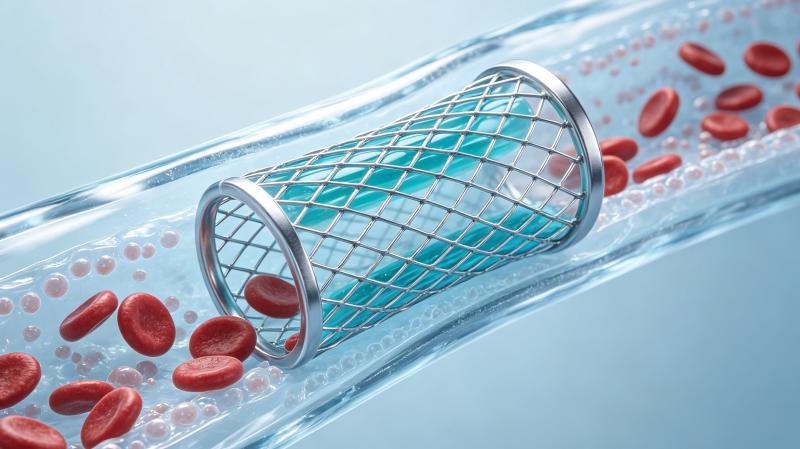
Drug‑Eluting Coronary Stent Coating: Core Technology Against Restenosis
Drug‑Eluting Coronary Stent Coating Drug‑Eluting Coronary Stent Coating: Core Technology [...]

Interventional and Implantable Device Technology
Interventional and Implantable Device Technology Explore how ultrasonic [...]
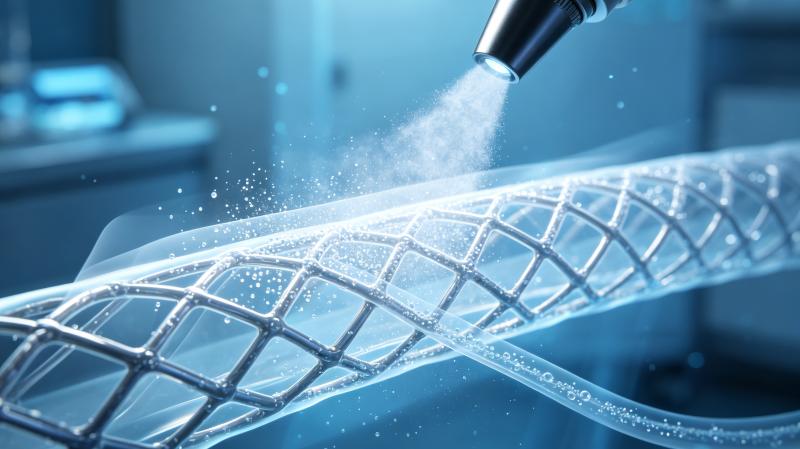
Cardiovascular Stent Coatings: Types, Functions & Ultrasonic Spray Coating Technology
Cardiovascular Stent Coatings Cardiovascular Stent Coatings: Types, Functions & Ultrasonic [...]
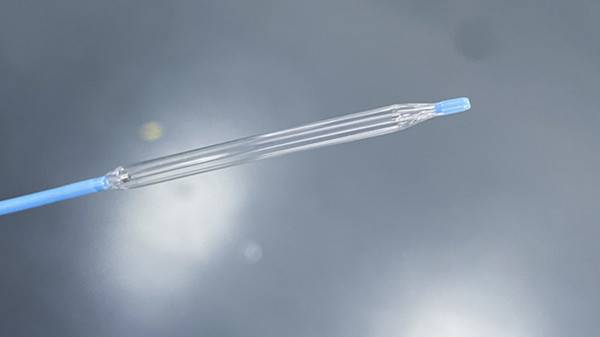
DEB Balloon Coating Process | Dip Coating vs Ultrasonic Coating
DEB Balloon Coating Process DEB Balloon Coating Process | Dip [...]
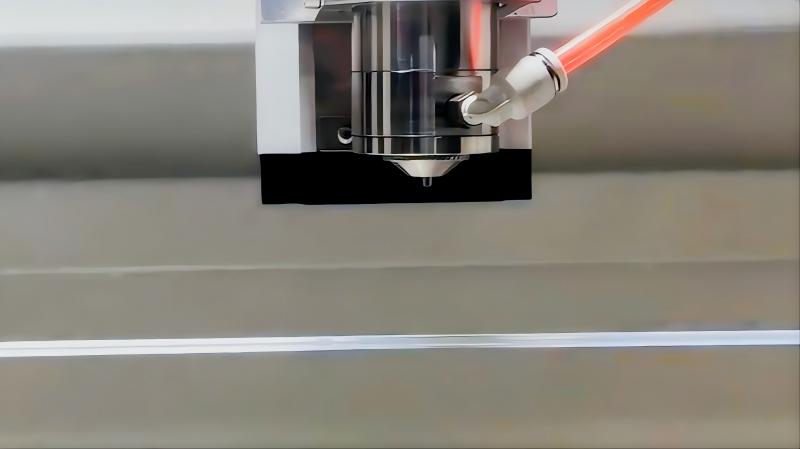
PTFE Coating for Medical Catheter
PTFE Coating for Medical Catheter Medical catheter coatings are functional [...]
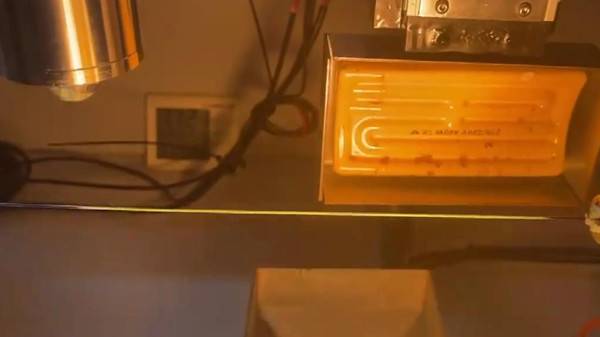
Medical Guidewire Surface Functional Coating | Ultrasonic Spray Coating Solution
Medical Guidewire Surface Functional Coating Medical Guidewire Surface Functional Coating [...]
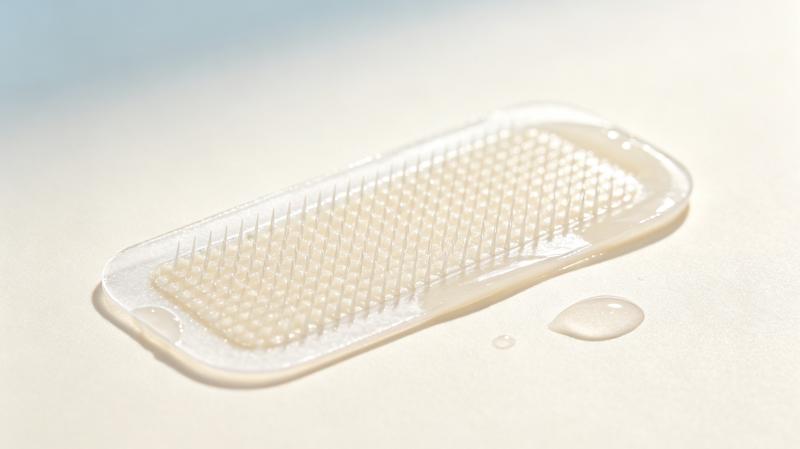
Microneedle Patch Coating
Microneedle Patch Coating Microneedle Patch Coating | Ultrasonic Spray Coating [...]
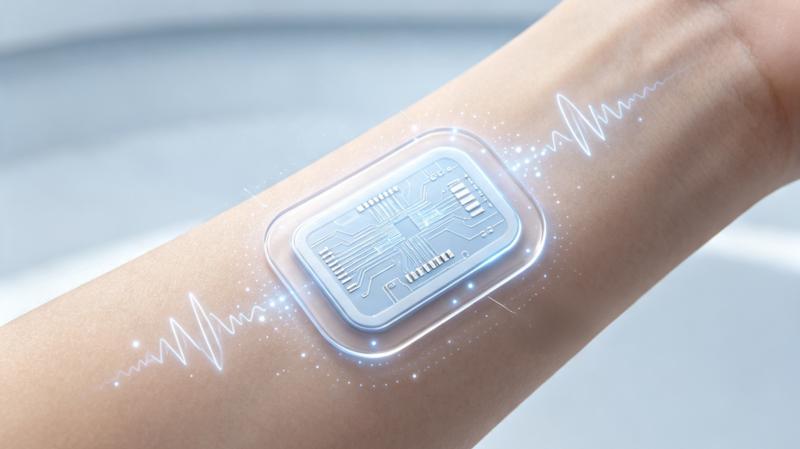
Non-invasive Blood Glucose Monitoring
Non-invasive Blood Glucose Monitoring 8 Technical Routes for Non-invasive Blood [...]
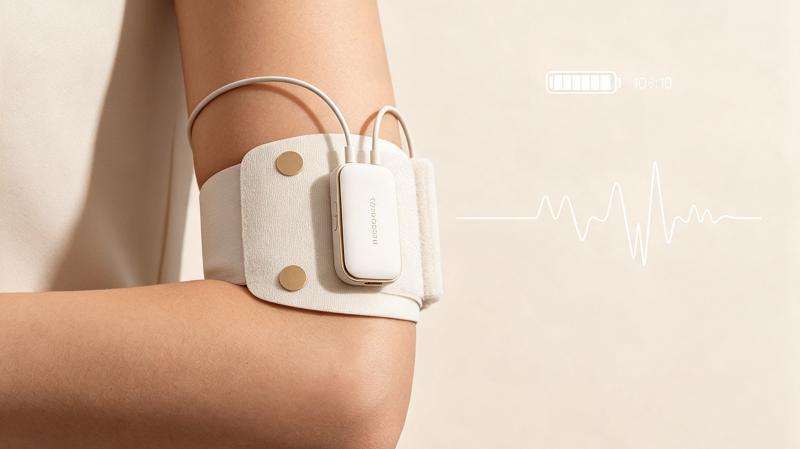
Trends in Wearable Medical Devices
Trends in Wearable Medical Devices [Exclusive] 5 major trends in [...]
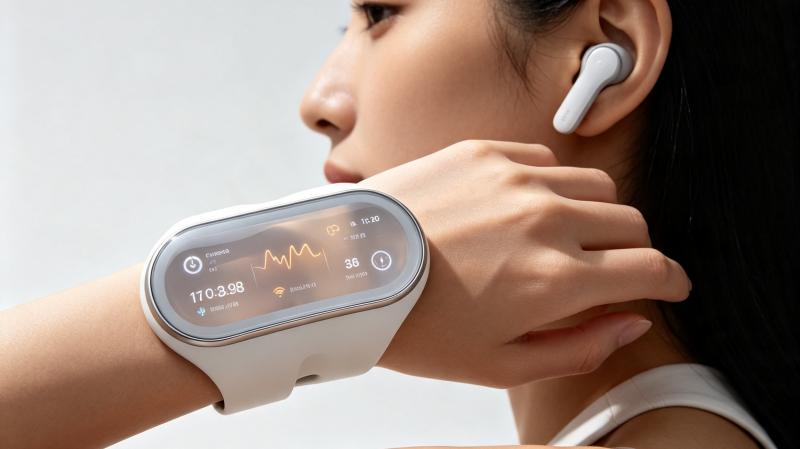
10 Kinds of Medical Wearable Devices
10 Kinds of Medical Wearable Devices [Exclusive] 10 FDA-approved medical [...]
