
Green Hydrogen Production: Precision Coating for PEM & AEM Electrolyzers
Under the promotion of the dual carbon target, green hydrogen has become an important carrier for industrial decarbonization and energy storage peak regulation with the advantage of zero carbon emissions. Green hydrogen mainly relies on renewable energy generation to drive electrolysis of water, decomposing water into hydrogen and oxygen. The electrolysis cell is the core equipment of the entire system, and the quality of the catalyst coating on the membrane electrode directly determines the efficiency, lifespan, and production cost of the hydrogen production equipment.
PEM and AEM electrolysis cells rely on catalysts to complete hydrogen and oxygen evolution electrochemical reactions, while precious metal catalysts such as platinum and iridium are expensive. The traditional scraping and pneumatic spraying processes are prone to problems such as catalyst particle agglomeration and uneven coating thickness, which not only cause a large amount of waste of precious metals, but also form reaction dead zones, increase electrolysis energy consumption, shorten the service life of electrolysis cells, and restrict the large-scale implementation of green hydrogen.
Ultrasonic spraying technology provides a new solution for the preparation of coatings for electrolytic cells. The equipment atomizes the catalyst slurry into micrometer sized uniform droplets through high-frequency ultrasonic vibration, and deposits them on the surface of the proton exchange membrane and porous transport layer in a low-pressure non-contact manner, constructing an ultra-thin porous catalytic layer. The ultrasonic atomization process can disperse the internal particle aggregation of the slurry, fully exposing the active sites of the catalyst, greatly improving material utilization, effectively reducing the consumption of precious metals, and lowering the cost of core components.
This process can accurately control the coating thickness, porosity, and catalyst loading, with excellent coating adhesion, and is suitable for the two mainstream technology routes of PEM proton exchange membrane and AEM anion exchange membrane. A uniform and stable catalytic coating can reduce electrolytic overpotential, optimize ion conduction and gas-liquid transport, improve the efficiency of electrolytic cells, and enhance the durability of components under strong corrosion conditions, thereby extending the overall operating time of the machine.
From laboratory research and development, small-scale and pilot testing to fully automated mass production lines, ultrasonic spraying can achieve seamless process migration. It can complete single-sided and double-sided spraying, as well as support differentiated coating of different formulas. As a key process in the green hydrogen industry chain, precision coating technology continues to drive cost reduction and efficiency improvement in electrolytic cells, helping green hydrogen move from demonstration projects to large-scale commercial applications.
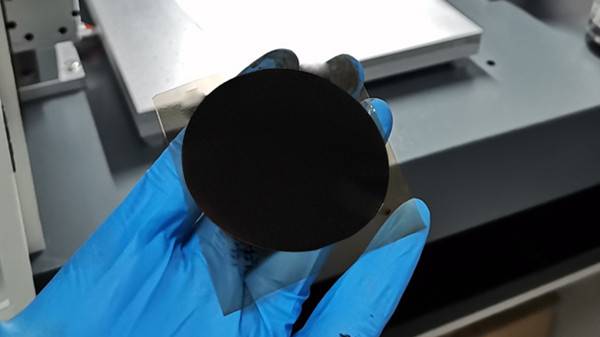
PEM Electrolytic Cell CCM Precision Deposition
PEM Electrolytic Cell CCM Precision Deposition High Temperature Ultrasonic Coating [...]
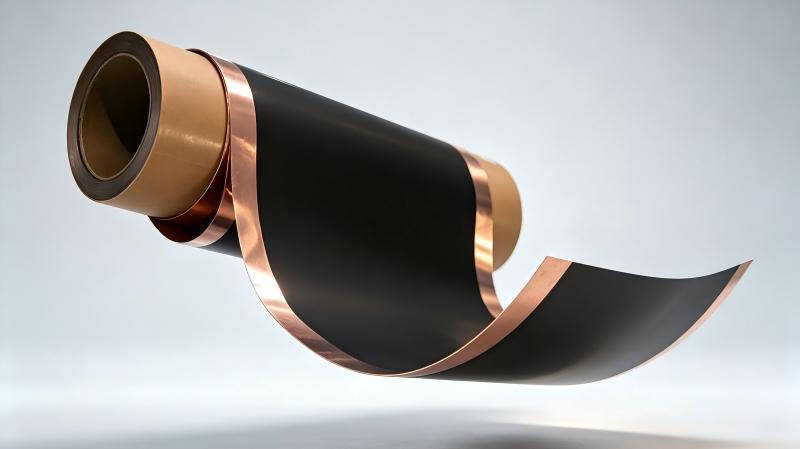
Spray Coating System for Large-Format Electrode Fabrication
Spray Coating System for Large-Format Electrode Fabrication Automated Ultrasonic Spray [...]
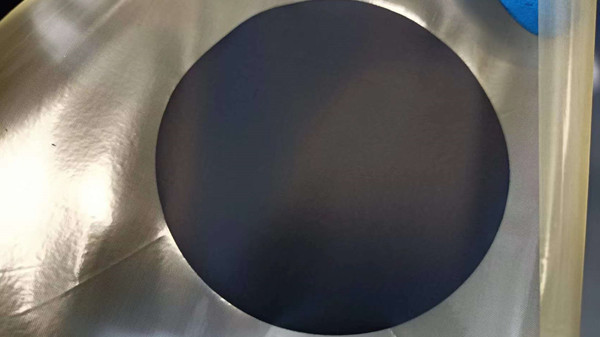
Ionomer Effect in Dry Cathode AEM Water Electrolysis
Ionomer Effect in Dry Cathode AEM Water Electrolysis Ionomer Effect [...]
CO₂-to-Methanol: Process and Catalyst Frontiers
CO₂-to-Methanol: Process and Catalyst Frontiers Carbon Footprint Classification and Low-Carbon [...]
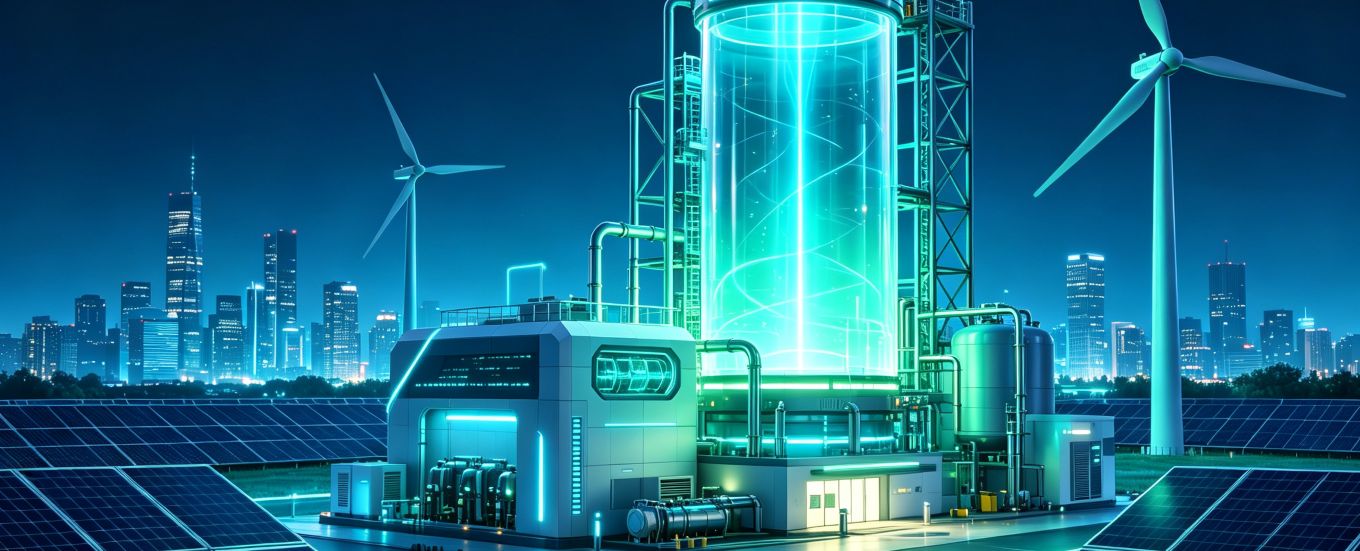
Green Hydrogen Production
Hydrogen Production Technology Upgrade your green hydrogen production [...]
Ultrasonic Coating System for PEMWE MEA Catalyst Coating
Ultrasonic Coating System for PEMWE MEA Catalyst Coating Our lab-scale [...]

FAQs of AEM Membrane Roll‑to‑Roll Ultrasonic Spray Coating System
FAQs of AEM Membrane Roll‑to‑Roll Ultrasonic Spray Coating System Uniform [...]
Energy Transition
Energy Transition Our portfolio of advanced alkaline water [...]
Electrochemical Solutions
Electrochemical Solutions We deliver innovative clean‑tech solutions [...]
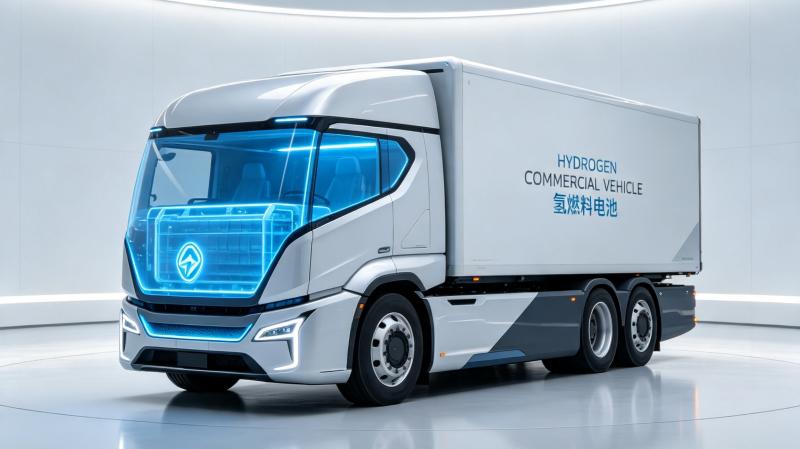
Hydrogen Fuel Cell Commercial Vehicle Problems
Hydrogen Fuel Cell Commercial Vehicle Problems Hydrogen Fuel Cell Commercial [...]
New Energy Heavy Truck Development
New Energy Heavy Truck Development In recent years, new energy [...]
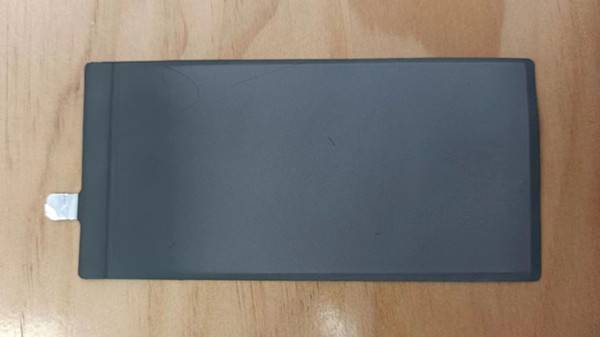
Ordered Membrane Electrode
Ordered Membrane Electrode Ordered Membrane Electrode - Ultrasonic Spraying Membrane [...]

Air-breathing PEM Fuel Cells
Air-breathing PEM Fuel Cells Newly developed portable electronics require power [...]
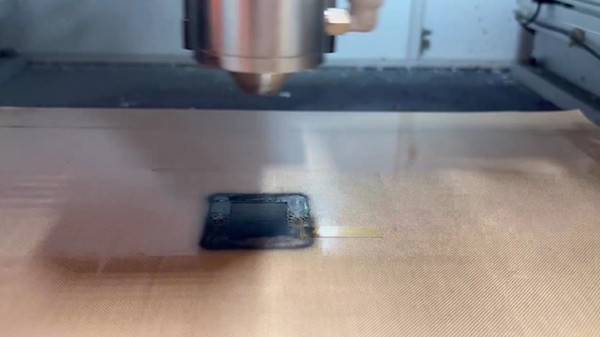
PEM Fuel Cell
PEM Fuel Cell Proton exchange membrane fuel cell (proton exchange [...]
Membrane Electrode Assembly Coating
Membrane Electrode Assembly Coating Membrane Electrode Assembly Coating - Ultrasonic [...]
DMFC Performance Optimization Program
DMFC Performance Optimization Program DMFC Performance Optimization Program - DMFC [...]