
Development of new catalysts for PEMFC
As a versatile energy generation technology to effectively meet the stringent environmental norms, polymer electrolyte membrane fuel cells (PEMFCs) have gained significant attentionin the last few decades. Technically, among various alternate energy sources, PEMFCs have been considered as ideal systemsto serve as power sources for both stationary and mobile applications. To improve the commercial viability and customer acceptance, there are wide spread scientific efforts to overcome hurdles such as cost and durability along with the continuous efforts to improve the performance characteristics.
Therefore,a breakthrough in the commercialization aspects of PEMFCs will depend largely on how effectively and when the persisting scientific as well as technical challenges mostly in materials can be addressed. Since the sluggish oxygen reduction kineticsin the cell reaction compels one to consider platinum or platinum alloys as the only practical choice, the issue of addressing thecost targets is emerging as a real stumbling block in the pathof PEMFC research and development efforts. The development of new catalysts is very important for PEMFC. Even though avariety of materials have been synthesized and tested for the oxygen reduction reaction (ORR), most of the systems fail tosimultaneously meet the requirements for cost, activity, and durability. Unless some miraculous innovation happens in thenear future, the incremental progress in the development of anon-Pt electrocatalyst for oxygen reduction points toward theinevitable dependency on Pt for this purpose at least for a fewmore decades. In this context, along with the strive fordeveloping effective non-Pt electrocatalysts, it is highly impor-tant to develop appropriate strategies to reduce platinum contentand maximize platinum utilization in the electrodes.
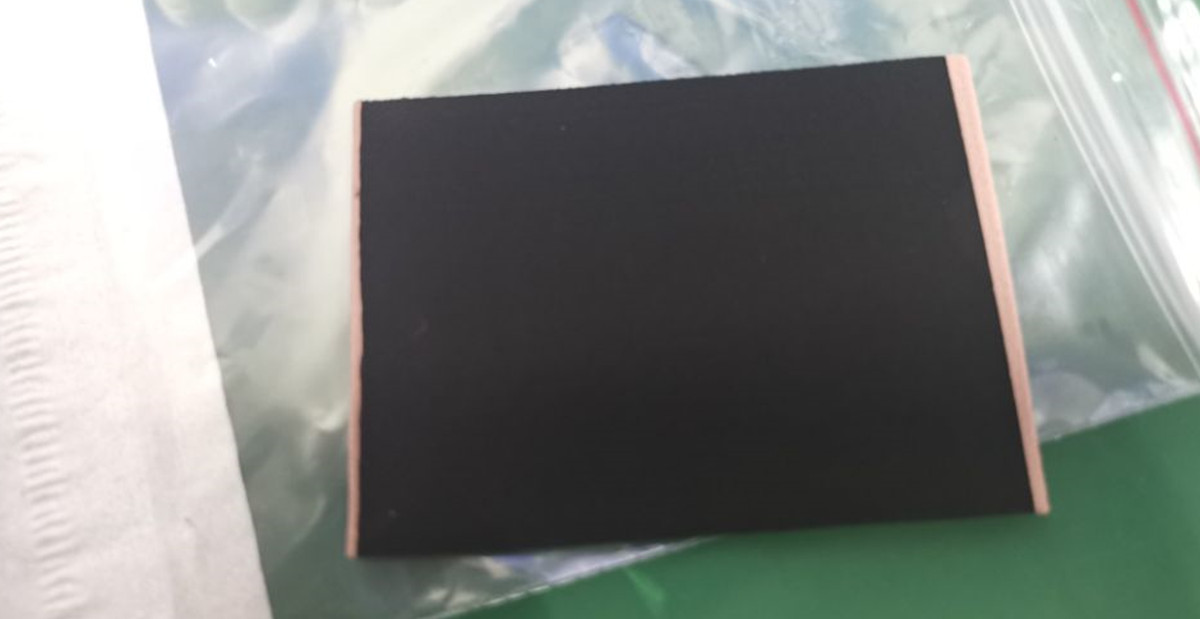
Fuel Cell
Ultrasonic fuel cell catalyst coating systems are uniquely suited for these challenging applications by creating highly uniform, repeatable, and durable coatings.
Application of Ultrasonic Spray Machine in Catalyst Layers of PEMFC Fuel Cells
The catalytic layer of proton exchange membrane fuel cells (PEMFC) is the core area where electrochemical reactions occur. The uniformity, pore structure, and platinum loading of the catalytic layer directly determine the power density, durability, and utilization of precious metals in the battery. Ultrasonic spraying has become an important process for the preparation of the catalytic layer.
Ultrasonic spraying relies on high-frequency ultrasonic vibration to atomize platinum based catalyst slurry into small and uniform micro droplets. Low pressure carrier gas transports the droplets to the surface of the proton exchange membrane, and the gentle deposition method does not wash away the membrane material, avoiding problems such as membrane damage and catalyst aggregation caused by high-pressure spraying. This process can accurately control the catalyst loading, achieve low platinum and ultra-low platinum thin layer coating, with uniform and controllable coating thickness, effectively reduce platinum precious metal waste, and improve material utilization.
A reasonable multi-level pore structure is formed inside the formed catalytic layer, which is conducive to the diffusion of reaction gases and the discharge of product water. At the same time, a continuous proton and electron conduction pathway is constructed to reduce the battery’s ohmic and mass transfer impedance, and improve output performance. It can adapt to various catalyst systems such as platinum carbon and platinum alloy, and can prepare anode and cathode catalytic layers for MEA membrane electrodes.
The entire spraying process is carried out at low temperatures, which will not damage the performance of the proton exchange membrane. The coating has excellent adhesion to the membrane substrate and is not easily detached under cyclic conditions. It not only supports laboratory small-scale sampling research and development, but also enables continuous mass production with roll to roll equipment, reducing performance differences between different batches of products, effectively improving the consistency of PEMFC membrane electrodes, and has important value in reducing fuel cell manufacturing costs and promoting commercial applications.
About Cheersonic
Cheersonic is the leading developer and manufacturer of ultrasonic coating systems for applying precise, thin film coatings to protect, strengthen or smooth surfaces on parts and components for the microelectronics/electronics, alternative energy, medical and industrial markets, including specialized glass applications in construction and automotive.
Our coating solutions are environmentally-friendly, efficient and highly reliable, and enable dramatic reductions in overspray, savings in raw material, water and energy usage and provide improved process repeatability, transfer efficiency, high uniformity and reduced emissions.
Chinese Website: Cheersonic Provides Professional Coating Solutions
