
Advantages of Ultrasonic Coating Technology in Fuel Cell Manufacturing
Ultrasonic spraying technology is well-suited to the stringent coating requirements of fuel cells, enabling the preparation of uniform, highly consistent, and durable catalyst coatings. From small-scale R&D experiments to large-scale production, this technology avoids nozzle clogging issues through its underlying atomization mechanism, facilitating precise control of coating performance indicators while significantly reducing slurry consumable consumption, minimizing equipment maintenance frequency, and shortening downtime.
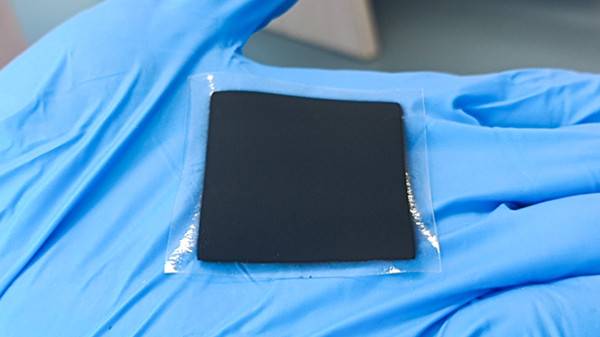
This technology can uniformly spray carbon-based catalyst ink onto fuel cell and electrolyzer substrates, such as perfluorosulfonic acid proton exchange membranes, without causing deformation of the membrane substrate during the film formation process. It can be used to coat carbon black slurries, polytetrafluoroethylene binders, ceramic slurries, platinum and other precious metal suspensions onto proton exchange membrane fuel cells, gas diffusion layers, electrodes, various electrolyte membranes, and solid oxide fuel cell substrates.
Ultrasonic spraying also performs well with catalyst slurries containing metals such as platinum, nickel, iridium, and ruthenium, as well as their oxides. It is widely used in the production of proton exchange membrane fuel cells, proton exchange membrane electrolyzers, direct methanol fuel cells, and solid oxide fuel cells, helping to achieve higher load capacities and electrochemical efficiencies. Many leading global fuel cell manufacturers use ultrasonic spraying to prepare catalyst films.
Existing research data shows that ultrasonic spraying can achieve approximately 90% platinum metal utilization in membrane electrode assembly.
The ultrasonic nozzle is not clogged by the catalyst slurry, enabling the output of coatings with controllable particle size and uniform stability. The flow rate supports everything from ultra-low pilot flow rates to large-scale production conditions. It is also suitable for spraying polymer slurries such as polytetrafluoroethylene (PTFE) onto the gas diffusion layer to control the hydrophilic/hydrophobic properties of the substrate under electrolysis conditions.
> Feedback from industry customers on actual applications: After adopting the ultrasonic spraying solution to upgrade the membrane electrode preparation process, the production line capacity was significantly improved, laying the technological foundation for the subsequent construction of a fully automated industrial-grade membrane electrode production line; after the process upgrade, the efficiency, capacity, processing accuracy and equipment reliability of membrane electrode preparation were all improved, and the output performance of the fuel cell itself did not decline.
Key Advantages of Ultrasonic Spraying for Fuel Cell Catalyst Coating:
- High utilization rate of precious metals in membrane electrode assembly (MEA) preparation, with platinum utilization reaching up to 90%, ensuring full utilization of precious metal materials.
- Excellent coating pore structure and strong mechanical durability, inhibiting catalyst layer cracking and peeling.
- Low overspray loss, reducing catalyst consumables consumption by up to 50%, saving expensive catalyst slurry.
- Clean and regular spray pattern, with flexible adjustment of spray width and pattern according to product requirements.
- High controllability of the spraying process, with stable and reproducible process results between batches.
- Atomizing nozzles are less prone to clogging, and the spray pattern does not shift over time.
- Supports intermittent and continuous modes, enabling stable atomization at extremely low flow rates.
- Continuous ultrasonic vibration breaks up slurry agglomerates, maintaining uniform slurry dispersion and further improving precious metal utilization efficiency.
- Multiple proton exchange membranes can be coated with small samples; only 10 ml of catalyst slurry is needed for multiple sample sets, making it ideal for laboratory research and development.
- The catalyst coating exhibits excellent adhesion to the proton exchange membrane substrate, making it suitable for fuel cell products operating under high vibration conditions, such as those found in automobiles.
The ultrasonic nozzle utilizes continuous ultrasonic vibration to break up agglomerated particles as the slurry flows through it, ensuring thorough dispersion of functional components. The catalyst layer prepared by ultrasonically spraying to disperse agglomerates exhibits better electrochemical performance and higher process consistency between different batches of coatings.

ULTRASONIC COATING EQUIPMENT SOLUTION
Ultrasonic Coating Equipment Solutions from R&D through high volume production. Choose a product to learn more.
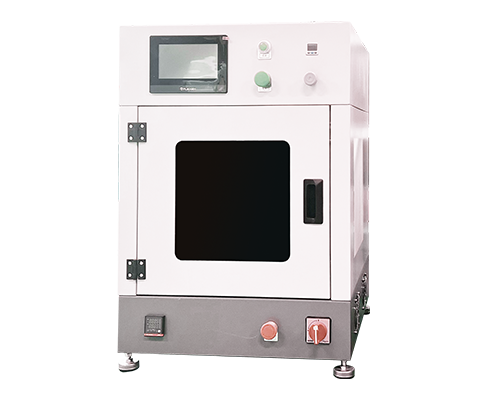
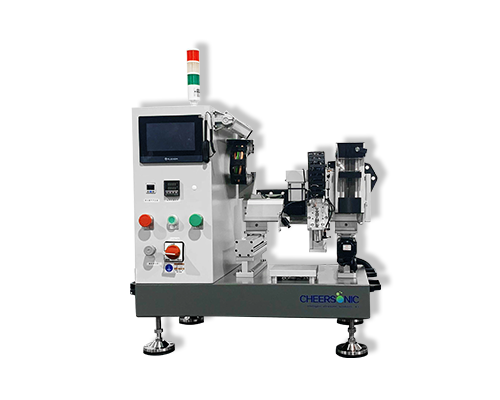
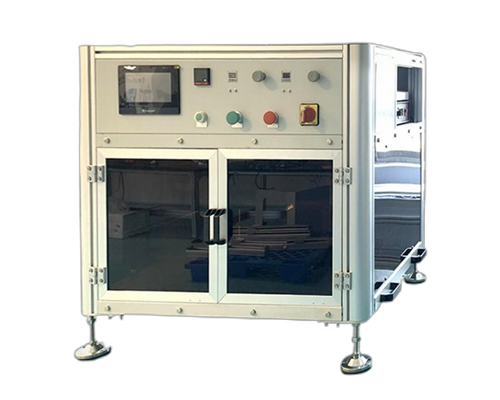
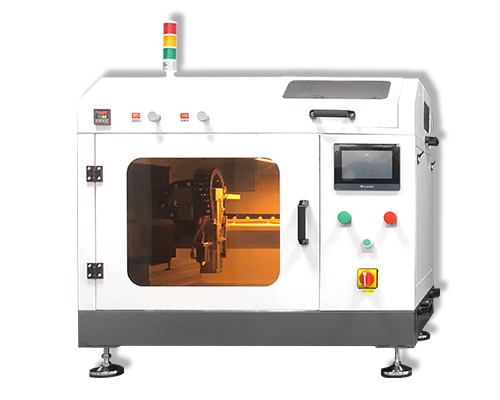
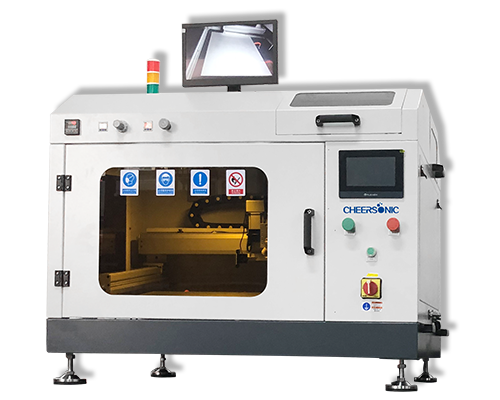
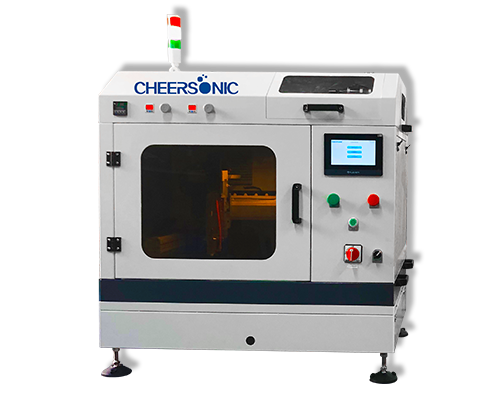
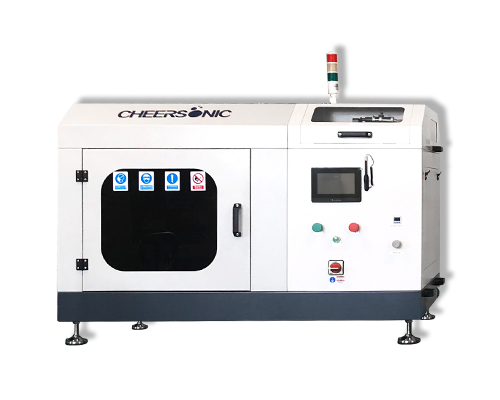
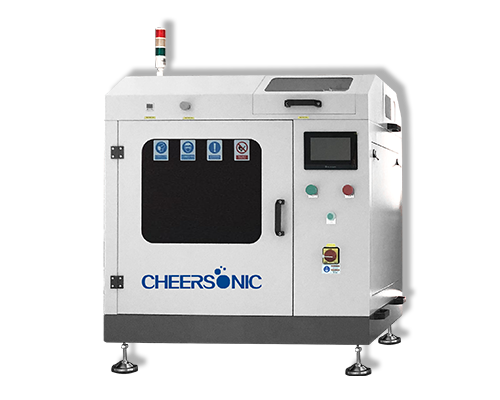
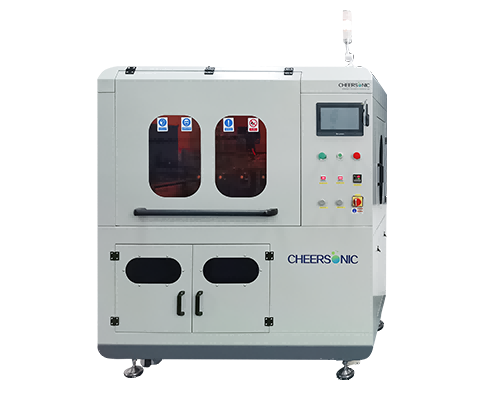
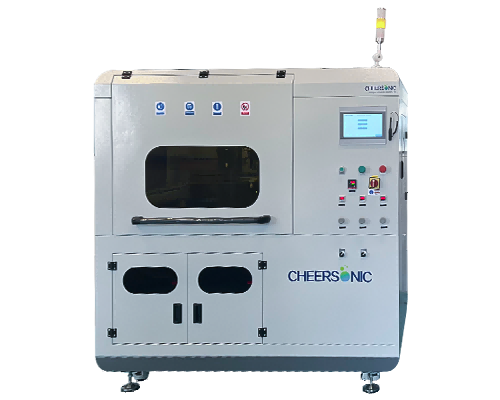
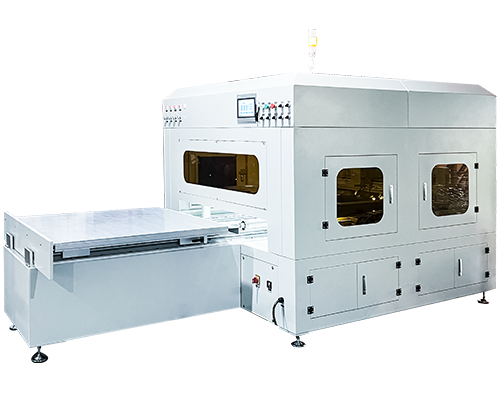
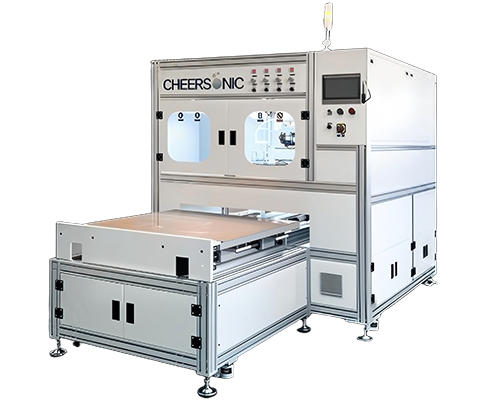
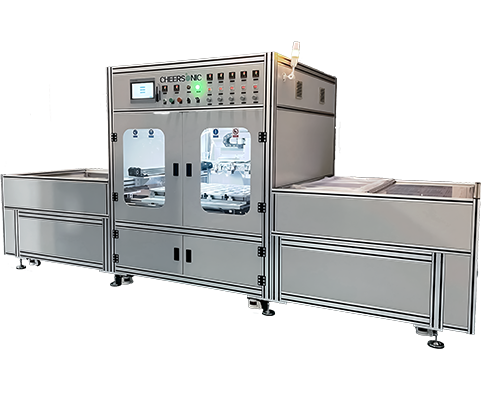
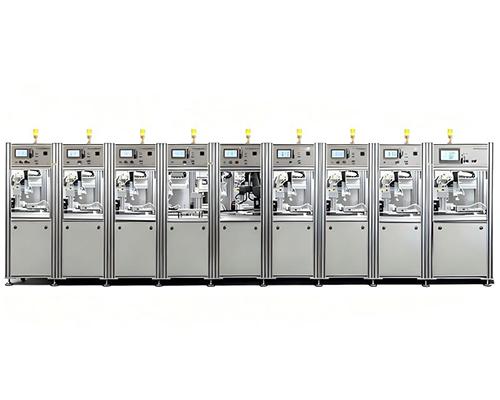
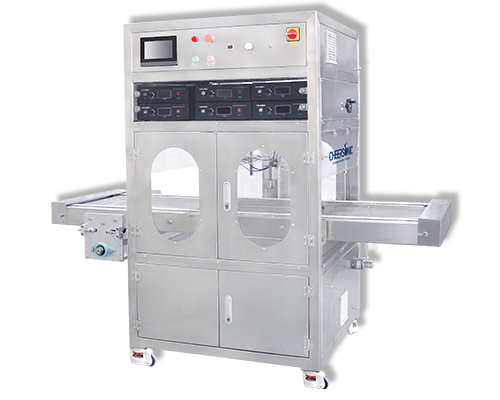
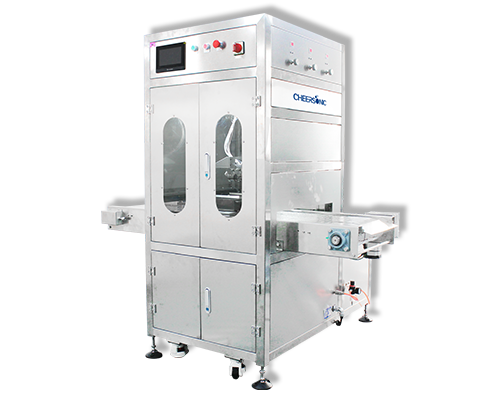
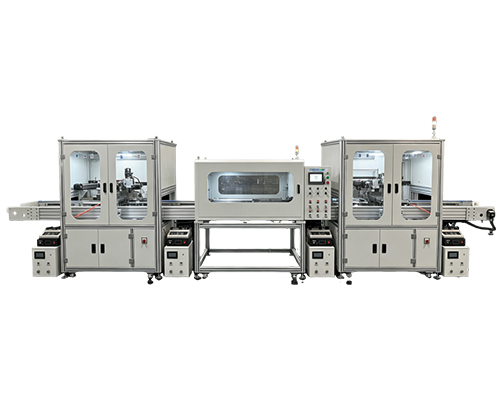
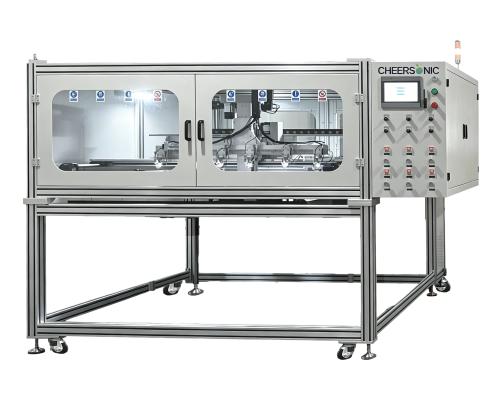
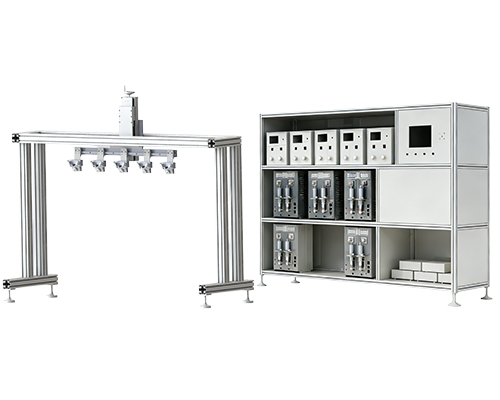
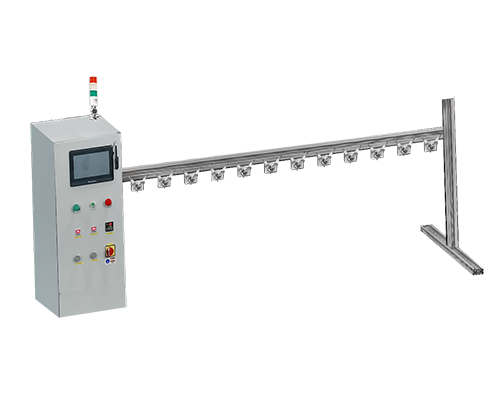
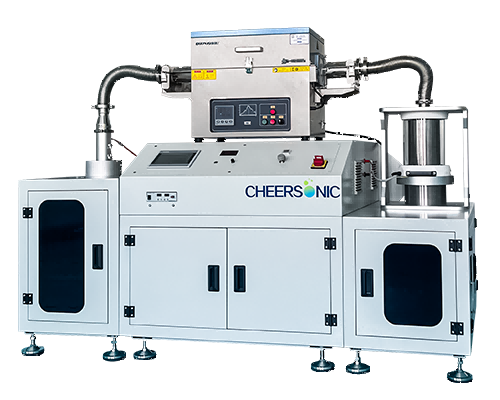
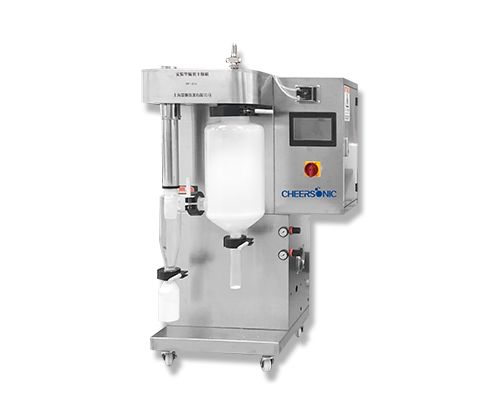
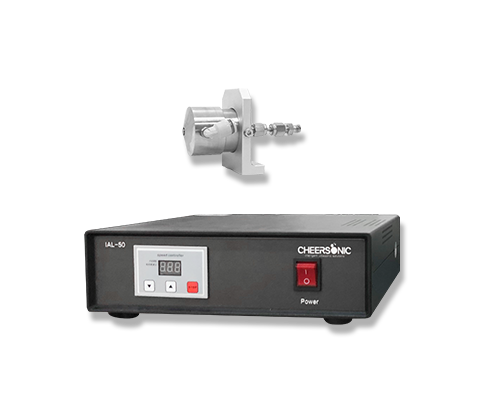
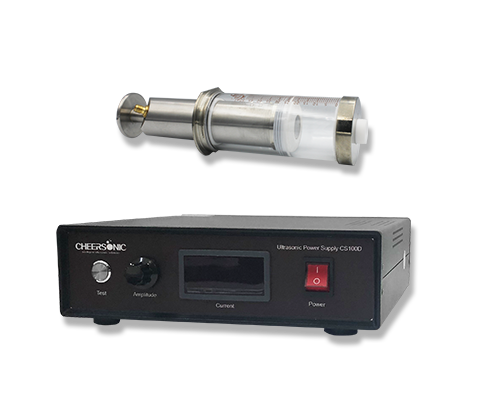
All of Cheersonic’s ultrasonic coating systems integrate Cheersonic ultrasonic nozzles, liquid delivery, and full system controls. Machines range from R&D tabletop systems, standalone fully enclosed programmable systems, and wide area continuous production inline systems.
The UAM series are general-purpose coating equipment, and the equipment parameters are standard parameters. If you want to know the equipment and parameters that are more suitable for your industry, you can click on the specific industries.
To reach our anytime via email please fill out the form below with your request and a company representative will reply to you. To find your local CHEERSONIC representative to connect directly click your region in the contact drop down menu.

Contact CHEERSONIC For immediate assistance please contact us the corporate headquarters during business hours at 6:00 am – 22:00 pm.
Tel: 0571-87910406
- Mobile: +86 15869049660
- Email: Market2@cheersonic.com
Add: 11-13 Chuangye Road, Changkou, Fuyang, Hangzhou, Zhejiang, China