Types and Coatings of Medical Balloons: Small Pioneers in Interventional Therapy
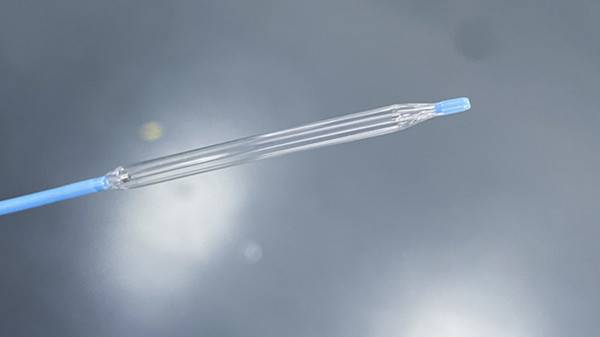
In minimally invasive interventional surgery, medical balloons are the core instruments for opening narrow blood vessels and unclogging human body cavities. It is compact in size and expands after being delivered to the lesion site through a catheter, completing a series of operations such as spreading, shaping, and drug administration. Different clinical scenarios correspond to different types of balloons, and surface coating is a key factor in determining surgical safety and treatment efficacy.
According to functional classification, medical balloons are mainly divided into categories such as ordinary expansion balloons, drug coated balloons, cutting balloons, high-pressure non compliant balloons, and semi compliant balloons. Conventional dilation balloons are commonly used for preoperative pre dilation, using pressure to open up narrow lesions and create pathways for stent implantation, and generally do not carry medication. The semi compliant balloon will continue to expand with increasing pressure, adapting to the natural shape of blood vessels, and is commonly used for routine coronary dilation; After non compliant high-pressure balloon dilation, the size deformation is minimal, making it suitable for lesions with severe calcification and hard texture, and strongly reshaping the vascular lumen. The surface of the cutting balloon is equipped with micro blades, which can open the hardened plaque during dilation to reduce the risk of vascular tearing. It is commonly used to treat severe calcified lesions. Drug coated balloons have been a popular direction in recent years, which release drugs into the blood vessel wall while expanding, inhibit excessive cell proliferation, and reduce the probability of postoperative restenosis.
Coating is the core barrier of balloon technology. Coatings are mainly divided into three categories: drug coatings, lubricating coatings, and developing coatings. Lubricating coatings are generally hydrophilic coatings that become smooth when exposed to water, reducing the friction between the balloon and the inner wall of the blood vessel during the pushing process, reducing the risk of scratching the blood vessel, and enhancing the ability of the instrument to pass through complex and tortuous blood vessels. The developing coating contains high-density developing substances, allowing doctors to accurately locate the position of the balloon under contrast imaging, ensuring surgical accuracy. The drug coating is composed of an active drug and a carrier matrix, with the carrier ensuring stable adhesion of the drug to the surface of the balloon and controllable release when expanding and contacting the blood vessel wall. Ultrasonic spraying can achieve uniform and thin coating, reduce drug aggregation, and improve coating consistency.
The coating process faces many difficulties: the balloon is a thin-walled polymer substrate that will stretch and deform during expansion, and the coating must have excellent ductility, without cracking or premature detachment during expansion; The thickness of the coating needs to be precisely controlled. If it is too thick, it is prone to scratching and falling off during transportation, while if it is too thin, it cannot achieve the effect of drug loading or lubrication; Biocompatibility is equally strict and cannot induce adverse reactions such as inflammation and thrombosis.
With the continuous development of interventional medicine, balloons are iterating towards lower damage and targeted drug delivery. The continuous innovation in category segmentation, coating materials, and preparation processes will continuously expand the application of medical balloons in multiple fields such as coronary arteries, peripheral blood vessels, digestive tract, respiratory tract, etc., bringing new choices for minimally invasive treatment to more patients.
Medical Balloons Technology
Medical Balloons Technology Common classifications of popular science [...]
To reach our anytime via email please fill out the form below with your request and a company representative will reply to you. To find your local CHEERSONIC representative to connect directly click your region in the contact drop down menu.
Contact CHEERSONIC For immediate assistance please contact us the corporate headquarters during business hours at 6:00 am – 22:00 pm.
Tel: 0571-87910406
- Mobile: +86 15869049660
- Email: Market2@cheersonic.com
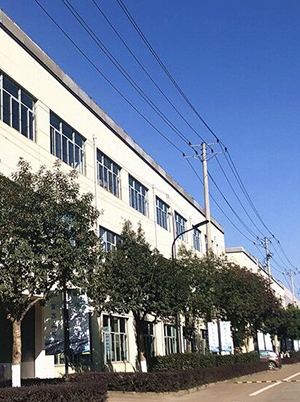
Add: 11-13 Chuangye Road, Changkou, Fuyang, Hangzhou, Zhejiang, China