
Glass Coating Functional Technology Introduction
Glass coating refers to the process of preparing a uniform and stable functional thin film coating on the surface of glass substrates of different specifications and materials. It is a core surface modification technology widely used in modern glass deep processing, optoelectronic manufacturing, architectural decoration and industrial manufacturing fields. By attaching ultra-thin functional films to the glass surface, the inherent single performance of raw glass is effectively optimized and upgraded, endowing the glass with diverse practical functions to adapt to complex and diverse application scenarios.
This functional coating can achieve multiple core performance upgrades through different material formulas and preparation processes. Hydrophobic and hydrophilic functions are the most common basic performances: hydrophobic coating forms a lotus leaf effect on the glass surface, making water droplets quickly slide off without residue, while hydrophilic coating enables water to spread evenly on the surface to avoid fogging, solving the defogging problem of glass in humid environments. In addition, the coating has excellent anti-fouling performance, which can effectively isolate dust, oil stains and impurities, prevent stains from adhering to the glass surface, and greatly reduce the difficulty of daily cleaning and maintenance.
At the same time, professional glass coatings can also realize high-value functional improvements. The conductive coating can form a stable conductive film layer on the glass surface, which is widely used in optoelectronic display and photovoltaic equipment. The anti-reflection and transmittance-enhancing coating can reduce light reflection loss, improve the light transmittance of glass, and optimize optical performance. Moreover, the compact film layer can form a protective barrier for the glass substrate, effectively resisting scratch wear, oxidation and environmental erosion, and prolonging the service life of glass products.
In industrial mass production, a variety of mature and efficient preparation processes are adopted according to product requirements. Common processes include spray coating, magnetron sputtering and roller coating. Among them, ultrasonic spray coating, as an upgraded precision process, can form an extremely uniform and fine coating with low material loss and high yield. Different processes are matched with different production accuracies, which can meet the production needs of civil architectural glass, industrial optical glass and high-precision electronic glass, realizing efficient and standardized batch preparation of functional glass coatings.
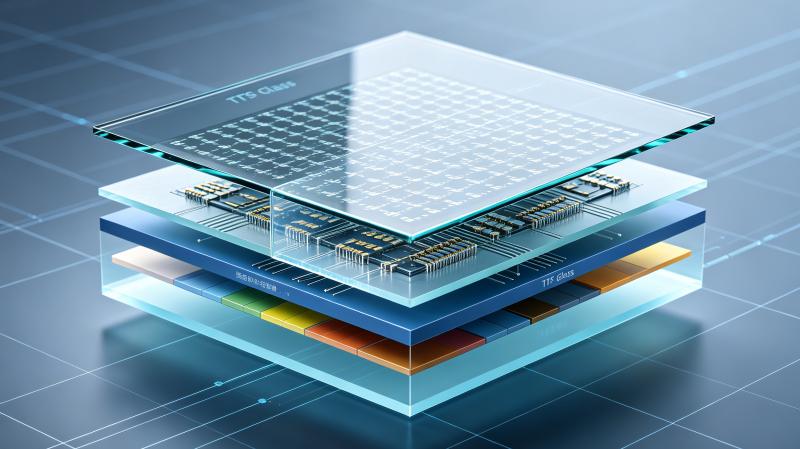
TFT Glass Coating Photoresist Process Solution
TFT Glass Coating Photoresist Process Solution TFT glass ultrasonic spraying [...]
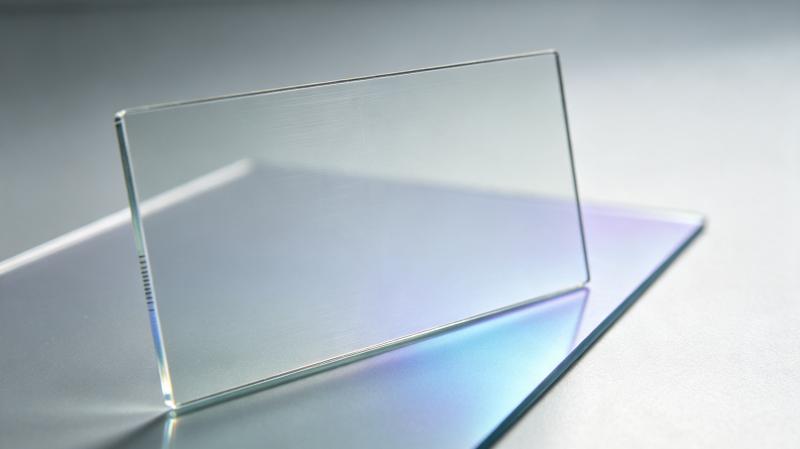
Applying Functional Coatings to Metal and Glass Substrates
Applying Functional Coatings to Metal and Glass Substrates Ultrasonic Spray [...]
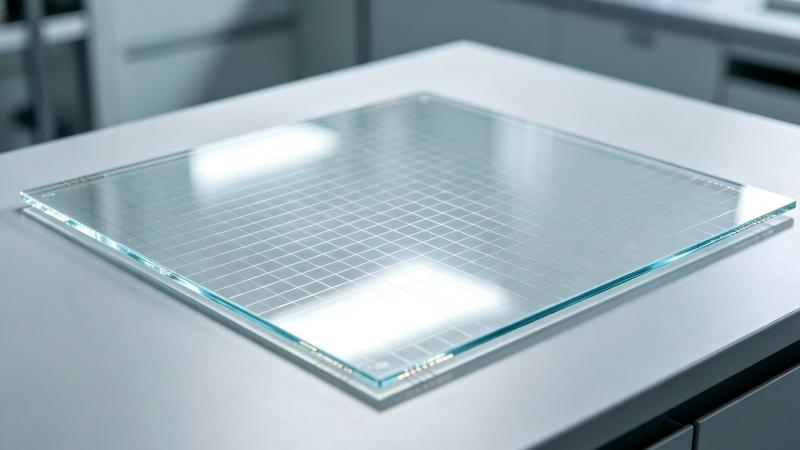
Glass Coating Technology
Glass Coating Technology Prepare a functional thin film [...]
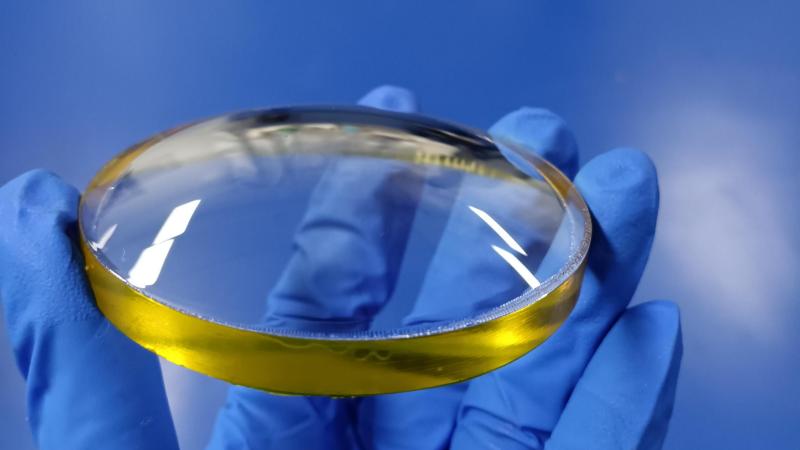
Coating Solutions for Functional Thin Films on Optical Lenses
Coating Solutions for Functional Thin Films on Optical Lenses Ultrasonic [...]
AR Coating
AR Coating AR Coating - Anti-Reflection - Ultrasonic Spraying AR [...]
Ultrasonic Spraying Glass Substrate
Ultrasonic Spraying Glass Substrate Today, with the rapid development of [...]
FTO Coating Application
FTO Coating Application Ultrasonic Spray Pyrolysis for FTO Coating Application. [...]
Spray Coating Concave Convex Crystal of Binoculars
Spray Coating Concave Convex Crystal of Binoculars Spray Coating Concave [...]
Ultrasonic Spray of Photoresist for Glass
Ultrasonic Spray of Photoresist for Glass Ultrasonic Spray of Photoresist [...]
UNC8000-2 Ultrasonic Glass Coating Machine
UNC8000-2 Ultrasonic Glass Coating Machine UNC8000-2 Ultrasonic Glass [...]
UAM9000W Inline Ultrasonic Spray System
UAM9000W Inline Ultrasonic Spray System UAM9000W Inline Ultrasonic [...]
Solar Glass Coatings
Solar Glass Coatings Cheersonic will focus on cost-effective vapor deposition [...]
Coating Equipment For Glass
Coating Equipment For Glass Coating Equipment For Glass - Ultrasonic [...]
Automatic Spraying Machine For Glass
Automatic Spraying Machine For Glass Automatic Spraying Machine For Glass [...]
Ultrasonic Spray Glass Test Video
Ultrasonic Spray Glass Test Video Ultrasonic Spray Glass Test Video [...]
Oleophobic Coating Spray
Oleophobic Coating Spray Oleophobic Coating Spray - Ultrasonic Spray and [...]
