
Knowledge-to-Application Path
What Is Electrochemistry?
Understand electrochemical reactions and the conversion between chemical and electrical energy.
- Electrochemical reactions
- Anode & cathode
- Electrolytes
- Electrochemical cells
Oxidation & Reduction
Learn the core redox processes governing batteries, fuel cells and electrolyzers.
- Oxidation
- Reduction
- Electron transfer
- Redox reactions
Oxidation & Reduction
Learn the core redox processes governing batteries, fuel cells and electrolyzers.
- Oxidation
- Reduction
- Electron transfer
- Redox reactions
Electrodes
- Anode
- Cathode
- Current collector
- Gas diffusion electrode
- Porous electrode
Catalysts
- Platinum
- Iridium
- Ruthenium
- Nickel / cobalt / iron
- Carbon-based catalysts
Catalyst Inks
- Ink formulation
- Dispersion
- Viscosity
- Stability
- Sprayability
Electrode Preparation
- Substrate preparation
- Catalyst ink preparation
- Coating
- Drying
- Heat treatment
Ultrasonic Spray Coating
- Fine atomization
- Uniform catalyst deposition
- Precise coating thickness
- Low overspray
- High material utilization
Coating Structures
- GDE coating
- MEA coating
- CCM coating
- Membrane coating
- Porous substrate coating
PEM Fuel Cells
MEA, CCM, GDL, Pt catalyst layers
PEM Water Electrolysis
Iridium, platinum, membrane
electrode assemblies
CO₂ Electrolysis
GDEs, catalyst inks, CO₂ reduction
electrodes
Batteries
Li-ion, Na-ion, solid-state electrode
coatings
Supercapacitors
Carbon materials and conductive
layers
Electrochemical Sensors
Biosensors, gas sensors, functional
electrodes
Hydrogen Production
Electrolyzer electrodes and catalyst
coatings
H₂O₂ Production
Electrode preparation and catalytic
layers
Electrochemical Performance
- Current density
- Voltage
- Overpotential
- Faradaic efficiency
- Tafel slope
Electrode Properties
- Electrochemical surface area
- Porosity
- Conductivity
- Ionic conductivity
- Mass transport
Coating Control
- Catalyst loading
- Coating thickness
- Ink viscosity
- Spray rate
- Drying conditions
Test Your Electrochemical Coating Process
Send us your substrate, catalyst ink or coating requirements for ultrasonic spray coating evaluation.
NEWS
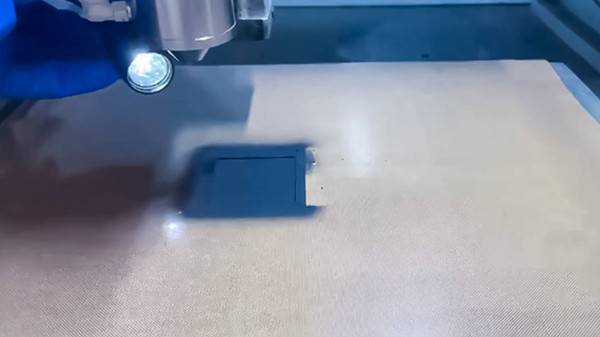
Ultrasonic Spray Coating for CO₂ Electrolysis
Explore ultrasonic spray coating for CO₂ electrolysis, including gas diffusion electrodes, catalyst inks, wetting and selectivity testing.
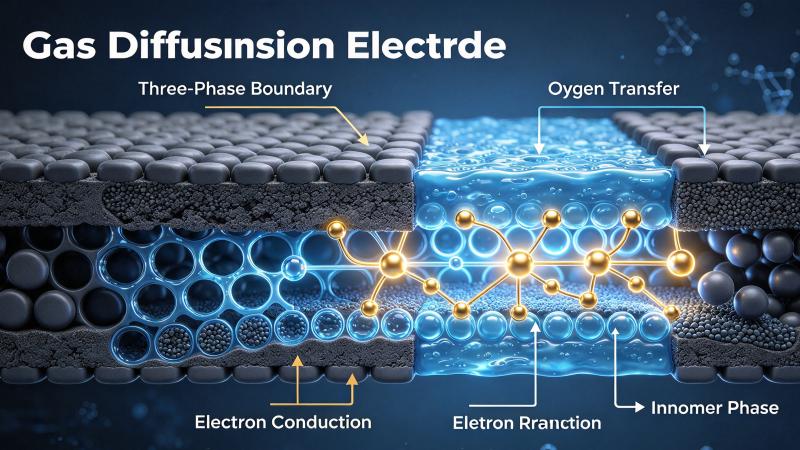
What Is a Gas Diffusion Electrode?
A gas diffusion electrode (GDE) is a porous electrode designed to deliver gaseous reactants to electrochemically active sites while conducting electrons and supporting ionic contact. GDEs are used in fuel cells, CO₂ electrolysis, and other gas-fed electrochemical systems where conventional liquid-phase transport may limit reactant delivery.

What Is a Membrane Electrode Assembly?
A membrane electrode assembly (MEA) is a layered electrochemical component built around an ion-conducting membrane and functional electrode layers. In proton-exchange-membrane fuel cells and electrolyzers, the MEA brings together the membrane, anode catalyst layer, and cathode catalyst layer; gas-diffusion or porous transport layers are often adjacent components in the assembled cell.
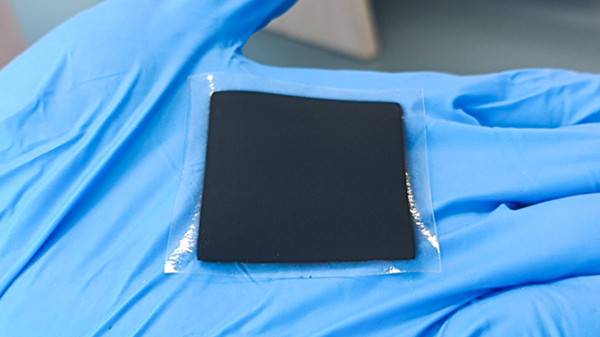
What Is a Catalyst Coated Membrane?
A catalyst-coated membrane (CCM) is an ion-conducting membrane with catalyst layers deposited directly onto one or both sides. It is widely studied in proton-exchange-membrane fuel cells and water electrolyzers because the direct membrane–catalyst interface can support short ionic pathways and compact assembly. Its performance depends on membrane integrity, catalyst-layer structure, and the quality of each interface.
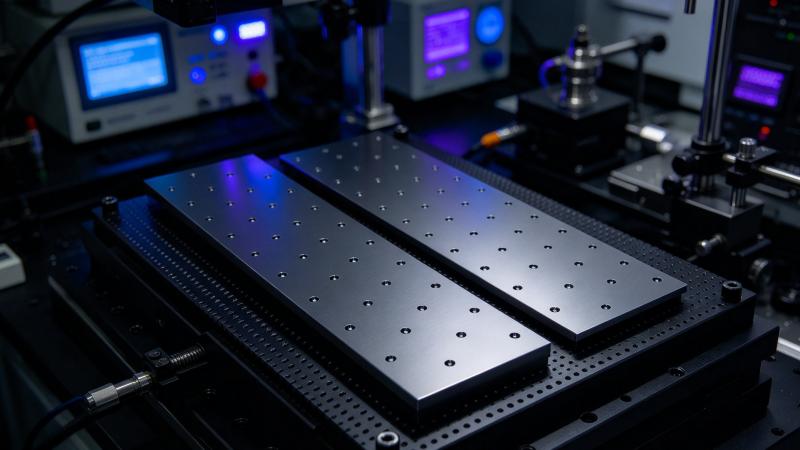
What Is a Catalyst Layer?
A catalyst layer is a thin, engineered region containing catalytic material and supporting components that enable electrochemical reactions. It is commonly integrated into fuel-cell electrodes, water-electrolysis electrodes, and other electrochemical devices. Its performance depends on more than catalyst chemistry: thickness, porosity, ionomer distribution, electrical contact, wetting, and adhesion also shape the accessible reaction area.
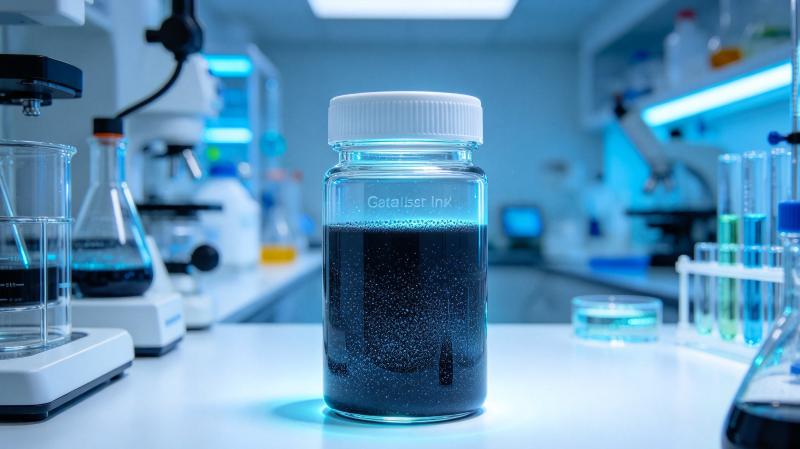
What Is a Catalyst Ink?
A catalyst ink is a formulated suspension or dispersion containing catalytic material and a liquid medium, often with ion-conducting polymer, binder, or other additives. It is applied to a substrate to create a catalyst layer for electrochemical devices and research electrodes. Ink formulation strongly affects deposition, drying, microstructure, adhesion, and ultimately the measured electrode response.
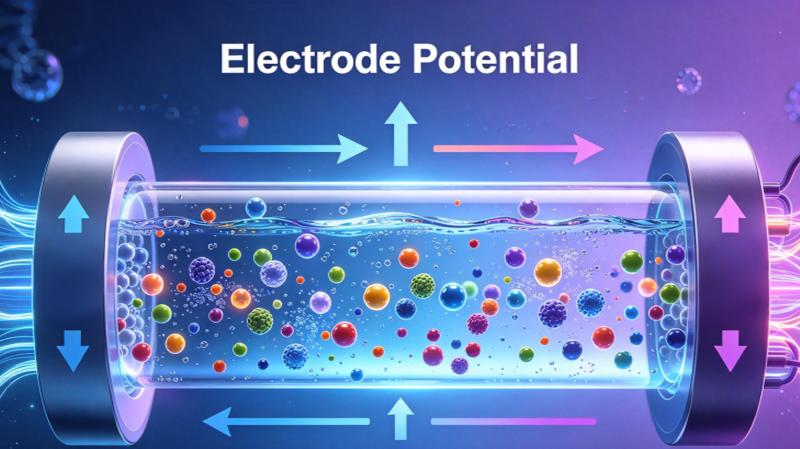
What Is Faraday’s Law?
Faraday's law connects the amount of chemical change at an electrode with the total electric charge passed through an electrochemical system. It is used to estimate deposited mass, gas production, reactant conversion, and current efficiency. In research and process development, it helps connect electrical operating conditions to expected material production.
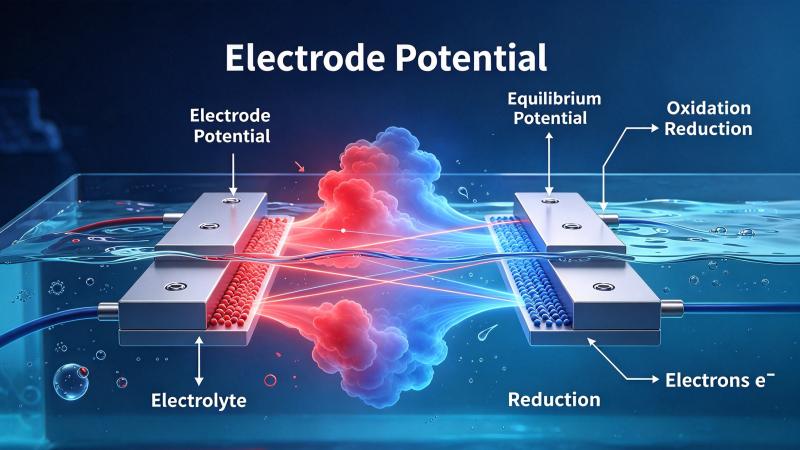
What Is the Nernst Equation?
The Nernst equation relates an electrode's equilibrium potential to the standard potential and the activities or concentrations of the chemical species involved. It explains why measured electrochemical potential changes with concentration, temperature, and reaction composition. For laboratory researchers, it provides a bridge between thermodynamics and the conditions present in a real electrochemical cell.
Ultrasonic Catalyst Coating for PEMWE
Learn how ultrasonic catalyst coating supports PEMWE electrode research through controlled deposition, ink preparation and membrane-compatible drying.
What Is a PEMWE MEA?
Explore PEMWE MEA structure, catalyst-coated membranes, porous transport layers and electrochemical testing.
What Is PEM Water Electrolysis?
Understand PEM water electrolysis, membrane electrode assemblies, oxygen and hydrogen evolution, and catalyst-coating considerations.
Ultrasonic Spray Coating for PEMFC
Learn ultrasonic spray coating for PEMFC catalyst layers, including membrane handling, ink delivery, loading and repeatability.
