Molecular Structure Design of Polyimide (PI)
Molecular Structure Design of Polyimide (PI): Analysis of Structure-Property Relationships and Modification Strategies for PI Materials
Polyimide has become an indispensable high-performance polymer in fields such as flexible electronics, advanced packaging, and high-frequency communication, primarily due to the exceptional designability of its molecular structure. Its fundamental molecular backbone is formed through the polymerization of dianhydride and diamine monomers; the five-membered imide rings within the main chain endow the material with essential heat resistance, electrical insulation, and chemical stability. By designing the molecular structure—specifically the main chain, side chains, and segmental configurations—one can precisely tune macroscopic properties such as thermal, optical, electrical, and mechanical characteristics to meet the diverse requirements of various applications. This approach constitutes the core logic underlying the research and development of high-end polyimide materials.
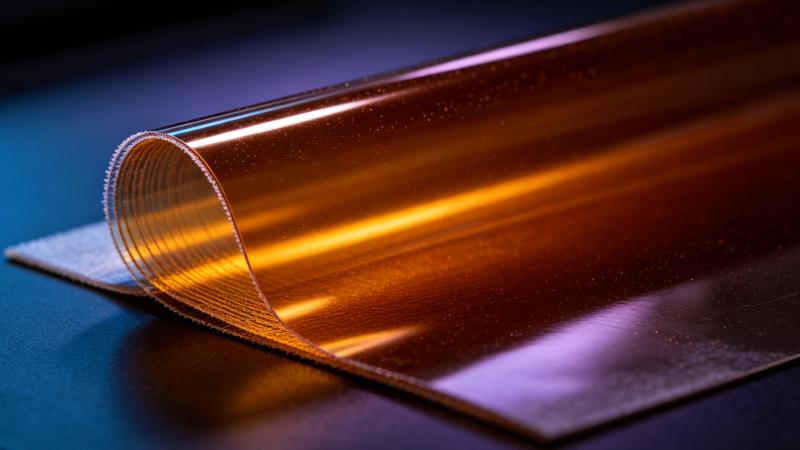
In conventional wholly aromatic polyimides, the main chain consists of alternating rigid aromatic rings and imide rings; the molecular chains tend to stack tightly, resulting in strong intermolecular interactions. While this structure yields superior thermal stability and mechanical strength, it also entails inherent drawbacks: charge-transfer complexation effects impart a yellowish-brown hue to the films, making them unsuitable for optical devices; a high density of polar groups leads to excessive dielectric loss at high frequencies; and the excessive rigidity of certain systems renders them insoluble and infusible, creating significant processing challenges. These limitations are difficult to overcome through post-processing alone; instead, structural modification must be initiated at the molecular level to balance the trade-offs between various properties.
There are several mainstream approaches to polyimide molecular structure design. The first involves modulating the main-chain backbone by selecting different monomers to alter its composition. Incorporating fully rigid aromatic units enhances the glass transition temperature, thermal decomposition temperature, and modulus, making the material suitable for harsh, high-temperature environments. Conversely, embedding flexible linking groups—such as ether bonds—increases the rotational freedom of molecular chains, thereby improving film toughness and processability, albeit at the cost of some heat resistance. Another key strategy for producing highly transparent polyimide involves replacing some aromatic units with alicyclic structures to create a twisted, non-coplanar main chain; this disrupts tight chain packing and attenuates charge-transfer effects.
A second approach involves side-chain modification, specifically by grafting functional side groups onto the molecular backbone. Incorporating fluorine-containing groups can reduce molecular molar polarization—thereby achieving low dielectric constants and low dielectric loss—while simultaneously improving resin solubility. Introducing bulky, sterically hindered side groups increases molecular free volume and hinders the close packing of chain segments, balancing optical transparency with processability. Furthermore, copolymerization—involving two or more monomers—allows for a combination of rigid and flexible segments, striking a balance between heat resistance, toughness, and film-forming capability; meanwhile, end-group modification can adjust resin curing activity and optimize interfacial adhesion between the film and the substrate.
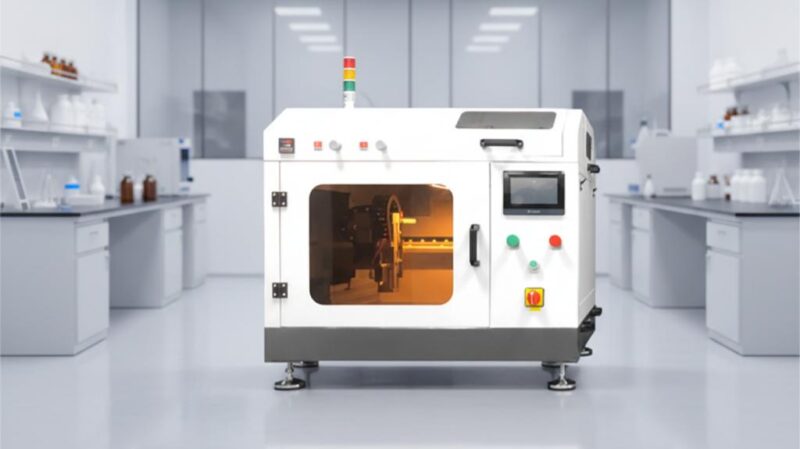
Polyimide precursor resins derived from molecular design must ultimately be converted into usable films through specific processing techniques. Mainstream methods include spin coating and slot-die coating; ultrasonic spraying can also be employed with modified polyimide resins to create thin, dense functional film layers on irregularly shaped substrates. While molecular structure determines the upper limits of material performance, processing steps—such as the heating profile for imidization and curing, control of residual solvents, and the release of internal film stress—also significantly influence final performance. Consequently, molecular design must be aligned with processing techniques to fully realize the intended design outcomes.
Molecular design invariably involves balancing competing performance requirements. For instance, introducing a large number of alicyclic structures to enhance optical transparency may compromise thermal stability; optimizing dielectric properties through a high content of fluorine-containing groups can lead to reduced adhesion; and indiscriminately increasing molecular rigidity to achieve ultra-high heat resistance often results in processing difficulties. Therefore, molecular structure design is not about maximizing a single property in isolation, but rather about weighing multiple performance indicators based on the specific application scenario. Photosensitive polyimide serves as a prime example: it requires the incorporation of photosensitive groups into the molecular chain while retaining overall heat resistance and insulating properties, thereby placing higher demands on molecular design.
As the next-generation electronics industry evolves toward high-frequency operation, flexibility, and high integration, polyimides face increasingly comprehensive performance requirements. Molecular structure design remains the core strategy for overcoming material limitations. By leveraging structure-property relationships to continuously develop resin systems with balanced overall performance, we can drive technological breakthroughs in high-end polyimide materials and support the iterative upgrading of cutting-edge electronic products.
About Cheersonic
Cheersonic is the leading developer and manufacturer of ultrasonic coating systems for applying precise, thin film coatings to protect, strengthen or smooth surfaces on parts and components for the microelectronics/electronics, alternative energy, medical and industrial markets, including specialized glass applications in construction and automotive.
Our coating solutions are environmentally-friendly, efficient and highly reliable, and enable dramatic reductions in overspray, savings in raw material, water and energy usage and provide improved process repeatability, transfer efficiency, high uniformity and reduced emissions.
If you have any technical questions, customization demands, or procurement inquiries about ultrasonic atomization nozzles, feel free to contact our professional sales and technical team for detailed parameters, customized solutions, and industry application support.
Email: market2@cheersonic.com