High-Performance Flexible Thin-Film Solar Cells
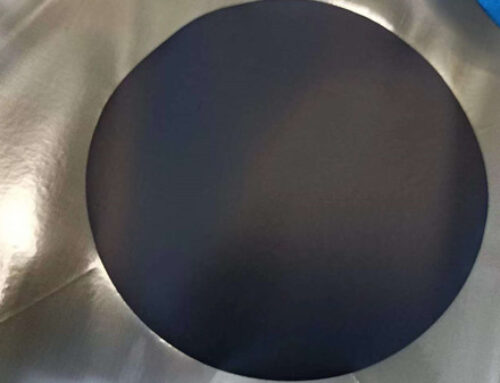
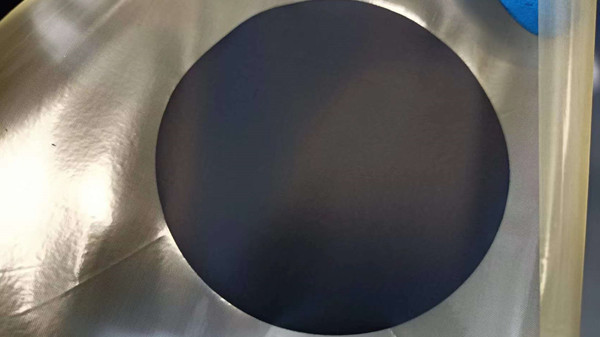
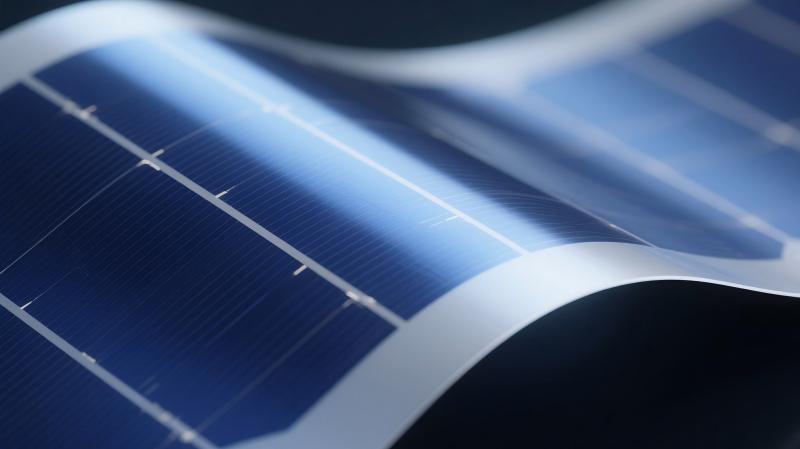
High-performance flexible thin-film solar cells employ an ultra-thin, flexible design, featuring high conversion efficiency, excellent low-light performance, superior temperature characteristics, high reliability, and easy bending. The cell thickness is only 10 micrometers, approximately 1/18th the thickness of traditional crystalline silicon cells, achieving a power density of 260 W/m², an areal density of 114 g/m², and a weight reduction of approximately 80% compared to conventional materials. Experiments conducted by internationally renowned energy research institutions have verified that the conversion efficiency of double-junction thin-film solar cells based on this technology can reach 31.6%. Furthermore, the substrate material can be reused approximately 20 times, significantly reducing production costs while providing the cell with excellent flexibility and adaptability, laying the technological foundation for large-scale, low-cost production.
Comparison of Compound Semiconductor Solar Cells and Silicon-Based Cells
As a III-V group compound semiconductor solar cell, this type of cell exhibits superior characteristics compared to silicon-based cells in several aspects:
1. Higher Conversion Efficiency
Due to its suitable bandgap and better matching of its spectral response range with the solar spectrum, its actual conversion efficiency is higher than that of silicon-based cells. Theoretically, the upper limit of efficiency for a single-junction silicon solar cell is approximately 23%, while this type of single-junction cell can theoretically achieve 27%, and multi-junction designs can further increase the theoretical efficiency to 50%.
2. Ultra-thin Design Potential
This material is a direct bandgap semiconductor, exhibiting significantly stronger absorption capabilities across the visible to infrared spectrum than indirect bandgap silicon. Achieving 95% solar absorption requires silicon materials to be over 150 micrometers thick, while this material only requires 5–10 micrometers, significantly reducing cell weight and material usage.
3. Stable High-Temperature Performance
The material’s intrinsic carrier concentration is low, resulting in a much better maximum power temperature coefficient (-2 × 10⁻³/℃) than silicon cells (-4.4 × 10⁻³/℃). At 200℃, silicon cells essentially fail, while this type of cell can still maintain approximately 10% efficiency, making it particularly suitable for high-temperature applications such as concentrated solar power generation.
4. Excellent Radiation Resistance
Thanks to the short minority carrier lifetime, defects generated by radiation beyond a few diffusion lengths in the junction region have minimal impact on cell performance. Under irradiation conditions of 1 MeV electrons and 1 × 10¹⁵/cm² flux, the output power retention rates of this type of single-junction and multi-junction cells exceed 0.76 and 0.81, respectively, while silicon-based cells only achieve 0.70 under the same conditions.
5. Potential of Multi-Junction Tandem Technology
With advancements in material growth technologies such as metal-organic chemical vapor deposition, III-V ternary and quaternary compound semiconductor material systems are becoming increasingly mature, providing abundant material choices and technological pathways for developing higher-efficiency multi-junction tandem solar cells.
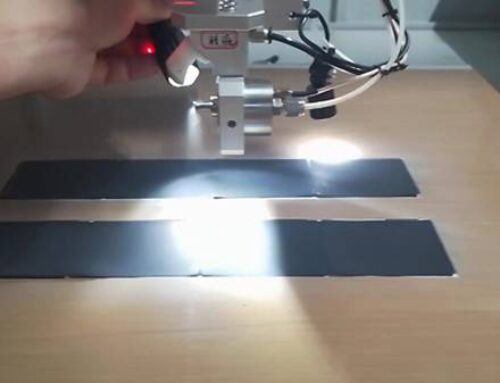
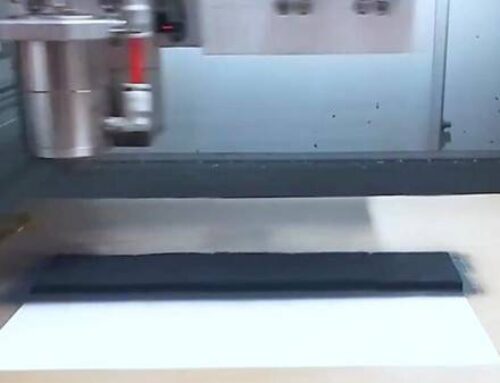
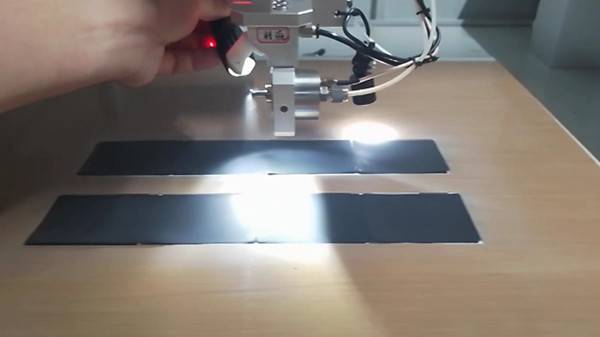
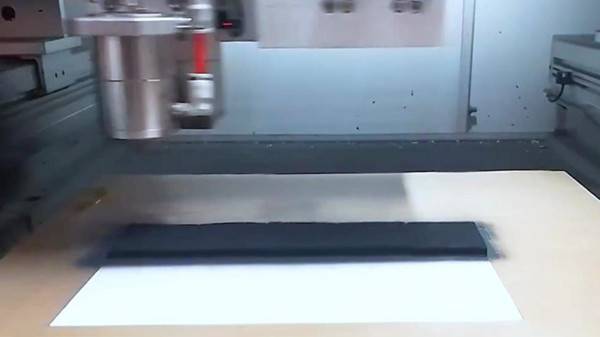
Ultrasonic spraying technology is one of the key technologies for preparing conductive coatings for high-performance flexible thin-film solar cells, precisely solving the deposition challenges of traditional methods on flexible substrates. The core of this technology involves atomizing conductive inks (such as silver nanowires, graphene, and PEDOT:PSS ink) into uniform microdroplets of 1-50 μm using an ultrasonic transducer. These droplets are then deposited onto the surface of flexible substrates (such as PET and PI films) using a low-kinetic-energy, directional deposition method, forming a conductive layer.
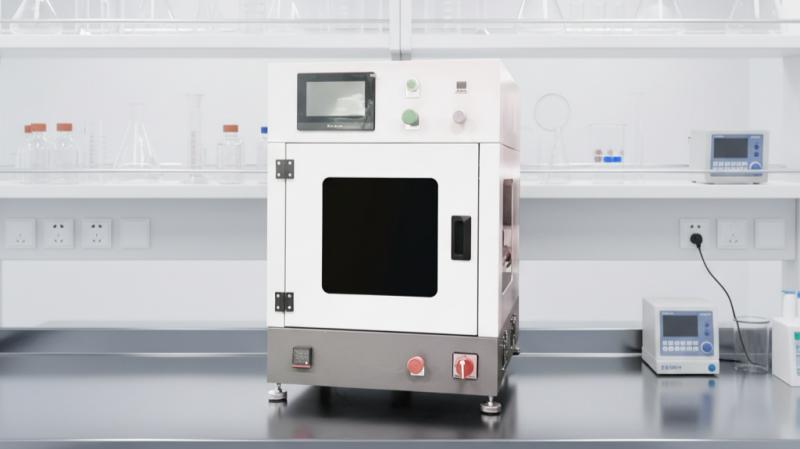
This technology offers several advantages that perfectly suit the requirements of conductive coatings: First, it provides high uniformity, allowing precise control over coating thickness (tens to hundreds of nanometers) and sheet resistance consistency, avoiding the edge effects of traditional spin coating and improving electrode conductivity. Second, it minimizes damage; the low droplet kinetic energy prevents damage to the flexible substrate or underlying functional layers, adapting to the substrate’s low mechanical strength. Third, it achieves a material utilization rate exceeding 80%, far higher than spin coating (<30%), reducing the cost of expensive conductive materials such as silver nanowires. Fourth, it offers strong compatibility, supporting roll-to-roll mass production and enabling the fabrication of large-area flexible conductive coatings, thus helping to replace brittle ITO electrodes.
About Cheersonic
Cheersonic is the leading developer and manufacturer of ultrasonic coating systems for applying precise, thin film coatings to protect, strengthen or smooth surfaces on parts and components for the microelectronics/electronics, alternative energy, medical and industrial markets, including specialized glass applications in construction and automotive.
Our coating solutions are environmentally-friendly, efficient and highly reliable, and enable dramatic reductions in overspray, savings in raw material, water and energy usage and provide improved process repeatability, transfer efficiency, high uniformity and reduced emissions.
If you have any technical questions, customization demands, or procurement inquiries about ultrasonic atomization nozzles, feel free to contact our professional sales and technical team for detailed parameters, customized solutions, and industry application support.
Email: market2@cheersonic.com