
Flux Technology: Principles, Types and Applications in Electronic Soldering
Flux technology is a core auxiliary welding technology widely applied in electronic packaging, circuit assembly and metal soldering processes, which determines the quality, stability and reliability of welding joints. As an indispensable key material in soldering operations, flux serves three fundamental technical functions: removing oxide layers on metal surfaces, preventing secondary oxidation during high-temperature welding, and reducing the surface tension of molten solder. This series of technical effects effectively solves common welding defects such as poor wetting, virtual soldering and solder skips, ensuring tight metallurgical bonding between solder pads, component pins and solder alloys.
The technical principle of flux relies on the thermal chemical reaction of internal functional components. During the heating process of reflow soldering and wave soldering, the activators in flux, including organic acids and composite active ingredients, react with metal oxides such as copper oxide and tin oxide on the substrate surface. The reaction generates soluble compounds and volatile substances, stripping the inert oxide film to expose pure and active metal surfaces. Meanwhile, the solvent and film-forming components in flux form a protective isolation layer on the metal surface, blocking air contact and avoiding repeated oxidation of clean metal structures under high-temperature working conditions.
According to technical formulas and process characteristics, mainstream flux technologies are divided into rosin-based, water-soluble and halogen-free cleaning-free types. Rosin-based flux features stable activity and mild corrosion, suitable for conventional electronic welding. Water-soluble flux adopts high-polarity formula, with strong oxide removal capacity and easy water cleaning, adapting to high-precision industrial scenarios. The most advanced halogen-free cleaning-free flux technology has become the mainstream of modern manufacturing. It avoids corrosive halogen components, leaves minimal non-conductive residues after welding, and eliminates the post-cleaning process, which greatly improves production efficiency and meets environmental protection and high-reliability circuit standards.
With the upgrading of precision electronic manufacturing, flux technology is constantly optimized for low-temperature welding, fine-pitch packaging and high-density SMT processing. Modern flux technology balances activation efficiency, corrosion resistance, thermal stability and environmental performance. It not only adapts to the technological requirements of lead-free soldering processes, but also effectively reduces welding voids and tin burrs. As a foundational supporting technology in the electronic manufacturing industry, innovative flux formulas and process optimization continue to promote the improvement of welding yield and the long-term operational reliability of electronic products.
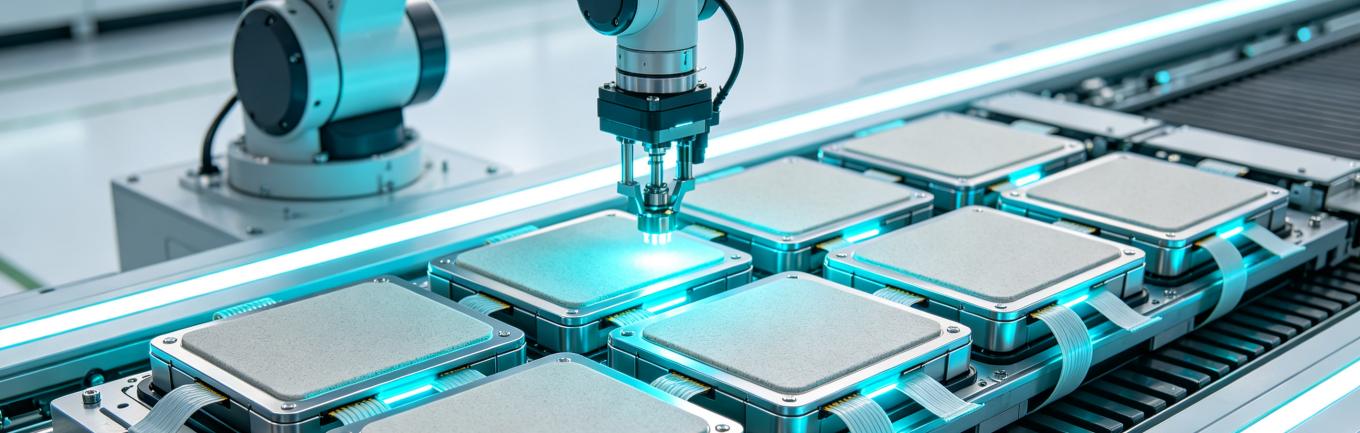
Precise Soldering Solution for PCB Batch Assembly
Precise Soldering Solution for PCB Batch Assembly Wave soldering ultrasonic [...]
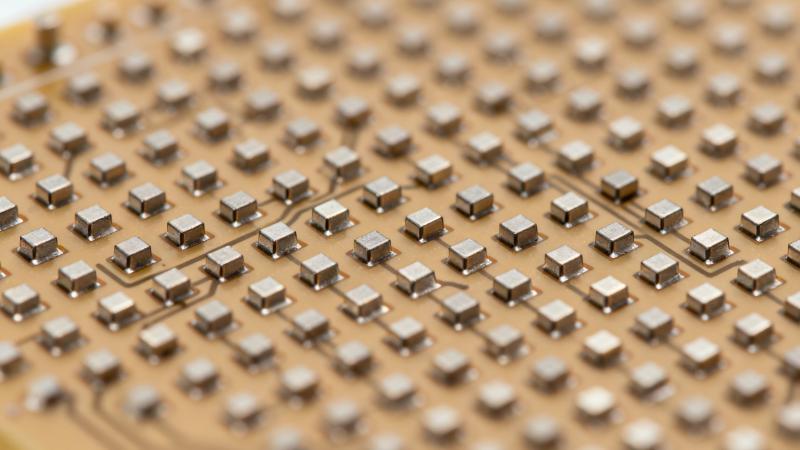
Ultrasonic Flux Spraying Upgrade for Wave Soldering OEM
Ultrasonic Flux Spraying Upgrade for Wave Soldering OEM Ultrasonic Flux [...]

Flux Technology: Principles, Types and Applications in Electronic Soldering
Flux Technology Explore core flux technology, covering chemical [...]
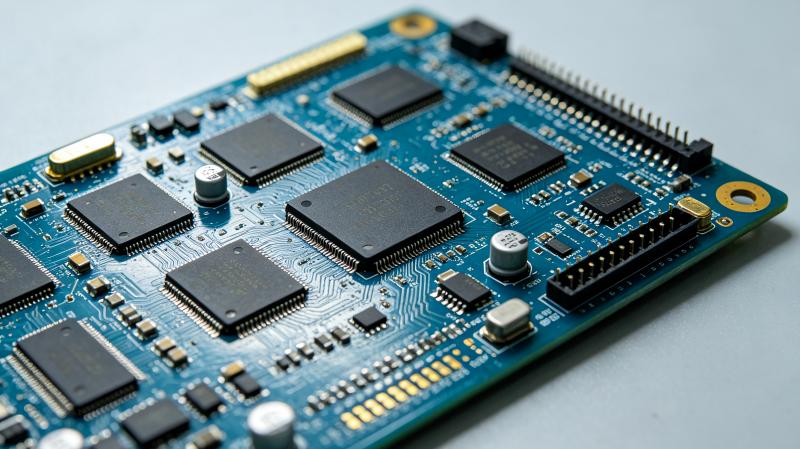
Ultrasonic Spray Fluxing for PCBs
Ultrasonic Spray Fluxing for PCBs Ultrasonic spray fluxing is widely [...]
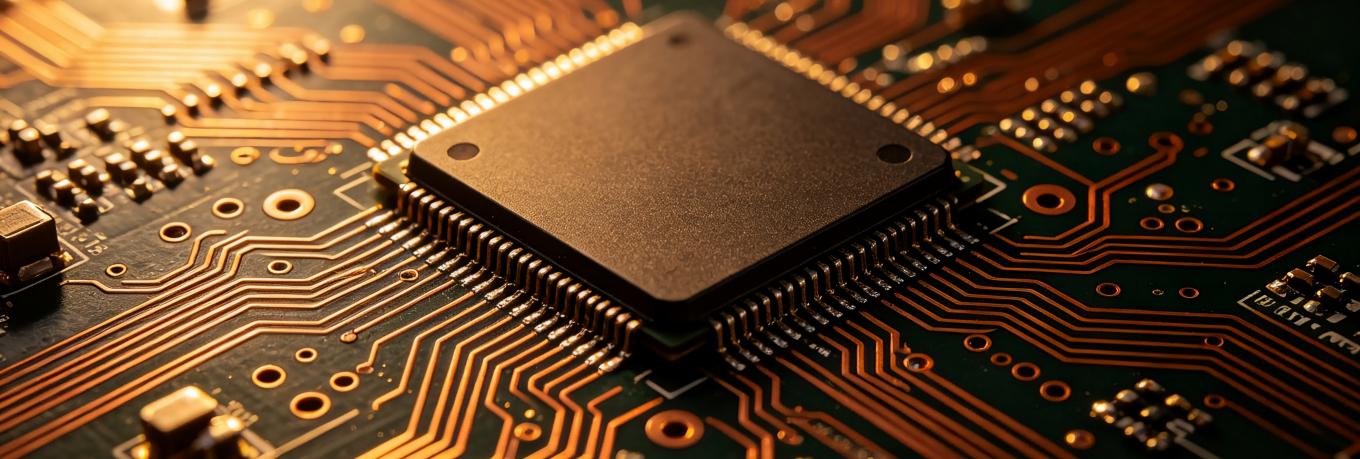
Ultrasonic Spray Fluxing Process for Flip-Chip Bonding
Ultrasonic Spray Fluxing Process for Flip-Chip Bonding Ultrasonic Spray Fluxing [...]

Selective Flux Spraying
Selective Flux Spraying Ultrasonic selective spraying equipment; flux spraying equipment; [...]