
Spraying the Proton Exchange Membrane Catalyst Layer
The spraying of catalyst layer on proton exchange membrane (PEM) electrolysis cell is a key process step that directly affects the performance and efficiency of the electrolysis cell. The following is a detailed analysis of the spraying of catalyst layer on proton exchange membrane electrolysis cell:
Spraying method
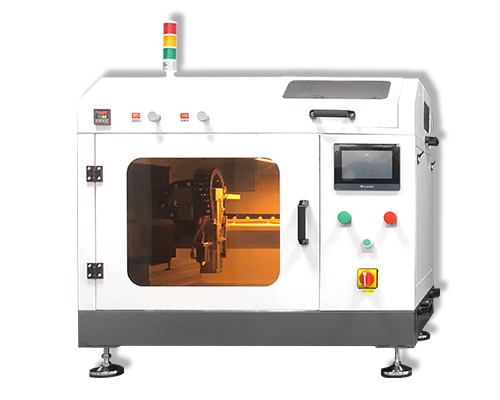
Ultrasonic spraying: Principle: Based on the principle of ultrasonic vibration, the liquid catalyst is converted into tiny droplets through high-frequency vibration, and these droplets are uniformly sprayed onto the target substrate (such as proton exchange membrane, gas diffusion layer, etc.) through high-speed airflow.
- Advantages: High spraying accuracy, good coating uniformity, controllable coating thickness, and can ensure tight contact between proton exchange membrane and electrode, further improving electrolysis efficiency. In addition, ultrasonic spraying technology can complete large-area spraying in a short period of time, improve production efficiency, reduce paint rebound and splashing, improve paint utilization, and reduce production costs.
Spray coating: Method: directly spray the catalyst slurry on the proton exchange membrane through the spray equipment.
- Attention: It is necessary to spray ionomers (such as Nafion) on the proton exchange membrane before catalyst spraying, and this process has poor uniformity and relatively low efficiency.
Roll to roll direct coating: Method: Through slot die direct coating, the transfer process is reduced and efficiency is improved. At the same time, the thickness and shape of the catalytic layer coating can be controlled, and the drying time of the membrane can be adjusted to regulate the morphology of the catalyst slurry on the proton exchange membrane.
Scraping: Method: Use a scraper to evenly scrape the catalyst slurry onto the proton exchange membrane.
- Attention: It is necessary to control the scraping speed and force to ensure the uniformity and consistency of the coating thickness.
Spray material
Catalysts: Commonly used catalysts include precious metal catalysts such as platinum and ruthenium, as well as non precious metal catalysts such as nickel and cobalt. The choice of catalyst depends on factors such as the working conditions, performance requirements, and cost of the electrolytic cell.
Ionomers, such as Nafion, are used to enhance the stability and conductivity of catalyst layers.
Solvent: Used to dissolve or disperse catalysts and ionomers into a slurry for spraying. The selection of solvents should take into account factors such as their volatility, solubility in catalysts and ionomers, and their impact on the environment.
Spray coating process parameters
Spray speed: affects the thickness and uniformity of the coating. Too fast speed may result in thin or uneven coating, while too slow speed may lead to thick coating or material waste.
Spray pressure: affects the size and distribution of droplets. Excessive pressure may cause droplets to become too large or splash, while insufficient pressure may cause droplets to become too small or spray unevenly.
Coating thickness: adjusted by controlling the spraying time and amount. The thickness of the coating has a significant impact on the performance of the electrolytic cell. Excessive thickness may lead to an increase in internal resistance and a decrease in efficiency, while excessive thickness may result in insufficient catalyst utilization and a decrease in performance.
Precautions
Dispersion of catalyst: Ensure that the catalyst is evenly dispersed in the slurry to improve the uniformity of the coating and the utilization rate of the catalyst.
Control of spraying environment: Avoid spraying in damp, dusty or high-temperature environments to avoid affecting the quality and performance of the coating.
Coating drying and curing: Drying and curing treatment is required after spraying to ensure a tight bond between the coating and the proton exchange membrane and the stability of the coating.
In summary, the spraying of the catalyst layer for proton exchange membrane electrolysis cells is a complex and critical process step. By selecting appropriate spraying methods, materials, and process parameters, and strictly controlling the spraying environment and coating drying and curing process, high-performance and highly stable catalyst layers can be prepared, thereby improving the performance and efficiency of proton exchange membrane electrolysis cells.
About Cheersonic
Cheersonic is the leading developer and manufacturer of ultrasonic coating systems for applying precise, thin film coatings to protect, strengthen or smooth surfaces on parts and components for the microelectronics/electronics, alternative energy, medical and industrial markets, including specialized glass applications in construction and automotive.
Our coating solutions are environmentally-friendly, efficient and highly reliable, and enable dramatic reductions in overspray, savings in raw material, water and energy usage and provide improved process repeatability, transfer efficiency, high uniformity and reduced emissions.
Chinese Website: Cheersonic Provides Professional Coating Solutions
