Spray PTFE Solution onto 304 Stainless Steel Wire
Applying polytetrafluoroethylene (PTFE) solution on the surface of 304 stainless steel wire is a common surface treatment method that can endow the wire with specific functional characteristics, such as reducing friction coefficient and enhancing corrosion resistance. The following is a summary of relevant information:
The function of polytetrafluoroethylene (PTFE) solution
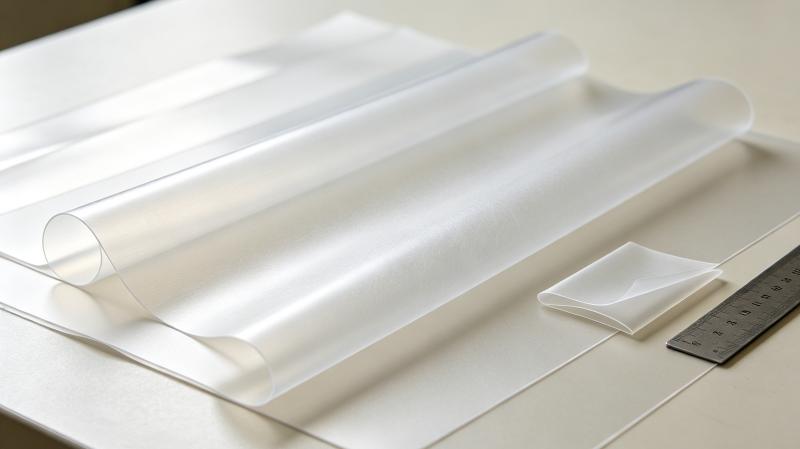
A layer of polytetrafluoroethylene coating can be formed on the surface of 304 stainless steel wire through processes such as chemical plating. This coating mainly plays the following roles:
- Excellent self-lubricating performance: PTFE has an extremely low coefficient of friction (about 0.05), which can effectively reduce the frictional resistance and wear of steel wire during use.
- Good corrosion resistance: PTFE is inert to most chemicals and can effectively isolate corrosive media such as acids, alkalis, and salts, protecting the steel wire substrate.
- Wide temperature resistance range: PTFE material has stable performance in the temperature range of -80 ℃ to 260 ℃, suitable for high temperature conditions.
Coating process flow
The commonly used coating process is the electroless nickel phosphorus PTFE composite coating technology, which includes the following basic steps:
- Pre treatment: Clean and activate the steel wire to ensure a clean surface, free from oil stains and oxides, in order to improve the adhesion of the coating.
- Chemical nickel phosphorus bottom layer: A dense nickel phosphorus alloy layer is deposited on the surface of the steel wire as an intermediate layer to enhance the adhesion of the PTFE coating.
- PTFE chemical plating outer layer: evenly disperse PTFE particles in the plating solution and deposit them on the nickel phosphorus layer through chemical methods to form a uniform PTFE protective layer.
Main application scenarios
PTFE coated 304 stainless steel wire has a wide range of applications in various fields, including:
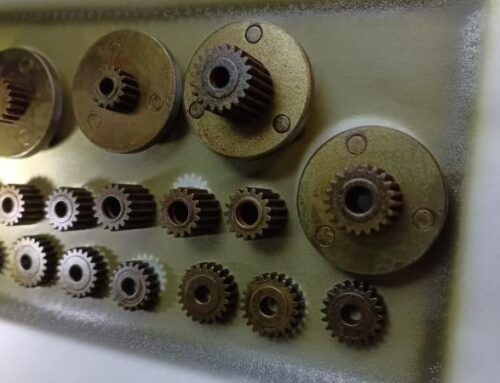
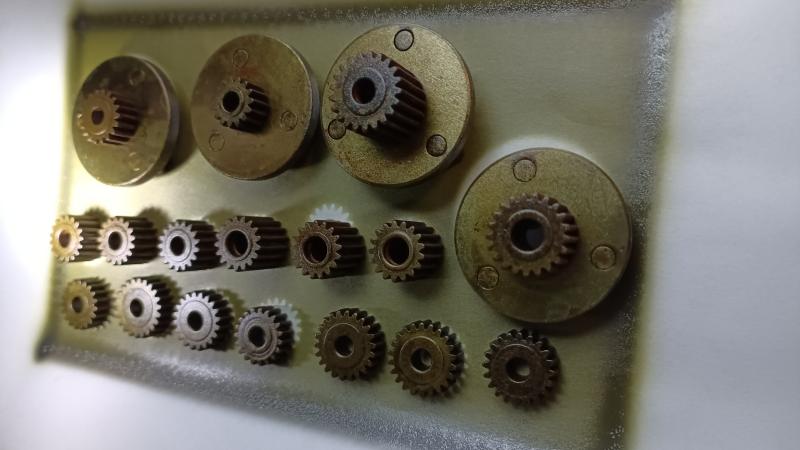
- Mechanical manufacturing: used for components such as bearings, gears, and chains, helping to reduce friction losses and improve equipment operating efficiency.
- Aerospace: Suitable for key components such as engine parts and transmission systems, meeting stringent requirements for high temperature resistance, corrosion resistance, and low friction.
- Electronics industry: used as connecting wires and conductors, its corrosion resistance and insulation properties help protect electronic components.
Key points of process control
- The PTFE coating process is sensitive to environmental parameters such as temperature, pH value, and stirring speed, and strict control is required to ensure the quality of the coating.
- After coating, post-treatment processes such as water washing and drying are required to remove surface residues and ensure the cleanliness of the finished product.
In summary, coating the surface of 304 stainless steel wire with polytetrafluoroethylene solution is an effective surface modification method that can significantly improve the comprehensive performance of the wire and adapt to diverse industrial application needs.
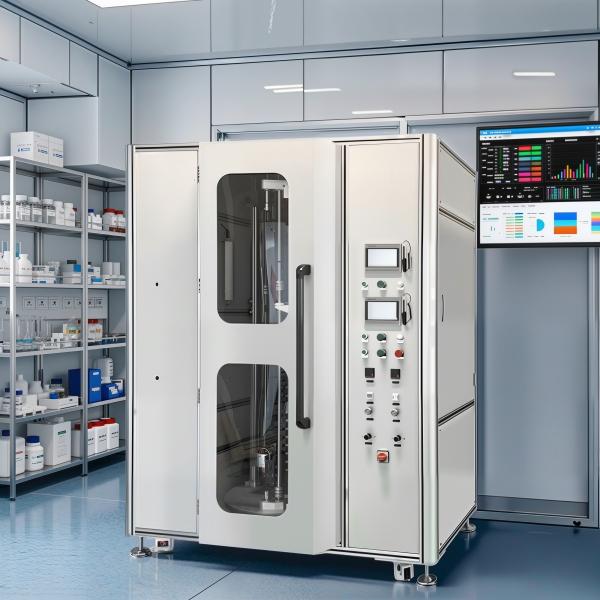
Ultrasonic spraying of PTFE solution is an efficient process for surface modification of 304 stainless steel wire. With the advantage of high-frequency vibration atomization, it solves the problems of uneven coating and weak adhesion in traditional spraying. Before operation, the 304 stainless steel wire should be pre treated, and surface impurities should be removed by alkaline degreasing and acid pickling to ensure a roughness of Ra 0.2-0.5 μ m, laying the foundation for coating bonding.
The PTFE solution needs to be prepared with a concentration of 15% -20% and a viscosity of 15-25cP, and atomized at an ultrasonic frequency of 20-30 kHz. The spraying distance should be controlled at 8-12 cm, and the steel wire conveying speed should be set at 0.5-1 m/min to ensure uniform coating thickness covering 5-15 μ m. After spraying, the PTFE molecules are cured in stages at 200-280 ℃ to form a stable bond with the surface of the steel wire.
The processed steel wire combines the high strength of 304 steel with the low friction (friction coefficient ≤ 0.05) and corrosion resistance of PTFE, and can withstand temperature differences from -200 ℃ to 260 ℃. It effectively extends the service life of steel wire and reduces maintenance costs in scenarios such as food machinery transportation, medical device tubing, and automotive braking systems.
About Cheersonic
Cheersonic is the leading developer and manufacturer of ultrasonic coating systems for applying precise, thin film coatings to protect, strengthen or smooth surfaces on parts and components for the microelectronics/electronics, alternative energy, medical and industrial markets, including specialized glass applications in construction and automotive.
Our coating solutions are environmentally-friendly, efficient and highly reliable, and enable dramatic reductions in overspray, savings in raw material, water and energy usage and provide improved process repeatability, transfer efficiency, high uniformity and reduced emissions.
If you have any technical questions, customization demands, or procurement inquiries about ultrasonic atomization nozzles, feel free to contact our professional sales and technical team for detailed parameters, customized solutions, and industry application support.
Email: market2@cheersonic.com