Detailed Explanation of the Mechanism of Bipolar Membrane Dissociation of Water
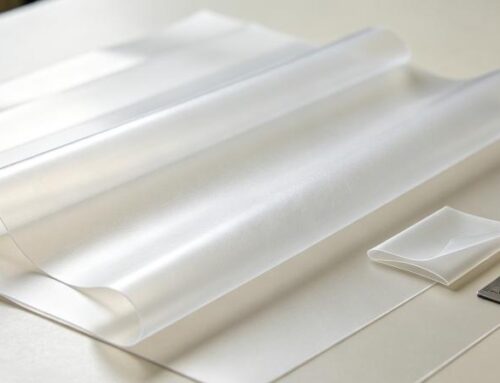
In the field of green hydrogen production and efficient water electrolysis technology, bipolar membrane electrolysis technology has attracted much attention due to its unique ion regulation ability. The core of this membrane based electrolysis technology lies in the special structure of the bipolar membrane, which provides an efficient pathway for hydrogen production through water electrolysis by precisely regulating ion transport and water dissociation processes. As a functional membrane material that combines ion selection and catalytic activity, the performance of bipolar membranes directly determines the efficiency and stability of electrolysis systems. Therefore, a deep understanding of their water dissociation mechanism is crucial for technological optimization.
Structural characteristics and core performance requirements of bipolar membranes
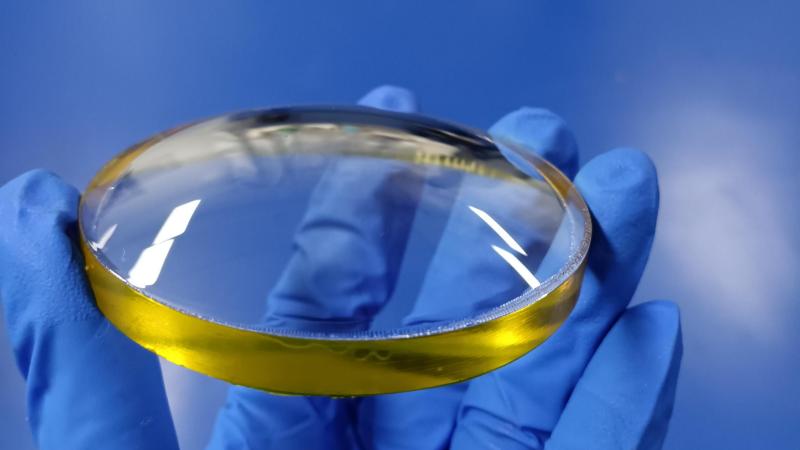
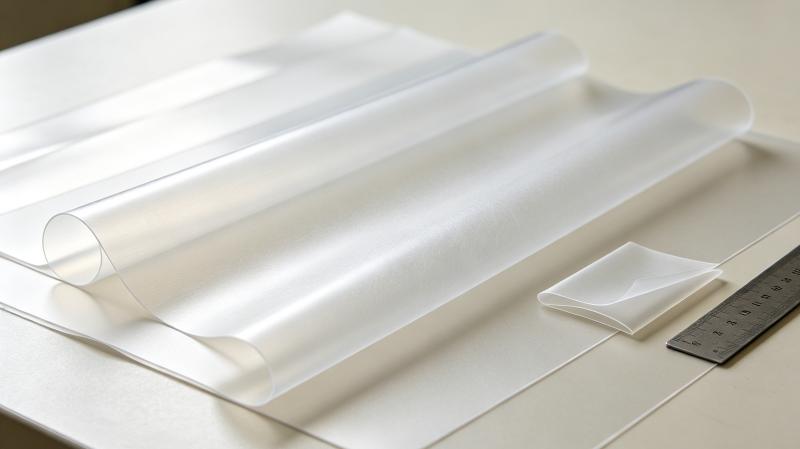
A bipolar membrane is composed of three functional layers, namely a strong acid cation exchange layer (CEL, also known as a proton exchange layer), a strong base anion exchange layer (AEL), and a catalytic interface layer located between the two layers. Among them, the cation exchange layer only allows cations such as H ⁺ to pass through, while the anion exchange layer selectively allows anions such as OH ⁻ to pass through; The catalytic interface layer in the middle is usually loaded with specialized catalysts and is the core region that promotes the dissociation of water molecules. Its essence is the composite structure of cationic and anionic polymers, which not only acts as an ion transport barrier but also provides reaction sites for proton transfer.
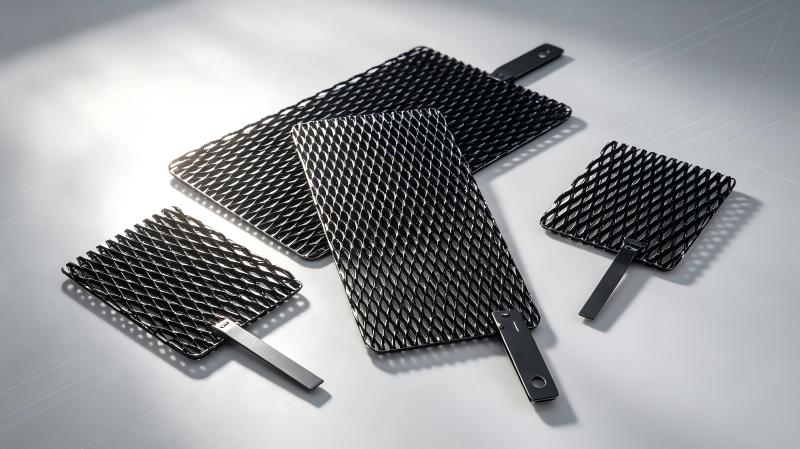
A high-performance bipolar membrane needs to meet multidimensional indicators: each functional layer needs to have high ion conductivity to reduce transmission resistance; The catalytic reaction kinetics rate in the interface region should be fast to ensure the efficiency of water dissociation; Good permeability can ensure the supply of reaction substrates; Maintaining structural stability and extending service life under long-term working current density; At the same time, it is necessary to minimize the crossing of parasitic ions to avoid reducing product purity and electrolysis efficiency. These performance indicators collectively determine the application value of bipolar membranes in electrolysis systems.
Hydrolysis and Core Separation Mechanism of Bipolar Membrane
The core advantage of bipolar membranes lies in their ability to independently optimize the hydrolysis dissociation process and catalytic environment. Their water dissociation behavior is closely related to their ion transport characteristics, which can be explained by the Donnan exclusion principle. This principle states that when a membrane material with a fixed charge group comes into contact with a salt containing solution, counterions with opposite fixed charges in the solution will accumulate in the membrane, while ions with the same charge and the same name will be repelled. Bipolar membranes exhibit permeation barrier properties for both cations and anions in solution due to the presence of fixed charged groups in both cation and anion exchange layers. However, they can continuously release H ⁺ and OH ⁻ through internal hydrolysis and ionization. This contradictory unity of “barrier release” is the core of their technology.
The working mode of bipolar membrane can be compared to p-n junction in semiconductors, which can be divided into two types: reverse bias and forward bias. Among them, reverse bias is the key mode to achieve water dissociation, and there are significant differences in the ion transport behavior and reaction process between the two modes:
Reverse bias: the core working mode of water dissociation
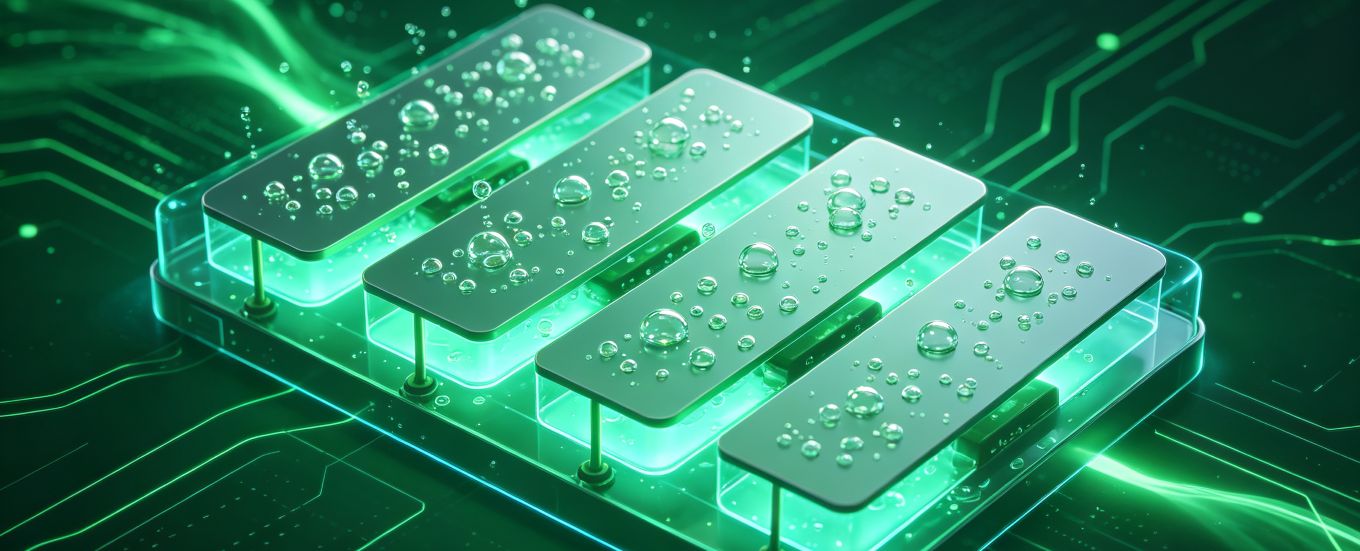
Under reverse bias, the cation exchange layer (CEL) of the bipolar membrane is located near the cathode of the electrolysis system, while the anion exchange layer (AEL) is located near the anode. When current passes through the membrane, ions in the solution cannot penetrate both the CEL and AEL layers simultaneously, resulting in an interruption of ion current. To maintain circuit conductivity, the catalytic interface layer in the middle of the membrane triggers water molecule dissociation, generating H ⁺ and OH ⁻ to carry ion current – H ⁺ migrates to the cathode through CEL, while OH ⁻ migrates to the anode through AEL.
This process will create acidic and alkaline environments on both sides of the membrane, resulting in a significant pH gradient. In the initial stage of reverse bias, the bipolar membrane exhibits high resistance due to ion transport obstruction; As the voltage increases, the hydrolysis dissociation mechanism is fully activated, and the generation rate of H ⁺ and OH ⁻ accelerates. The current also significantly increases, forming a typical “low voltage high resistance high voltage low resistance” current voltage curve, which is fundamentally different from the current voltage characteristics of traditional anion exchange membrane electrolysis.
Forward bias: recombination of water and acid-base neutralization
When forward biased, the polarity correspondence between the functional layer of the bipolar membrane and the electrode is completely reversed. H ⁺ and OH ⁻ are no longer generated by the dissociation of water within the membrane, but migrate from the external solution to the catalytic interface layer, where they recombine to form water molecules. These generated water molecules will permeate outside the membrane through CEL and AEL, ultimately achieving acid-base neutralization reaction. Compared with reverse bias, ions continue to aggregate at the interface under forward bias, resulting in a lower overall resistance of the membrane. This makes it more suitable for scenarios that require ion recombination, such as acid-base neutralization and wastewater treatment.
Core theoretical explanation of hydrolysis dissociation mechanism
At present, there are two core theories in academia that explain the mechanism of bipolar membrane water dissociation, which reveal the essence of water dissociation from the perspectives of electric field action and catalytic reaction. The two complement each other and jointly improve our understanding of this process.
Second Wien effect: enhanced dissociation driven by electric field
The second Wien effect is an early classical theory that explains the dissociation of electrolytes, and its core idea is that strong electric fields significantly affect the dissociation behavior of weak electrolytes. This theory suggests that the high electric field environment at the interface of bipolar membrane catalysis can accelerate the dissociation of water molecules and enhance the ion mobility of dissociation products, thereby ensuring the continuous transmission of ion current. However, this theory has obvious limitations – to achieve the required hydrolysis dissociation rate, the electric field strength at the interface needs to far exceed the range that the actual membrane material can withstand, and ignores additional effects such as membrane structure damage and intensified side reactions under high electric fields. Therefore, it cannot fully explain the water dissociation process alone.
Protonation deprotonation mechanism: proton transfer at catalytic sites
In 1978, Simon and Khanarian first proposed the protonation deprotonation mechanism, which improved the hydrolysis dissociation theory from the perspective of catalytic reactions. This mechanism suggests that the dissociation of water at the interface of bipolar membranes is not solely dependent on the action of an electric field, but is achieved through proton transfer reactions under the synergistic effect of catalysts and fixed charged groups within the membrane. Specifically, reversible proton binding and release reactions occur between water molecules and fixed charged groups within the membrane, generating H ⁺ and OH ⁻. The presence of catalysts significantly reduces the energy barrier for proton transfer reactions.
Unlike the assumption of the second Wien effect that the water dissociation characteristics of the two-layer functional membrane are consistent, the protonation deprotonation mechanism clearly states that the hydrolysis dissociation rate is directly related to the type of fixed groups in the cation exchange layer and anion exchange layer – for example, the combination of strong acidic and strong alkaline groups exhibits higher hydrolysis dissociation activity than the combination of weak acidic and alkaline groups. This theory is highly consistent with experimental results and has become the mainstream viewpoint for explaining the water dissociation mechanism of bipolar membranes. It also provides a clear direction for the preparation of high-performance bipolar membranes – by regulating the type of fixed groups and catalyst activity inside the membrane, precise optimization of water dissociation efficiency can be achieved.
Summary and Application Prospects
The bipolar membrane achieves precise regulation of water dissociation and ion transport through the design concept of “structural partitioning functional synergy”. Its efficient hydrolysis dissociation characteristics in reverse bias mode provide a new technological path for green hydrogen production, while forward bias demonstrates unique advantages in areas such as acid-base recovery and wastewater treatment. Currently, improving the performance stability and cost-effectiveness of membrane materials is the core bottleneck of the industrialization of bipolar membrane technology. In the future, it is expected to further overcome this limitation through catalytic interface structure optimization, research and development of new functional materials, and other means.
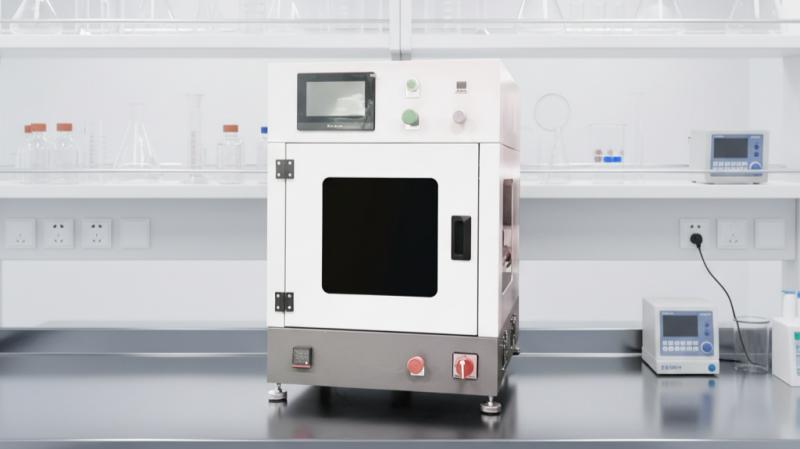
Ultrasonic spraying: a key technology for bipolar membrane preparation
Ultrasonic spraying technology provides an efficient solution for the preparation of high-performance bipolar membranes. It uses high-frequency ultrasonic vibration to atomize the membrane material solution into micrometer sized droplets, which are accurately sprayed onto the substrate with a carrier gas to form a uniform film layer. This technology does not require a vacuum environment, the equipment is simple, and the substrate temperature requirement is reduced by 100 ℃. When combined with inorganic raw materials, it can significantly reduce costs. Using this technology and SnO ₂ nanoparticles as catalysts, a 20 μ m ultra-thin bipolar membrane was prepared with a transmembrane voltage of only 0.95V at a current density of 1000mA cm ⁻ ². Its film density can effectively suppress parasitic ion crossing, and its Ilim1 value is better than many commercial membranes. It can work continuously for 800 hours without performance degradation, providing a feasible path for the large-scale preparation of bipolar membranes.
About Cheersonic
Cheersonic is the leading developer and manufacturer of ultrasonic coating systems for applying precise, thin film coatings to protect, strengthen or smooth surfaces on parts and components for the microelectronics/electronics, alternative energy, medical and industrial markets, including specialized glass applications in construction and automotive.
Our coating solutions are environmentally-friendly, efficient and highly reliable, and enable dramatic reductions in overspray, savings in raw material, water and energy usage and provide improved process repeatability, transfer efficiency, high uniformity and reduced emissions.
If you have any technical questions, customization demands, or procurement inquiries about ultrasonic atomization nozzles, feel free to contact our professional sales and technical team for detailed parameters, customized solutions, and industry application support.
Email: market2@cheersonic.com