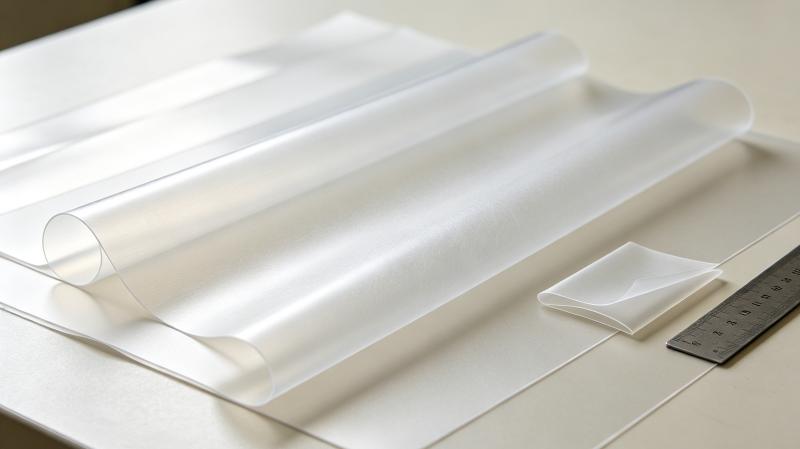
Detailed Explanation of Lens Coating (Optical Coating)
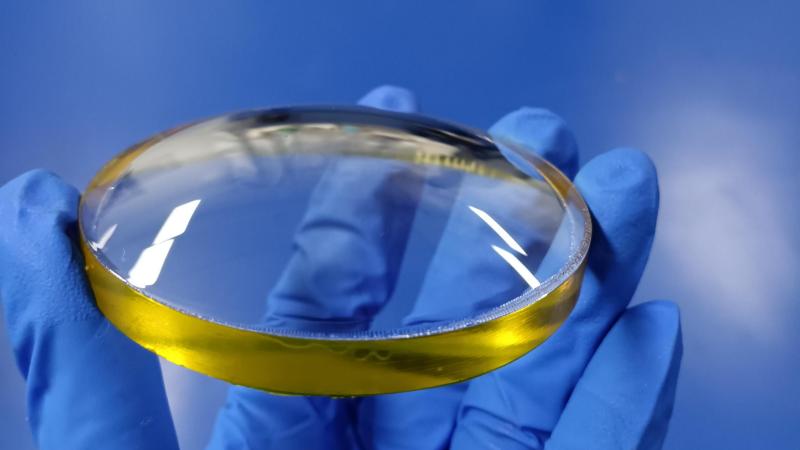
Lens coating, also known as optical coating, refers to one or more ultra-thin functional thin films formed on the surface of optical components such as lenses through vacuum deposition techniques, used to improve optical performance, enhance durability, or achieve specific optical effects. Its core principle is based on the phenomena of interference, refraction, and reflection of light, and achieves precise control of light propagation by precisely controlling the film material, thickness, and number of layers.
Core functions and classification
Lens coatings can be divided into the following categories based on their functions:
- Anti reflective film (AR film): reduces surface reflection (single layer can be reduced to 1.5%, multi-layer can be reduced to 0.25%), improves light transmittance (up to 98-99%), and reduces glare; Typical applications include eyeglass lenses, camera lenses, microscopes, and telescopes.
- Wear resistant/hard coating: improves surface hardness (especially for resin lenses), resists scratches, and extends service life; Typical applications include daily glasses, sports glasses, and optical instruments.
- Anti pollution/hydrophobic film: reduces the adhesion of water, oil, and dust, is easy to clean, and keeps the lens clear; Typical applications include all optical lenses, especially suitable for outdoor and daily use scenarios.
- Anti blue light film: filters harmful short wave blue light (400-450nm), reduces eye fatigue; Typical applications are aimed at computer users, mobile phone users, and students.
- UV resistant film: blocks over 99% of UV-A and UV-B, protecting eyes/optical sensors; Typical applications include sunglasses, everyday glasses, and camera lenses.
- Mirror facial mask: high reflectivity, mirror effect, often with colored tint; Typical applications include sunglasses, sports glasses, and decorative lenses.
- Color changing film: automatically darkens when exposed to ultraviolet light, restoring transparency indoors; Typical applications include all-weather glasses and outdoor work glasses.
- Spectral film: proportionally divide incident light into transmitted light and reflected light; Typical applications include projectors, optical instruments, and laser systems.
- Filter film: selectively transmits specific wavelengths and filters other wavelengths; Typical applications include camera filters, medical equipment, and spectrometers.
Coating process technology
Modern lens coatings mainly use the following precision processes:
1. Vacuum evaporation coating: Heating the material in a high vacuum environment to vaporize it and deposit it on the surface of the lens, suitable for most optical coatings
2. Sputtering coating: Using high-energy ions to bombard the target material, causing atoms/molecules to splash and deposit, resulting in stronger adhesion and better uniformity of the film layer
3. Ion assisted deposition: Introducing ion beam assistance during the deposition process to enhance the density and stability of the film layer
4. Nanostructured coating: constructing sub wavelength microstructures (100-300nm) to achieve low reflection effects through physical structures
5. Sol gel method: thin films are prepared by liquid chemical method, which is suitable for special functional coatings
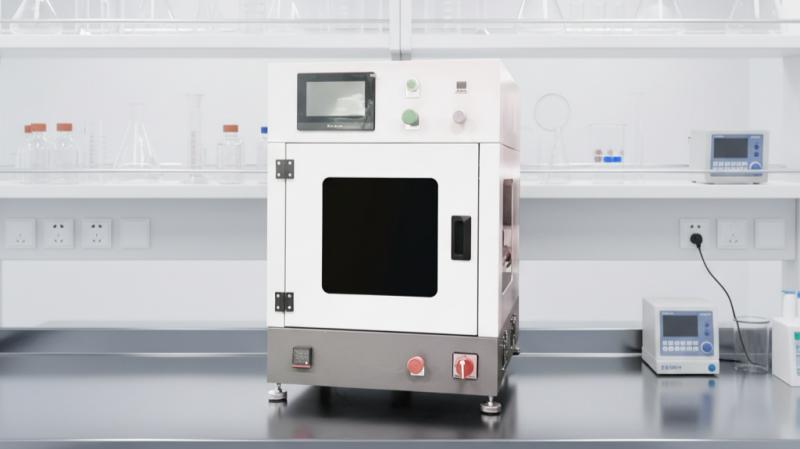
6. Ultrasonic spray coating: As a new type of high-efficiency liquid-phase coating technology, relying on high-frequency ultrasonic vibration of 20kHz-180kHz, the optical coating liquid is atomized into uniform micrometer sized droplets using cavitation and acoustic flow effects, and accurately deposited on the surface of the lens in a low-pressure and impact free manner. This technology does not require a vacuum environment, has a simple operation process, can accurately control the thickness of the film layer, and the error can be stably controlled within ± 5nm, perfectly adapting to various lens substrates such as resin and glass. Compared to traditional processes, its material utilization rate can reach over 90%, significantly reducing raw material waste and VOC emissions, making it environmentally friendly. At the same time, it can adapt to curved surfaces, irregular shapes, and micro lenses, solving problems such as uneven edges and flow defects in traditional coating. Only 3-5 layers of film are needed to achieve the optical effects of traditional 8-12 layers, greatly reducing production time and costs. Currently widely used in the mass production and preparation of anti reflective, anti fog, and anti fouling functional coatings for mobile phone lenses, automotive optics, medical endoscopes, and AR/VR lenses.
Special requirements for different application fields
1. Coating of eyeglass lenses
- Multi layer composite coating is the mainstream (wear-resistant+AR+anti pollution+anti UV), which balances visual clarity and durability
- The AR film on the back surface can reduce reflected light entering the eyes and improve comfort
- Sports glasses need to enhance their wear resistance and anti fog performance
2. Camera/Optical Instrument Lens Coating
- Multiple layers of anti reflective film are required for multiple lenses to reduce light loss and ghosting
- High end lenses use special broadband anti reflective films that cover the entire visible light spectrum
- Professional lenses may contain special coatings such as infrared cutoff film and polarizing film
3. Special optical systems
- Laser system: high damage threshold coating, resistant to laser ablation
- Medical equipment: biocompatible coating, anti biofouling
- VR/AR devices: high transparency+anti reflection+anti glare, enhance immersion
Selection and Maintenance Guide
Selection Suggestion
1. Daily glasses: Prioritize the use of multi-layer composite coatings (AR+wear-resistant+stain resistant+UV resistant) to balance clarity and durability
2. Computer workers: Add anti blue light coating to protect the retina
3. Outdoor activities: color changing coating or mirror facial mask+UV protection, dealing with strong light environment
4. High end camera: Choose multi-layer broadband anti reflective film lens to improve imaging quality
Maintenance points
1. Use microfiber cloth for cleaning to avoid scratching the coating with rough materials
2. Avoid using strong solvents such as alcohol, which may damage the coating
3. Avoid high temperature and high humidity environment during storage to prevent coating aging
4. Regularly check the integrity of the coating and replace it promptly if it falls off
Technological development trends
1. Superhydrophobic self-cleaning coating: biomimetic lotus leaf effect, achieving a “no water, no oil” self-cleaning effect
2. Intelligent responsive coating: automatically adjusts optical performance according to the environment (temperature/humidity/light)
3. Ultra thin nano coating: reduces film thickness and lowers costs while maintaining performance
4. Environmentally friendly coating: reduces the use of harmful substances and adopts green preparation technology
Lens coating technology is one of the core technologies in the field of modern optics. From everyday glasses to space telescopes, it is indispensable, constantly driving the improvement of optical product performance and the expansion of application scenarios.
About Cheersonic
Cheersonic is the leading developer and manufacturer of ultrasonic coating systems for applying precise, thin film coatings to protect, strengthen or smooth surfaces on parts and components for the microelectronics/electronics, alternative energy, medical and industrial markets, including specialized glass applications in construction and automotive.
Our coating solutions are environmentally-friendly, efficient and highly reliable, and enable dramatic reductions in overspray, savings in raw material, water and energy usage and provide improved process repeatability, transfer efficiency, high uniformity and reduced emissions.
If you have any technical questions, customization demands, or procurement inquiries about ultrasonic atomization nozzles, feel free to contact our professional sales and technical team for detailed parameters, customized solutions, and industry application support.
Email: market2@cheersonic.com