
Sensor Coatings
Ultrasonic Thin Film Coating Solutions for Sensor Fabrication
Ultrasonic spray equipment delivers premium thin film coatings on sensor components with functional nanoparticle blends, polymer materials, conductive polymer coating formulations and oxide compound mixtures. This contact-free coating technology generates even thin film layers on diverse sensor base materials, featuring highly regulated film thickness spanning nanoscale coatings up to dozens of microns. Real-time closed-loop monitoring maintains steady, uniform film deposition throughout processing.
Functional Nanomaterial Thin Film Coatings for Sensors
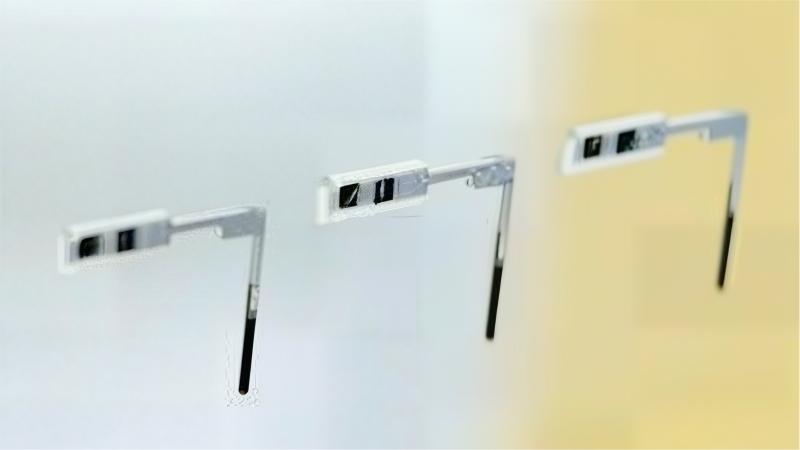
Ultrasonic spray equipment serves as mainstream processing equipment for spraying nanomaterials onto sensors, where functional nanomaterials deliver custom electrical, optical or chemical sensing performance. Ultrasonic atomization generates soft, fine mist droplets that prevent nanoparticle agglomeration, resulting in uniform coating structures and steady conductive performance across the entire thin film sensing surface.
Ultrasonic spray deposition is a mature, validated technology for applying functional nanoparticle thin films to sensors. Multiple academic sensor research papers confirm this method produces consistent oxide and nanoparticle layers with customizable thickness, tailored microstructures and reliable real-time electrical signal output. These performance characteristics align perfectly with mass production requirements: replicable thin film layering, adjustable conductive properties and long-lasting sensor operational stability.
Core Application Scenarios
- Nanoparticle thin film coatings for gas, biosensing and environmental monitoring sensors
- Conductive oxide and composite layered films for rigid and flexible microelectronic sensing hardware
- Protective and catalytic thin film functional layers for devices operating under extreme working conditions
Polymer Coating Application for Sensors (Conductive Polymer Layers Included)
Ultrasonic spray technology also achieves superior results when depositing polymer films on sensors, including conductive polymer layers designed for signal transmission, surface protection and functional interface construction. Key processing benefits of ultrasonic spray are listed below:
- Fully conformable thin film coverage over intricate three-dimensional component shapes
- Stable output at ultra-low liquid flow rates, well-suited for costly nanoparticle suspensions and specialty polymer raw materials
- Consistent film formation on temperature-sensitive and flexible base substrates
Operators can customize coating microstructures between dense glossy layers and porous matte layers by adjusting nozzle vibration frequency (which governs droplet size), liquid delivery speed and spray coverage width. This precise tuning optimizes sensor signal response and extends the service life of finished sensing devices.
Ultra-Accurate Thickness Regulation for All Thin Film Base Materials
Precise sensor measurement performance relies heavily on consistent coating thickness. Ultrasonic spray technology enables controllable layer buildup ranging from sub-micron nanocoatings to multi-micron thick films, with consistent output across small-sized components and large-area substrate panels alike.
Core Technical Advantages
- Highly replicable thin film deposition processes
- Homogeneous coating coverage on complex geometric structures
- Precise regulation of coating delivery speed and final layer thickness
- Premium uniform films with negligible edge buildup and minimal material waste via overspray
Ultrasonic Spray Deposition Compared with Sputtering and Atomic Layer Deposition
Conventional thin film manufacturing techniques including sputtering and atomic layer deposition (ALD) depend on vacuum batch processing, which demands substantial upfront equipment investment. By contrast, ultrasonic coating operates under standard atmospheric conditions, supporting continuous inline production lines with lower equipment capital expenditure and higher overall manufacturing output.
Key Production Benefits of Ultrasonic Spray Technology
- Eliminates costly vacuum vessel hardware and batch production waiting cycles
- Supports uninterrupted continuous inline coating workflows
- Versatile deposition parameters enable quick iterative testing of coating thickness and microstructure
- Reduced overall long-term operational costs for scaling thin film manufacturing capacity
On-Site Surface Pretreatment and Integrated Continuous Production Lines
As an open-air, programmably controlled coating method, ultrasonic spray seamlessly integrates with auxiliary in-line processing steps to boost coating adhesion and unlock advanced sensing functionality. Production lines can be fitted with inline corona or plasma surface activation units positioned immediately before coating deposition, paired with optional post-spray curing stations for crosslinking or solvent drying. All auxiliary steps operate without workflow interruptions or vacuum processing requirements.
High-Temperature Processing Modules for Accelerated Solvent Evaporation and Curing
Controlled solvent evaporation and thermal curing significantly enhance the performance of most sensor coatings. Optional heating stages compatible with ultrasonic spray systems support elevated temperature processing during or post-spray to refine film formation. Heated workstations speed up solvent evaporation, compact thin film structures, and lock in target conductive performance and wear resistance for both polymer and oxide-based sensor coatings.
Thermal Processing Benefits
- Faster processing cycles thanks to accelerated solvent evaporation
- Improved film compactness and stable conductive performance
- Enhanced bonding strength and long-term durability of sensor thin film layers
Scalable Equipment from Laboratory R&D to Mass Sensor Manufacturing
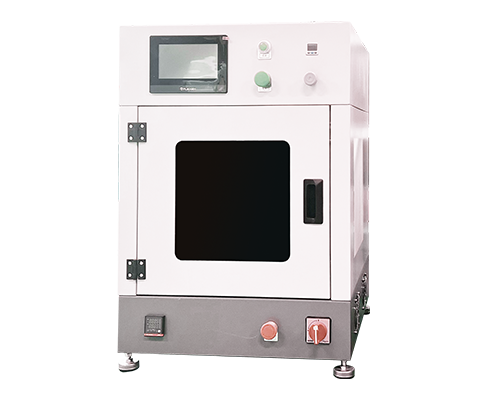
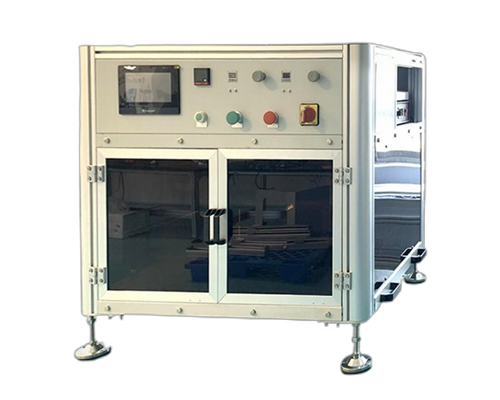
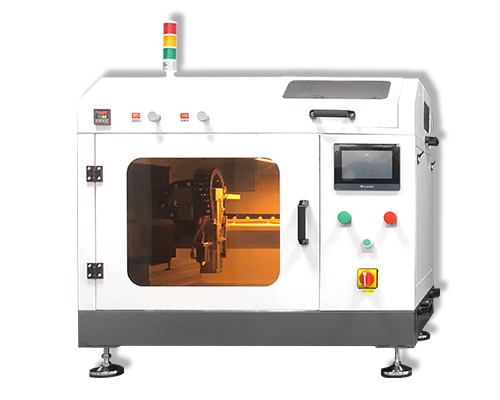
Modular ultrasonic spray equipment covers the full production spectrum from small-scale process development to high-volume industrial manufacturing, supporting multi-nozzle inline setups for automated sensor production lines. This equipment set meets core manufacturing demands such as:
Real-time closed-loop monitoring to guarantee consistent thin film deposition quality
- Economical processing of nanoparticle, polymer and oxide coating materials
- Stable, high-quality thin film output matching high-volume production throughput
- Rapid iteration and development of new thin film sensing functional formulations
EQUIPMENT SOLUTIONS
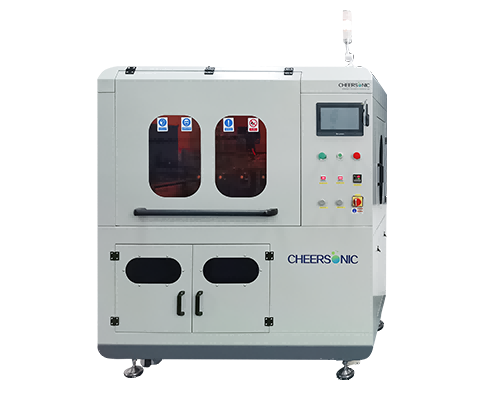
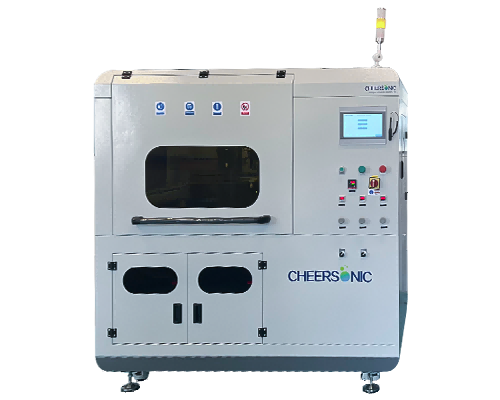
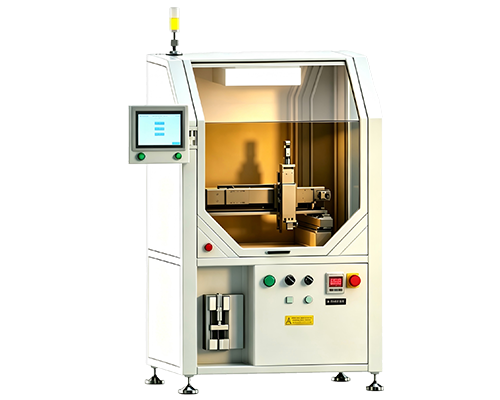
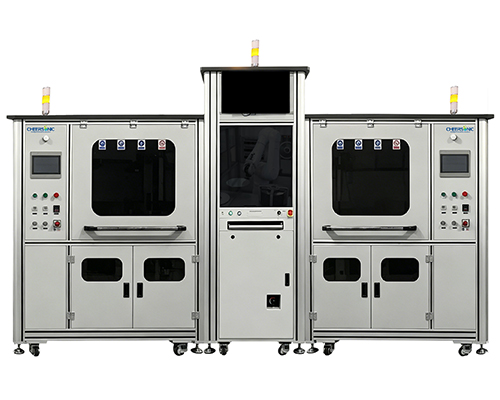
To reach our anytime via email please fill out the form below with your request and a company representative will reply to you. To find your local CHEERSONIC representative to connect directly click your region in the contact drop down menu.

Contact CHEERSONIC For immediate assistance please contact us the corporate headquarters during business hours at 6:00 am – 22:00 pm.
Tel: 0571-87910406
- Mobile: +86 13588732518
- Email: Market2@cheersonic.com
Add: 11-13 Chuangye Road, Changkou, Fuyang, Hangzhou, Zhejiang, China