
Resistance of Hydrogen Production System by Water Electrolysis
Resistance is a key factor causing energy loss in the process of hydrogen production through hydroelectric electrolysis. According to Ohm’s Law, when current passes through a resistor, Joule heat is generated, which cannot be converted into the chemical energy required for hydrogen production, directly reducing the energy efficiency of the system. Therefore, clarifying the composition mechanism of resistors and optimizing them in a targeted manner is the core direction for improving the performance of water electrolysis hydrogen production systems. The resistance in water electrolysis systems mainly comes from three aspects: inherent resistance of the circuit, mass transfer related resistance, and bubble derived resistance. These three factors interact with each other and jointly determine the energy utilization efficiency of the system.
Inherent resistance of circuits: the influence of materials and structures
The inherent resistance of the circuit runs through the conductive circuit of the entire electrolysis system, and its size is determined by the material characteristics, structural parameters, and preparation process of the conductive components, including core components such as wires, connectors, and electrodes. The conductivity of materials is the core influencing factor, for example, the conductivity of metals such as copper and silver is much better than that of ordinary alloys, while the conductivity of electrode materials also needs to take into account catalytic activity. Metal based composite materials with excellent conductivity are usually used. The size parameters of the component are equally critical. The larger the cross-sectional area and shorter the length of the wire, the lower the resistance of the current conduction path; The thickness and porous structure of the electrode need to find a balance between conductivity efficiency and reaction area.
The optimization path for this type of resistor is relatively clear: firstly, selecting high conductivity materials, such as replacing ordinary wires with copper core wires, and using platinum based or nickel based conductive composite materials for electrodes; The second is to optimize the structural design, shorten the transmission distance of wires, and increase the conductive cross-sectional area of key parts; The third is to improve the precision of the preparation process, reduce the contact gap of the connector, and avoid additional contact resistance caused by poor contact.

Mass transfer associated resistance: the core resistance of ion migration
Mass transfer associated resistance is the resistance generated during the migration of ions inside the electrolyte. Its essence is the frictional and diffusion resistance experienced by ions when moving in the electrolyte, mainly influenced by electrolyte characteristics, electrode spacing, and membrane performance. The concentration of electrolyte directly determines the ion density. A low concentration can lead to insufficient ion quantity, while a high concentration may increase the viscosity of the electrolyte and hinder ion movement; The larger the distance between electrodes, the longer the ion migration path, and the resistance naturally increases; As a key component for separating hydrogen and oxygen gases, the material and pore structure of the diaphragm determine the ion permeation efficiency, while also considering the gas barrier performance.
The core of optimizing mass transfer associated resistance lies in improving ion migration efficiency: determining the optimal concentration range of electrolyte through experiments to avoid excessive or insufficient concentration; Reasonably shorten the electrode spacing and reduce ion migration pathways without affecting gas separation; Choosing high ion conductivity membrane materials, such as some proton exchange membranes that undergo special chemical modifications, can improve ion passage rates while ensuring gas isolation. In addition, adding an appropriate amount of functional additives to the electrolyte (such as adding a small amount of metal ions to alkaline electrolytes) can significantly enhance ion activity and further reduce mass transfer resistance.
Bubble derived resistance: dynamic interference in electrolysis process
Bubble derived resistance is a dynamic resistance generated during the electrolysis process and is also the main variable source of system resistance. It mainly comes from the bubbles attached to the electrode surface and the bubbles trapped in the membrane pores. In electrolytic reactions, hydrogen and oxygen are generated on the surfaces of the cathode and anode, respectively. If these bubbles cannot be released in time, they will form a “gas film” on the electrode surface, reducing the effective contact area between the electrode and the electrolyte and hindering electrochemical reactions and ion transport; At the same time, bubbles entering the membrane will block the ion channels, significantly increasing the effective resistance of the membrane – data shows that the actual working resistance of the membrane is usually 3-5 times that of the electrolyte of the same thickness.
The behavior characteristics of bubbles are closely related to the physical properties of the electrolyte: the higher the viscosity and poorer the fluidity of the electrolyte, the slower the rise and detachment speed of bubbles, and the longer the retention time; And temperature indirectly affects the behavior of bubbles by affecting the viscosity of the electrolyte. Typically, a working temperature of 80-90 ℃ can balance the viscosity and reactivity of the electrolyte, improving the efficiency of bubble detachment. Therefore, the forced recirculation of electrolyte has become a key means of regulating bubble behavior, which can not only accelerate the separation of bubbles from the electrode surface and transport them to the gas-liquid separator, but also eliminate the concentration gradient in the electrolyte, evenly distribute the reaction heat, and quickly raise the electrolyte to the working temperature through circulating heating during the system start-up stage.
Core strategies and research directions of resistance regulation
Overall, the bubble effect is a key and difficult point in resistance regulation, and solutions need to be developed from multiple dimensions. In terms of electrode modification, hydrophilic coatings (such as titanium dioxide based composite coatings) can be applied to enhance the adsorption force of the electrode surface on the electrolyte and reduce bubble adhesion; In terms of electrolyte optimization, adding specialized surfactants to reduce liquid surface tension and promote the detachment of bubbles from the electrode surface; In terms of structural design, optimize the internal flow channels of the electrolytic cell and cooperate with the forced circulation system to improve the efficiency of bubble discharge.
At present, the academic community has conducted extensive research on the generation, growth, and detachment mechanisms of bubbles in electrolytic systems, but the dynamic coupling relationship between bubble behavior, electrolyte flow, and electrode reactions still needs to be further explored. In the future, by combining multi physics field coupling simulation with experimental verification, the dominant influencing factors of resistance under different operating conditions will be clarified, providing more accurate theoretical support for resistance regulation and promoting the development of water electrolysis hydrogen production systems towards high efficiency and low energy consumption.
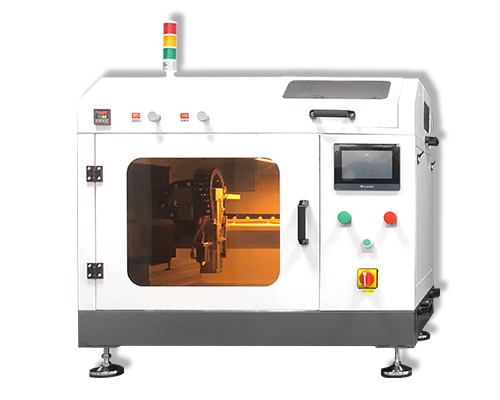
Ultrasonic Spray Catalyst: Key Technology for Efficiency Improvement
Ultrasonic spraying technology provides an efficient solution for catalyst coating, which can significantly improve the efficiency of hydrogen production through electrolysis of water. Its core advantage lies in the use of ultrasonic vibration to atomize the catalyst slurry into micrometer sized uniform droplets, which are accurately deposited on the electrode surface to form a dense coating. Compared with traditional coating methods, this technology avoids the problems of uneven coating thickness and particle agglomeration, fully exposes the active sites of the catalyst, and improves the reaction contact efficiency. At the same time, the coating has strong adhesion and a reasonable pore structure, which not only ensures smooth electronic conduction, but also reserves channels for electrolyte penetration and gas discharge, reducing the additional resistance caused by bubble retention. In addition, this technology can accurately control the amount of catalyst used, reduce costs while avoiding waste of active components, improve electrode catalytic performance by more than 30%, effectively reduce electrolysis cell pressure, and promote the energy efficiency of hydrogen production systems to a new level.
About Cheersonic
Cheersonic is the leading developer and manufacturer of ultrasonic coating systems for applying precise, thin film coatings to protect, strengthen or smooth surfaces on parts and components for the microelectronics/electronics, alternative energy, medical and industrial markets, including specialized glass applications in construction and automotive.
Our coating solutions are environmentally-friendly, efficient and highly reliable, and enable dramatic reductions in overspray, savings in raw material, water and energy usage and provide improved process repeatability, transfer efficiency, high uniformity and reduced emissions.
Chinese Website: Cheersonic Provides Professional Coating Solutions
