
Ionic effects in electrolysis of water using dry cathode alkaline AEM
In the dry cathode alkaline anion exchange membrane (AEM) electrolysis of water (AEMWE) technology, AEM is the core component that determines system performance. The ideal AEM needs to meet multiple performance indicators simultaneously: high hydroxide ion conductivity to ensure ion transport efficiency, excellent mechanical strength and thermal stability to adapt to electrolysis conditions, moderate water absorption (WU) to balance ion conductivity and structural stability, and good chemical stability to resist alkaline corrosion. The core structural feature of AEM is the cationic groups grafted onto the polymer backbone, which not only endow the membrane with selective permeability to anions, but also serve as the core carrier for ion conductivity.
As a key component of AEM, the anionic transport capacity of ionomers largely depends on the membrane’s water retention capacity (WU) – the migration of OH ⁻ needs to occur in the form of hydrated ions, and the maintenance of water content within the membrane directly affects the integrity of ion transport channels. Although the Daonan exclusion effect can significantly inhibit the permeation of electrolytes such as potassium hydroxide (KOH), there may still be trace residual permeation phenomena in ion solvation membrane systems or high concentration KOH (≥ 1 M) environments. This kind of permeation can disrupt the ion selectivity of the membrane and may accelerate the performance degradation of the electrode catalytic layer, so it is important to avoid it in practical applications.
The ion exchange capacity (IEC) of the membrane is a core physical parameter for regulating water retention capacity (WU), which makes IEC a key factor in dry cathode configuration, especially in high current density long-term operation scenarios, where water management efficiency directly determines the stability and energy consumption level of the electrolysis system. From a definition perspective, IEC represents the number of exchangeable ions per unit weight of AEM, commonly measured in meq · g ⁻¹ or mmol · g ⁻¹. Currently, mainstream IEC measurement methods include titration, spectroscopy (such as UV Vis), and ion selection, which can achieve accurate quantification by directly or indirectly measuring the exchange capacity of H ⁺ or OH ⁻.

The core feature of dry cathode configuration is to rely on the diffusion of water generated by the anode to the cathode to maintain the reaction environment. Therefore, optimizing water management has become the core proposition of this technology, which makes it particularly important to clarify the relationship between IEC, WU, and electrolytic cell voltage. The molecular structure of AEM consists of a polymer skeleton and functional groups. In traditional designs, quaternary ammonium groups are often used as cationic functional groups, which are connected to polymer skeletons such as polystyrene, polysulfone, polyether sulfone, or polyphenylene ether through benzyl methylene. In recent years, imidazolium cationic groups and metal (ruthenium) based cationic groups have gradually been applied, and different functional groups exhibit distinct performance differences: the advantage of quaternary ammonium groups lies in their high OH ⁻ conductivity, while imidazolium groups exhibit better chemical stability. The current mainstream commercial membranes are still mainly based on quaternary ammonium groups, and there are still a few commercial products that use imidazolium cationic groups.
Developing ionomers and AEMs with gradient IEC and WU to adapt to the water transport characteristics of dry cathodes has become a research hotspot. A research team has designed four types of piperidinium based ionomers, including poly (fluorene co biphenylpyridinium-14) (PFBP-14), poly (fluorene co triphenylpyridinium-8) (PFTP-8), PFTP-13, and cross-linked x-PFTP, and selected three PFTP based ionomers to prepare AEM. Experimental data shows that PFTP-13 based AEM has a WU of up to 73% when the IEC is 2.80 mmol · g ⁻¹; Under the same testing conditions, the WU of PTFE reinforced commercial AEM was only 36%, highlighting the advantages of laboratory customized ionomers in water retention performance.
It is worth noting that in the full range of IEC testing, there was no clear linear correlation between the WU values of commercial and laboratory membranes. This irregular characteristic may be related to the coupling of multiple factors such as the micro pore structure, functional group distribution uniformity, and polymer chain aggregation state of the membrane. In terms of electrolytic performance testing, under the conditions of 60 ° C and 1 A · cm ⁻ ² constant current density, the electrolytic cell voltage of laboratory membranes is generally slightly lower than that of commercial membranes, but it also does not show a regular trend matching IEC or WU, which further illustrates the complexity of multi parameter interaction in dry cathode systems.
In addition to the performance of the membrane itself, the amount of electrode side ionomer and binder content also have a significant impact on the system performance. The test of cathode ionomer content in the range of 10% -40% shows that the optimal ratio is 25%, which can achieve a low electrolysis voltage of 2 V for AEMWE at 60 ° C and 3.5 A · cm ⁻ ² current density. In the study of anode PTFE binder content (5-20 wt%), samples with low binder content (5 and 9 wt%) exhibited higher current density at a constant voltage of 1.8 V in the initial stage, but poor long-term stability; After 1300 cycles, the 20 wt% high binder content sample can still maintain a current density of 1.07 A · cm ⁻ ² at 1.8 V, which is much higher than the low content sample (reduced to<0.4 and<0.6 A · cm ⁻ ², respectively). This performance reversal is due to the fact that high binder content can reduce catalyst loss and optimize electrode pore structure to improve mass transfer efficiency and reaction kinetics. To further analyze the water management mechanism of dry cathodes, researchers used neutron imaging technology to observe the water distribution characteristics of two types of IEC samples (1.8-2.2 meq · g ⁻¹) and high (2.3-2.6 meq · g ⁻¹) at high current densities, confirming the significant water distribution imbalance within the membrane electrode assembly (MEA). The experiment found that the cathode configuration supplied with 0.1 M KOH had better membrane wettability, and the electrolysis voltage was significantly lower than that of the dry cathode configuration when the current density was>0.6 A · cm ⁻ ²; The 6-hour degradation test at 1 A · cm ⁻ ² further showed that the initial 2-hour degradation rate of the dry cathode configuration was significantly higher, with a degradation rate of 75 mV · h ⁻¹ for the medium IEC sample and 45 mV · h ⁻¹ for the high IEC sample, while the stability of the KOH supply configuration remained optimal.
The chemical stability of AEM in alkaline environments is another key factor determining the system’s lifespan. The nucleophilicity of OH ⁻ may lead to polymer skeleton fracture or functional group damage, thereby reducing IEC and mechanical properties. In traditional systems, the main degradation pathways of functional groups include nucleophilic substitution (SN2), Hofmann elimination, and formation of ylide intermediates; In the dry cathode configuration, the concentration of free OH ⁻ is significantly reduced. Although it can inhibit the degradation reaction dependent on nucleophilic attack mentioned above, the locally generated reactive oxygen species during the electrolysis process may still trigger free radical oxidation degradation. At present, multiple reviews have systematically elucidated the degradation mechanisms of AEMs with different structures in traditional systems, but specialized research on dry cathode configurations is still blank, posing challenges to the understanding of membrane/ionomer degradation laws.
Future research needs to make breakthroughs in two aspects: firstly, combining Fourier transform infrared spectroscopy (FTIR), nuclear magnetic resonance (NMR), electrochemical impedance spectroscopy (EIS) and other technologies to establish an in-situ analysis method for AEM degradation under dry cathode conditions, clarifying the degradation pathway and micro mechanism; Secondly, the system will conduct IEC regulation experiments and construct a quantitative correlation model between IEC-WU and electrolysis voltage, providing theoretical support for the structural design of dry cathode specific AEMs.
The ultrasonic sprayer, with its advantages of uniform atomization and dense coating, has become an ideal preparation equipment for AEM (anion exchange membrane) fuel cell cathodes. The core principle is to convert electrical energy into high-frequency vibration through an ultrasonic transducer, causing the cathode slurry (containing catalyst, binder, solvent, etc.) to break down into micrometer sized droplets, which are precisely deposited on the surface of AEM to form a catalytic layer.
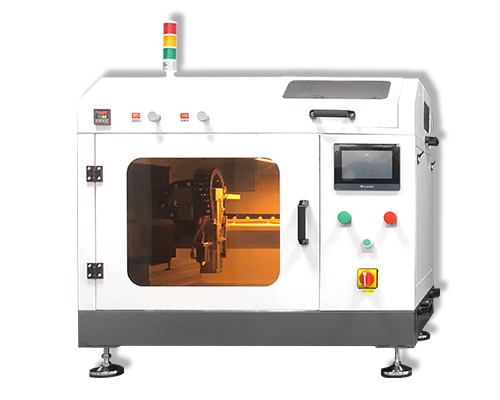
When preparing, it is necessary to first adjust the viscosity of the slurry to 5-20 mPa · s to ensure atomization stability. Set the ultrasonic frequency to 20-40 kHz, spray pressure to 0.1-0.3 MPa, and nozzle movement speed to 5-10 mm/s to ensure uniform and controllable coating thickness within 10-30 μ m. During the process, it is necessary to maintain a humidity of 40% -60% in the spraying environment to avoid rapid solvent evaporation and coating cracking.
This technology can reduce catalyst agglomeration, increase the contact area of the three-phase interface, while reducing the porosity of the coating and enhancing electronic conductivity. Compared with traditional spraying, the utilization rate of the cathode catalytic layer prepared by it is increased by 15% -20%, which increases the peak power density of AEM fuel cells by about 10%, and the batch stability is excellent, providing support for the large-scale production of AEM devices.
About Cheersonic
Cheersonic is the leading developer and manufacturer of ultrasonic coating systems for applying precise, thin film coatings to protect, strengthen or smooth surfaces on parts and components for the microelectronics/electronics, alternative energy, medical and industrial markets, including specialized glass applications in construction and automotive.
Our coating solutions are environmentally-friendly, efficient and highly reliable, and enable dramatic reductions in overspray, savings in raw material, water and energy usage and provide improved process repeatability, transfer efficiency, high uniformity and reduced emissions.
Chinese Website: Cheersonic Provides Professional Coating Solutions
