
Knowledge-to-Application Path
What Is Electrochemistry?
Understand electrochemical reactions and the conversion between chemical and electrical energy.
- Electrochemical reactions
- Anode & cathode
- Electrolytes
- Electrochemical cells
Oxidation & Reduction
Learn the core redox processes governing batteries, fuel cells and electrolyzers.
- Oxidation
- Reduction
- Electron transfer
- Redox reactions
Oxidation & Reduction
Learn the core redox processes governing batteries, fuel cells and electrolyzers.
- Oxidation
- Reduction
- Electron transfer
- Redox reactions
Electrodes
- Anode
- Cathode
- Current collector
- Gas diffusion electrode
- Porous electrode
Catalysts
- Platinum
- Iridium
- Ruthenium
- Nickel / cobalt / iron
- Carbon-based catalysts
Catalyst Inks
- Ink formulation
- Dispersion
- Viscosity
- Stability
- Sprayability
Electrode Preparation
- Substrate preparation
- Catalyst ink preparation
- Coating
- Drying
- Heat treatment
Ultrasonic Spray Coating
- Fine atomization
- Uniform catalyst deposition
- Precise coating thickness
- Low overspray
- High material utilization
Coating Structures
- GDE coating
- MEA coating
- CCM coating
- Membrane coating
- Porous substrate coating
PEM Fuel Cells
MEA, CCM, GDL, Pt catalyst layers
PEM Water Electrolysis
Iridium, platinum, membrane
electrode assemblies
CO₂ Electrolysis
GDEs, catalyst inks, CO₂ reduction
electrodes
Batteries
Li-ion, Na-ion, solid-state electrode
coatings
Supercapacitors
Carbon materials and conductive
layers
Electrochemical Sensors
Biosensors, gas sensors, functional
electrodes
Hydrogen Production
Electrolyzer electrodes and catalyst
coatings
H₂O₂ Production
Electrode preparation and catalytic
layers
Electrochemical Performance
- Current density
- Voltage
- Overpotential
- Faradaic efficiency
- Tafel slope
Electrode Properties
- Electrochemical surface area
- Porosity
- Conductivity
- Ionic conductivity
- Mass transport
Coating Control
- Catalyst loading
- Coating thickness
- Ink viscosity
- Spray rate
- Drying conditions
Test Your Electrochemical Coating Process
Send us your substrate, catalyst ink or coating requirements for ultrasonic spray coating evaluation.
NEWS
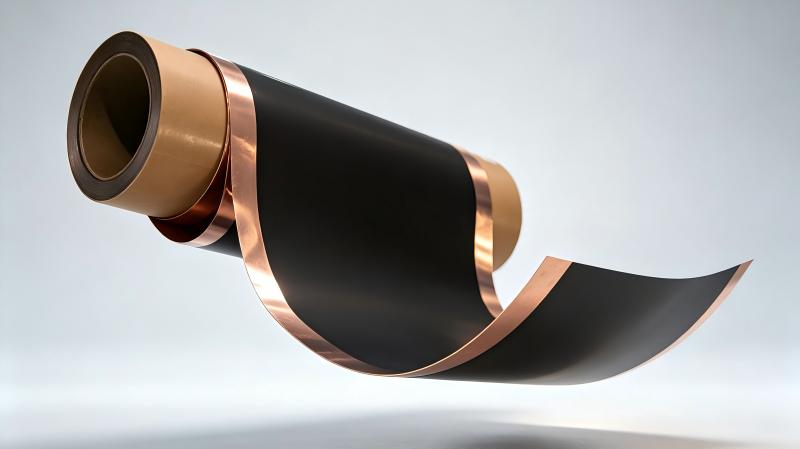
What Is an Electrolyte?
An electrolyte is a substance or medium that contains mobile ions and conducts ionic current. In electrochemical research, it completes the ionic pathway between electrodes and influences charge balance, reaction kinetics, selectivity, and stability. Electrolytes may be aqueous solutions, non-aqueous liquids, polymer gels, molten salts, or solid ion conductors.
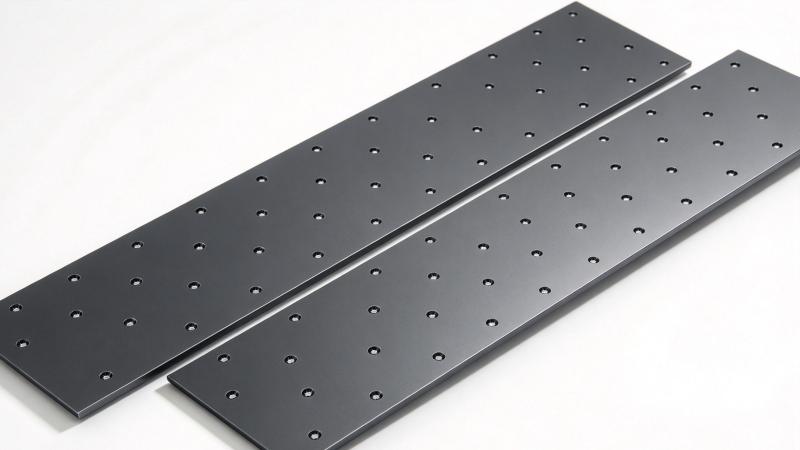
What Is Catalyst Coating?
What is catalyst coating? Learn catalyst ink preparation, ultrasonic spray coating, electrode substrates, process variables and laboratory quality control.

What Is an Electrode?
Learn what an electrode is, how anodes and cathodes work, common electrode types and materials, and why surface preparation and coating quality matter in electrochemical research.
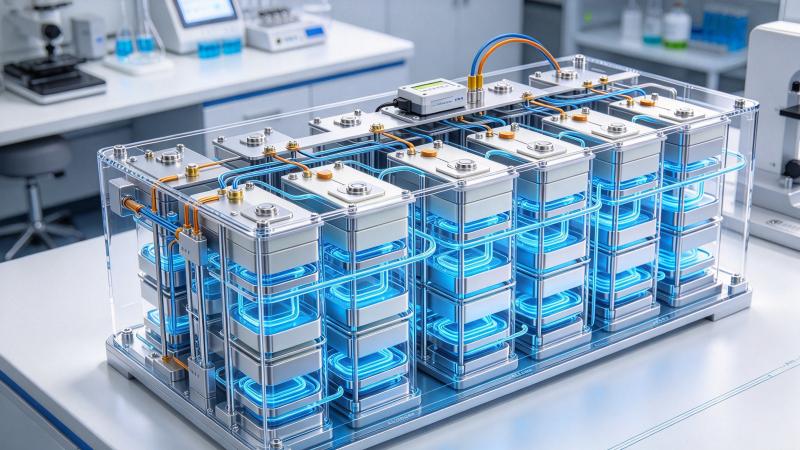
What Is an Electrochemical Cell?
Learn how electrochemical cells work, compare galvanic and electrolytic cells, understand key components and laboratory techniques, and explore why electrode preparation matters.
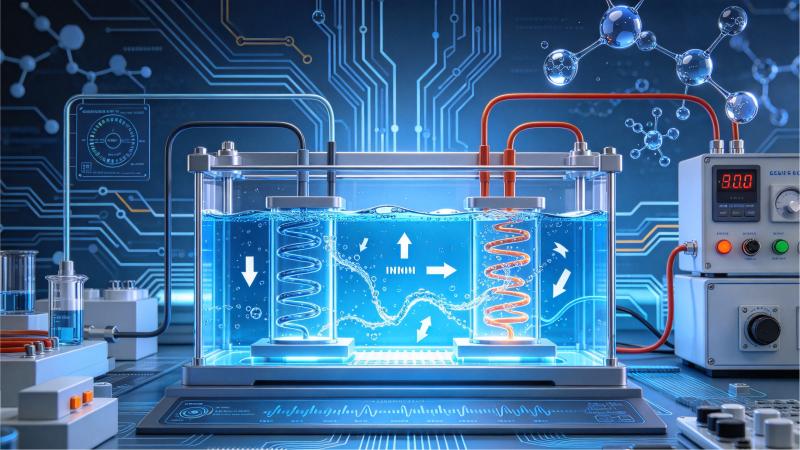
What Is Electrochemistry?
Learn what electrochemistry is, how electrochemical cells and redox reactions work, and why electrode materials and coating quality matter in laboratory research.
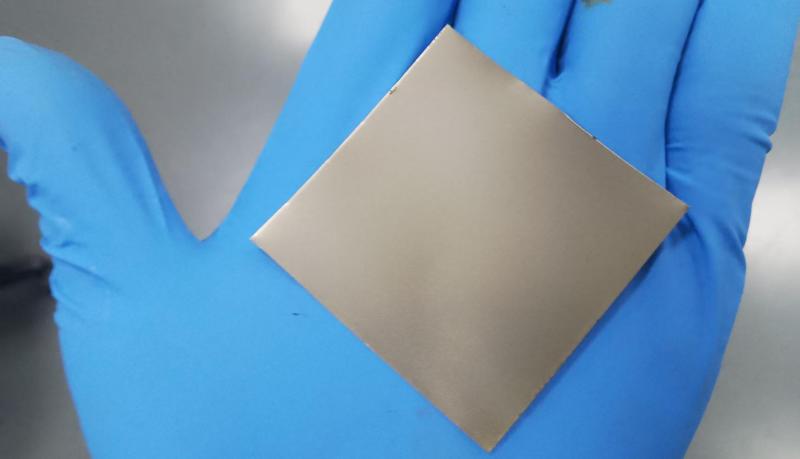
Ceramic Separator Coating Thickness Effect on Lithium Battery Performance
Ceramic Separator Coating Thickness Effect on Lithium Battery Performance Ceramic [...]

Titanium Plate Platinum Coating
Titanium Plate Platinum Coating Chloroplatinic Acid Ultrasonic Spraying Process for [...]
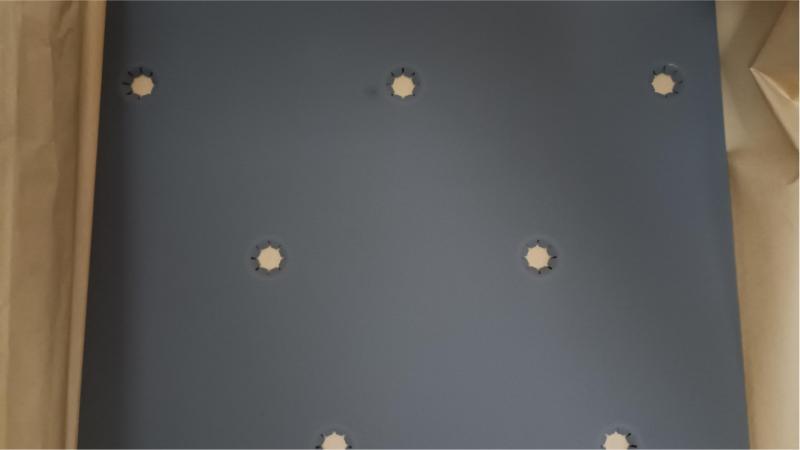
Water Electrolysis Hydrogen Production
Water Electrolysis Hydrogen Production Resistance Characteristics & Optimization of Water [...]
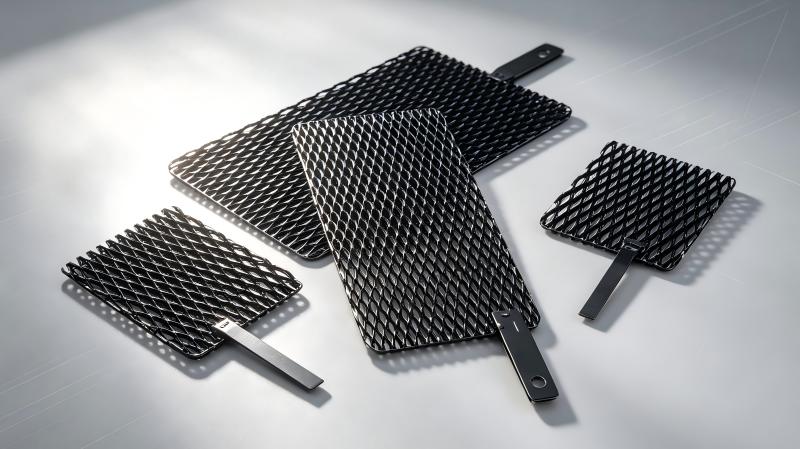
Electrochemistry Knowledge Center
Electrochemistry Knowledge Center Electrochemistry, Electrode Manufacturing & Ultrasonic Coating [...]
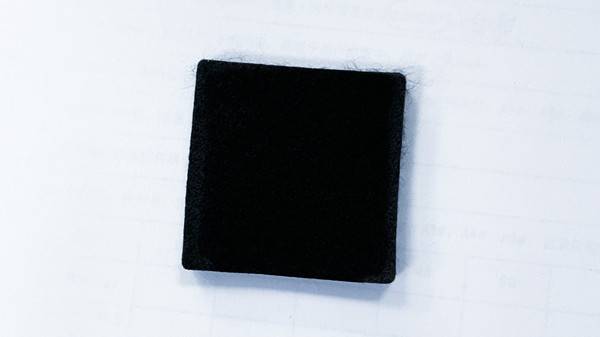
Lab Automatic Membrane Electrode Spraying Equipment
Lab Automatic Membrane Electrode Spraying Equipment Lab Automatic Membrane Electrode [...]
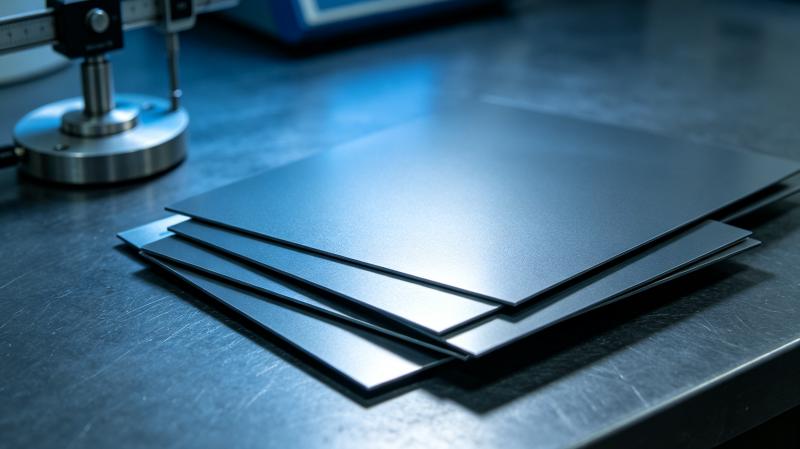
Fabrication of TiO₂ Photoanodes and Electrolyte Layers
Fabrication of TiO₂ Photoanodes and Electrolyte Layers Fabrication of TiO₂ [...]
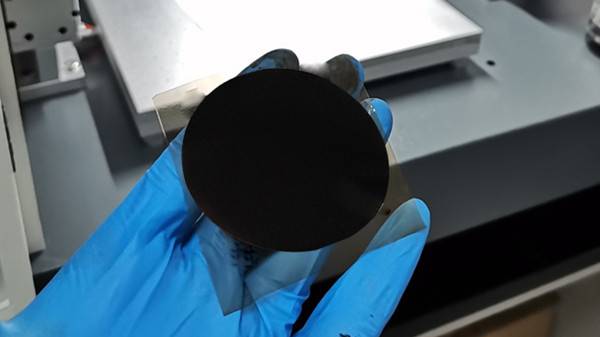
PEM Electrolytic Cell CCM Precision Deposition
PEM Electrolytic Cell CCM Precision Deposition High Temperature Ultrasonic Coating [...]
