
Polymer Electrolyte Membrane Fuel Cell
Polymer Electrolyte Membrane Fuel Cell – Catalyst Coated Membrane – Cheersonic
Fuel cells are devices that change the chemical energy of a fuel (such as hydrogen) and an oxidant directly into electrical energy.
Some different types of fuel cell are hydrogen, phosphoric-acid, and solid oxide. Each one is different and is best used for a specific purpose although all fuel cells work on the same principal. The reaction occurs in a physical piece of equipment called the proton exchange membrane which contains a cation and anion in separate containment areas. When the cation and anion react with one another, a chemical reaction occurs and electricity is the ending product.
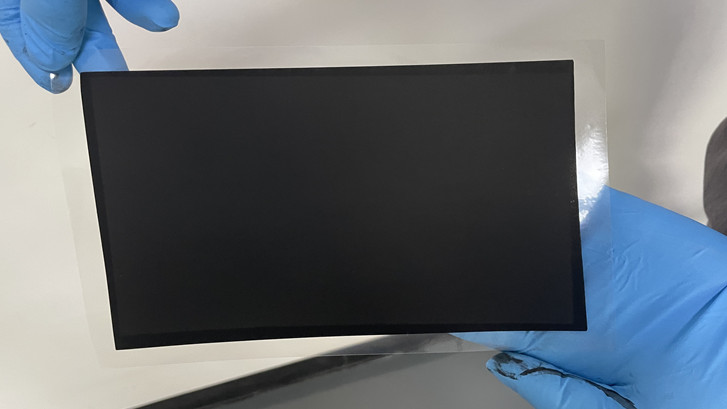
PEMFC stands for polymer electrolyte membrane fuel cell. These cells have the ability to operate at very low temperatures; this is one of the reasons for the use of PEM. The cell has a sandwich like structure which consists of two porous electrodes in Teflon like membrane, which is excellent conductor of protons and an insulator of electrons. The fuel is hydrogen and oxygen. Source of oxygen is natural source, free air and oxygen can be obtain from methanol, ethanol, natural gas, biomass, water treatment plants by electrolysis, thermolysis, photoelectrochemical processes and supplied to anode, where hydrogen ions and free electrons are generated. It is necessary to control the management of water in membrane.
Fuel cells work on low temperature compared to other electrolyte cells at about 800c which makes it rapid startup. They are lightweight and compact. As the electrolyte is solid, so sealing of anode and cathode is far easier. Solid electrolyte is less prone to corrosion which enhances its life time. Fuel cells can recharge by recharging the fuel whereas batteries must be plug in which is time consuming.
There are some disadvantages of fuel cells, fuel availability and storage is main problem. Fuel is hydrogen which is not widely available and is difficult to store. Solid electrolyte works in the presence of water. In this case, moister of cathode and anode becomes important consideration. Cost is also a major factor. Due to its prohibitive price it is being used only in economically competitive applications.
Summarize, fuel cell is not as efficient as other resources of electricity. There are different types of fuel cell present but working on PEM fuel cell gives us the information that it is more reliable and efficient as compared to other types of fuel cell because of its enough good output power, working on low temperature, high current and stack power density. Also there is no dangerous by product. In spite of all these words PEM fuel cell has some limitations about management of water and cost of the catalyst used. Research is being in progress to overcome these problems.
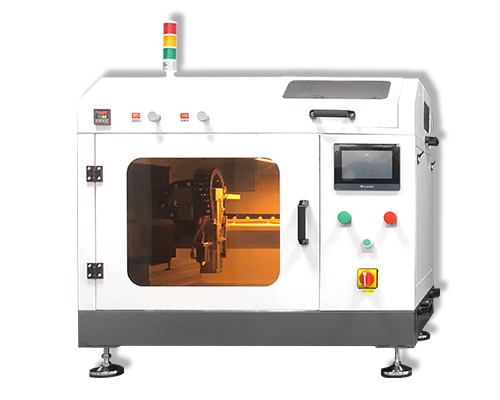
Cheersonic’s fuel cell catalyst coating systems are uniquely suited for these challenging applications by creating highly uniform, repeatable, and durable coatings. Using the company’s patented ultrasonic spray head technology, it can spray uniformly and efficiently on proton exchange membranes and gas diffusion layers. Uniform catalyst coatings are deposited onto PEM fuel cells, GDLs, electrodes, various electrolyte membranes, and solid oxide fuel cells with suspensions containing carbon black inks, PTFE binder, ceramic slurries, platinum and other precious metals. Other metal alloys, including Platinum, Nickel, Ir, and Ru-based fuel cell catalyst coatings of metal oxide suspensions can be sprayed using ultrasonics for manufacturing PEM fuel cells, polymer electrolyte membrane (PEM) electrolyzer, DMFCs (Direct Methanol Fuel Cells) and SOFCs (Solid Oxide Fuel Cells) to create maximum load and high cell efficiency.
The advantages of ultrasonic spraying include:
1.Highly controllable spray that produces reliable, consistent results.
2.Ultra-low flow rate capabilities, intermittent or continuous.
3.Ultrasonic vibrations continuously break up agglomerated particles and keep them evenly dispersed; maximizing platinum utilization.
4.Corrosion-resistant titanium and stainless steel construction
5.The self-cleaning function of the ultrasonic nozzle prevents clogging.
6.The platform takes up less space.
7.80% reduction in paint consumption
8.The particle diameter is optional which can more flexibly affect the through-hole property of the coating
