
Importance Of The Catalyst Layer
Importance Of The Catalyst Layer – Fuel Cell Catalyst Coating Systems – Cheersonic
The catalyst layer is the place where the electrochemical reaction of hydrogen and oxygen in the hydrogen fuel cell generates electric current, which can be said to be the core of the hydrogen fuel cell. Since there are three components participating in the chemical reaction, namely gas (hydrogen and oxygen), electrons and protons, it is required that all three components mentioned above can reach the catalyst surface. Gas has to pass through voids, electrons pass through conductive carriers, and protons pass through ionomers, which place high demands on catalyst layer materials. First it has to be porous so that hydrogen and oxygen can pass through; second it has to be very conductive so that the current can be large; then it has to be in good contact with the ionomer to ensure that the protons can come through; third, the catalyst layer has to be thin , so that the potential loss of the cell due to the proton migration rate and the penetration of the reactive gas into the deep catalyst layer is minimized; finally, the water generated by the reaction must be effectively removed, otherwise the catalyst will be immersed in the water, resulting in the inaccessibility of the gas.
To meet the above five requirements, our solution is to use a novel nanoporous carbon membrane as the material for the microporous layer and catalyst layer, and combine the two into one. The interior of the new nanoporous carbon film is a three-dimensional through-hole porous structure, which facilitates the passage of hydrogen and oxygen, and also facilitates the diffusion of ionomers. Secondly, the new nanoporous carbon film has good electrical conductivity and meets the requirements of electrical conductivity. Then, a catalyst layer with a thickness of several micrometers can be supported on one side of the new nanoporous carbon membrane by spraying a chloroplatinic acid solution and then reducing it with hydrogen to make a very thin catalyst layer. Finally, the new nanoporous carbon membrane is designed with hydrophilic small pores and hydrophobic large pores, so as to realize “water goes through the water channel and air goes through the air channel” and avoid the phenomenon of “water flooding”.
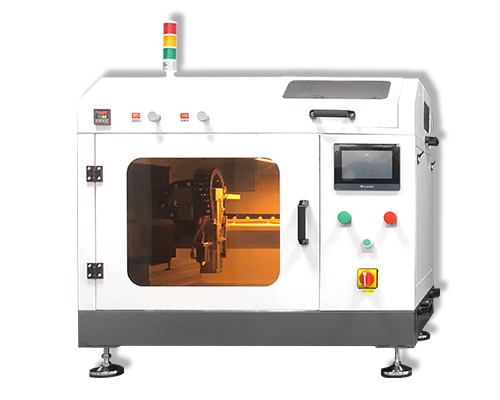
Cheersonic’s fuel cell catalyst coating systems are uniquely suited for these challenging applications by creating highly uniform, repeatable, and durable coatings. Using the company’s patented ultrasonic spray head technology, it can spray uniformly and efficiently on proton exchange membranes and gas diffusion layers. Uniform catalyst coatings are deposited onto PEM fuel cells, GDLs, electrodes, various electrolyte membranes, and solid oxide fuel cells with suspensions containing carbon black inks, PTFE binder, ceramic slurries, platinum and other precious metals. Other metal alloys, including Platinum, Nickel, Ir, and Ru-based fuel cell catalyst coatings of metal oxide suspensions can be sprayed using ultrasonics for manufacturing PEM fuel cells, polymer electrolyte membrane (PEM) electrolyzer, DMFCs (Direct Methanol Fuel Cells) and SOFCs (Solid Oxide Fuel Cells) to create maximum load and high cell efficiency.
The advantages of ultrasonic spraying include:
1.Highly controllable spray that produces reliable, consistent results.
2.Ultra-low flow rate capabilities, intermittent or continuous.
3.Ultrasonic vibrations continuously break up agglomerated particles and keep them evenly dispersed; maximizing platinum utilization.
4.Corrosion-resistant titanium and stainless steel construction
5.The self-cleaning function of the ultrasonic nozzle prevents clogging.
6.The platform takes up less space.
7.80% reduction in paint consumption
8.The particle diameter is optional which can more flexibly affect the through-hole property of the coating
