Ultrasonic Spray Coating of Iridium-Based Titanium Anodes for Oxygen Evolution
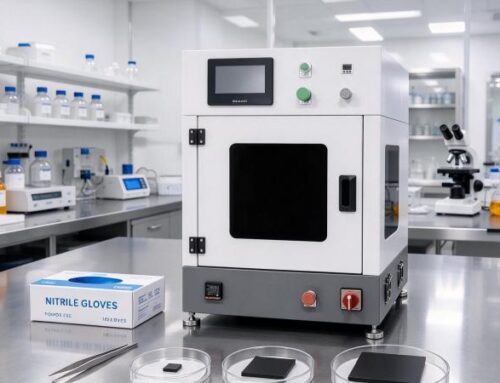
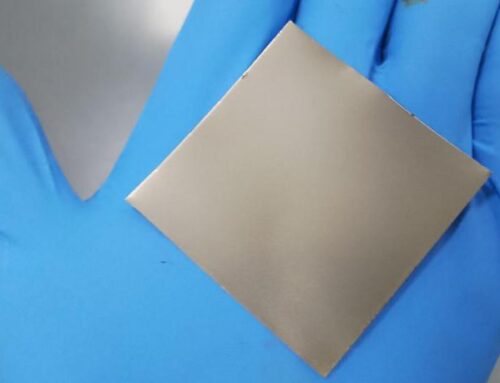
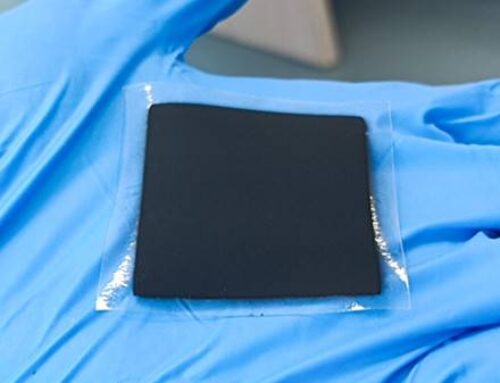
Iridium-based titanium anodes are important in electrochemical systems where a stable catalyst layer is required for oxygen evolution, including selected water-electrolysis and electroplating processes. In these electrodes, titanium provides a conductive and mechanically robust support, while the iridium-containing oxide coating supplies the active surface. Because iridium is a valuable material and coating quality influences electrode performance, manufacturers need a deposition process that controls liquid delivery, surface coverage and loading. Ultrasonic spray coating is a promising option for developing repeatable iridium-based titanium anode processes.
What makes an iridium-based titanium anode different?
Iridium oxide and related mixed-metal-oxide formulations are used where catalytic activity and stability under demanding anodic conditions are important. The precise formulation is application-dependent: electrolyte composition, operating potential, current density, temperature and the desired reaction all influence material selection. An iridium-rich coating may be considered for oxygen evolution in acidic environments, while mixed compositions can be developed to balance activity, durability and cost. There is no single coating recipe suitable for every anode duty.
The titanium substrate must be prepared to support a reliable interface. Cleaning, roughening or other qualified pretreatment steps remove contamination and establish a surface condition suitable for coating. If preparation is inconsistent, even a well-controlled spray process may produce weak adhesion or variable performance. Substrate preparation and thermal conversion should therefore be treated as integral parts of the coating specification.
Why use ultrasonic spray coating for iridium oxide?
Fine atomization for controlled precursor delivery
Ultrasonic nozzles use high-frequency vibration to atomize a liquid precursor into fine droplets. The resulting spray can be delivered with a controlled liquid feed and a relatively gentle carrier-gas flow. For iridium-containing precursor solutions, this makes it possible to develop a defined deposition path and regulate the amount of liquid applied per pass. The process team can tune nozzle settings, traverse speed, substrate temperature and pass overlap to achieve the required coverage.
Thin layers can support controlled thermal processing
Iridium oxide coatings are often produced through repeated deposition and thermal-conversion steps. Applying several controlled thin layers can help manage solvent removal, precursor decomposition and oxide formation. It also gives engineers opportunities to inspect intermediate results and adjust the next pass. The suitable number of cycles and thermal schedule depend on precursor chemistry, substrate design and the required coating loading; they must be established experimentally rather than assumed from a generic recipe.
More efficient use of precious-metal precursors
Because iridium is expensive, unused precursor that becomes airborne or lands outside the active area represents a significant process cost. Ultrasonic spray systems can help reduce overspray and improve transfer efficiency when the nozzle, fixture, exhaust and motion profile are properly matched. Metered delivery also helps manufacturers investigate lower or more precise loading targets without relying on uncontrolled manual application. Actual material savings should be confirmed by mass balance during trials.
Designing a repeatable iridium-titanium coating process
Successful scale-up requires a process specification that covers the complete electrode, not just a small coupon. Engineers should record precursor concentration, liquid flow, atomization settings, carrier-gas conditions, nozzle-to-substrate distance, substrate temperature, scan speed, pass overlap and intermediate heat treatment. They should also define surface preparation, masking, edge coverage and fixture contact locations. These variables interact: a change in liquid flow may require a corresponding change in traverse speed or thermal conditions.
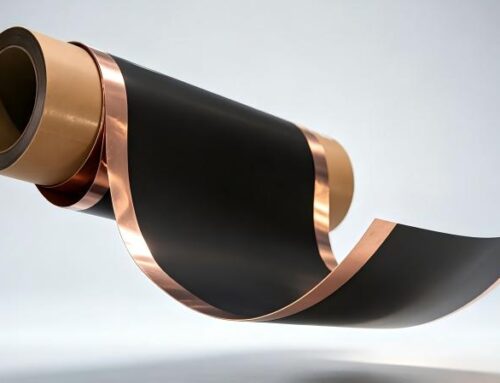
For large plates, programmed scanning or a multi-nozzle arrangement can be evaluated to increase coverage while maintaining a consistent deposition history. Cheersonic can discuss large titanium plate formats up to 1.5 m × 2 m, with the final equipment layout determined by plate geometry, coating chemistry, target throughput and facility constraints. A scale-up study should compare center, edge and corner regions and verify coating mass or thickness distribution across the working area.
How to qualify the coated anode
Visual inspection alone cannot establish electrode performance. A practical qualification plan may combine coating mass measurement, microscopy, adhesion checks, phase or composition analysis where appropriate, and electrochemical tests in a representative electrolyte. Accelerated-life testing can help compare process variants, but the test conditions should reflect the intended application and should not be treated as a direct guarantee of field lifetime. Record results against the process settings so that good-performing samples can be reproduced.
Arrange an iridium coating sample test with Cheersonic
Cheersonic supports R&D teams and electrode manufacturers evaluating ultrasonic deposition for iridium-based titanium anodes. We can discuss precursor properties, target loading, substrate size, thermal steps and the transition from sample trials to automated production. Review our ultrasonic coating equipment solutions to understand the equipment options.
Before the trial, it is helpful to share the plate drawing, active coating area, expected operating conditions and any existing test data. This information allows the engineering team to define a practical sample plan and meaningful comparison points. Contact market2@cheersonic.com to discuss your iridium-titanium anode coating project. Send your substrate details and process objectives so our team can help plan an ultrasonic spray sample test.