Spraying Photoresist or Bonding Adhesive onto the Wafer
Precision Ultrasonic Spray Coating: Spraying Photoresist or Bonding Adhesive onto the Wafer
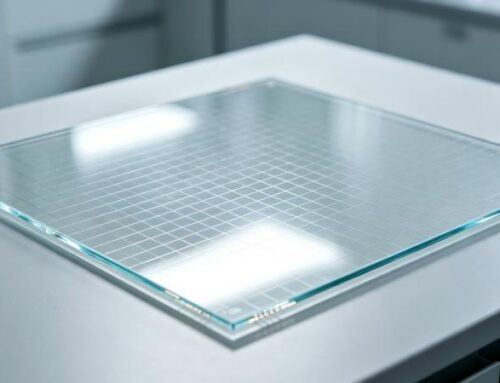
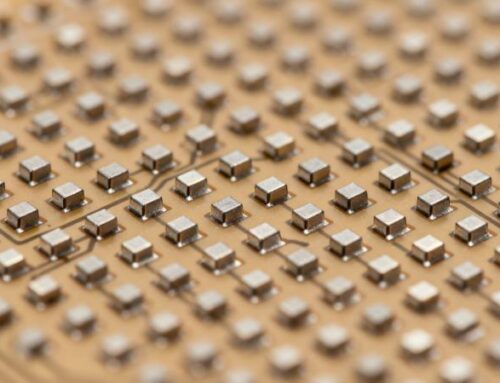
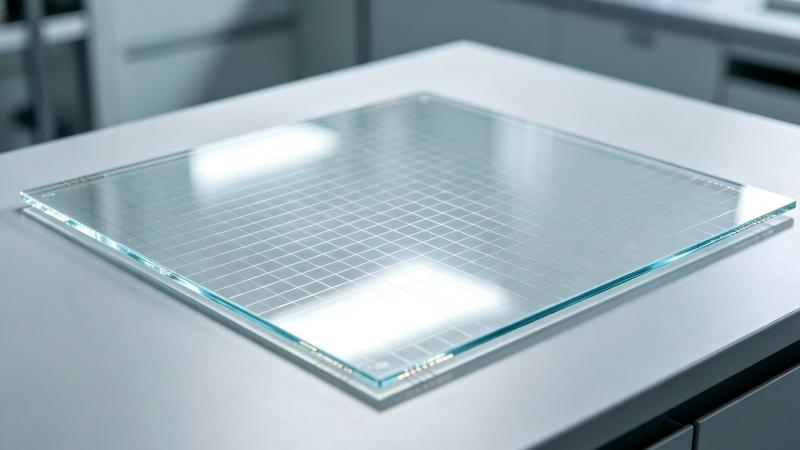
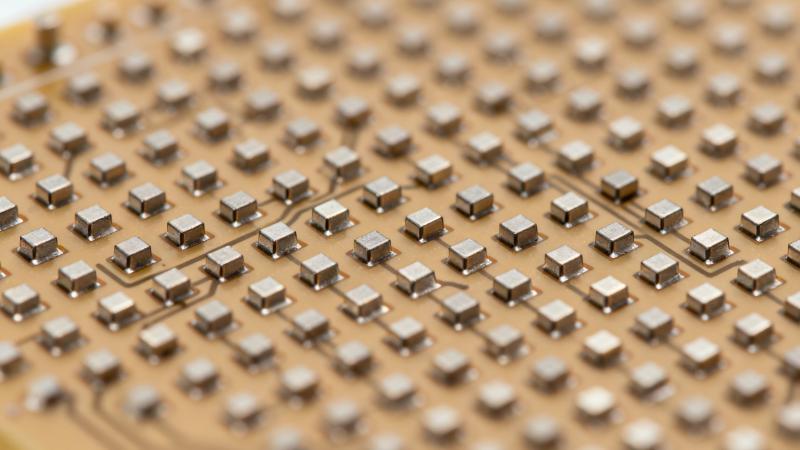
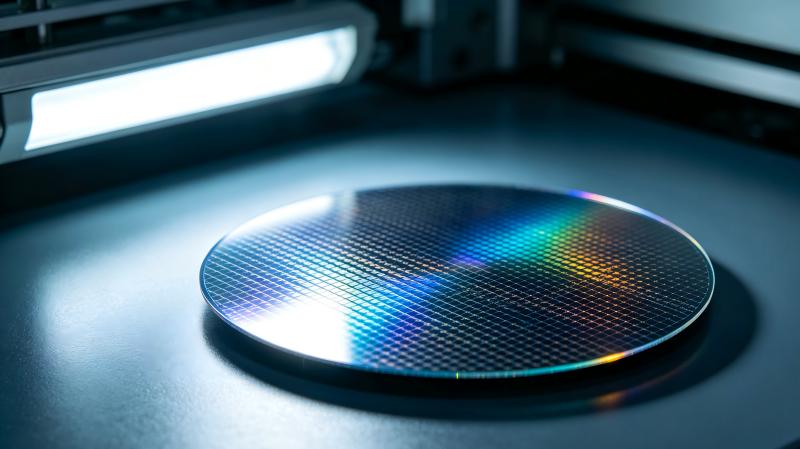
In the relentless pursuit of smaller feature sizes and higher device density, semiconductor manufacturing demands coating processes that defy conventional limits. Traditional spin-coating methods, while familiar, are increasingly challenged by topographical complexities, material waste, and uniformity constraints—especially as wafers grow larger and structures become three-dimensional. Enter the 6000-series ultrasonic spray coating system, a purpose-built platform that redefines how photoresists and bonding adhesives are deposited onto semiconductor wafers.
The Ultrasonic Advantage
Unlike pressure-driven nozzles or high-speed spinning, this system employs high-frequency acoustic energy to atomize liquid precursors into a fine, stable mist. The ultrasonic transducer generates micron‑scale droplets with remarkably narrow size distribution, eliminating the satellite droplets and splashing common in air-assisted sprays. This gentle atomization means that the coating stream carries minimal kinetic energy—a critical factor when treating fragile or already-patterned wafers. The result is a pinhole‑free, conformal film that faithfully follows surface topography, from deep trenches to raised bond pads, without bridging or pooling.
Designed for Demanding Wafer Applications
The 6000 model is engineered specifically for wafer-scale processing. Its integrated heated chuck accommodates standard 150–300 mm wafers, providing precise temperature control from ambient to 150 °C, enabling in-situ drying or pre-bake steps. The closed-loop stage motion system offers programmable X‑Y‑Z scanning trajectories, ensuring that the ultrasonic spray head traverses the entire wafer surface with overlapping passes. Users can fine‑tune spray angle, flow rate, gas flow, and ultrasonic power in real time, achieving film thicknesses from tens of nanometres to several micrometres with ±3% uniformity across the entire diameter—a specification that spin-coating struggles to match on non‑flat surfaces.
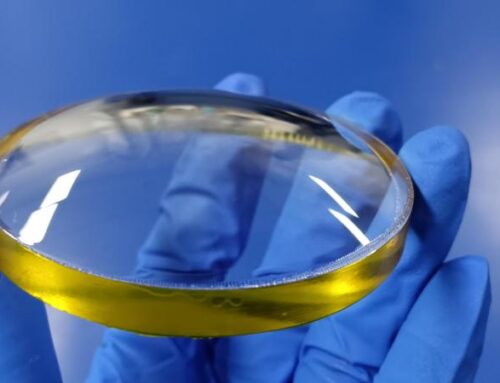
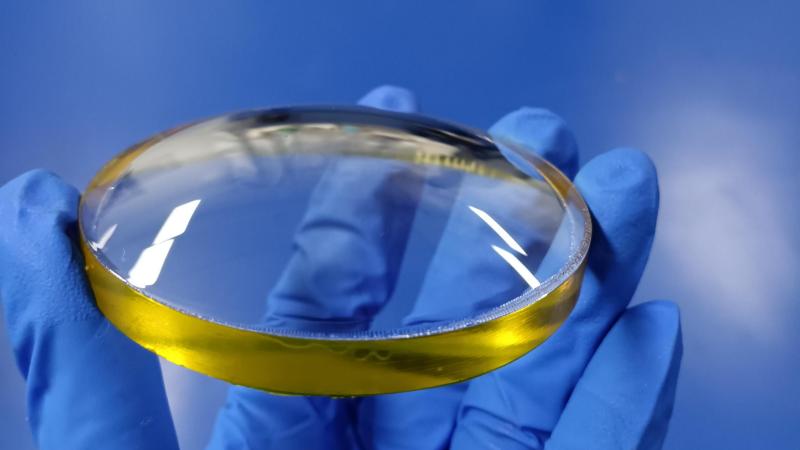
For bonding adhesives—such as polyimides, BCB, or epoxy-based materials—the system delivers exceptional edge definition and minimal overspray. The programmable edge-bead removal function further reduces waste, while the integrated exhaust and collection module captures excess mist, making the process cleaner and more cost‑effective.
Material Savings and Process Flexibility
One of the most compelling economic benefits is material utilization. Spin‑coating typically wastes 70–90% of dispensed photoresist, flinging it off the wafer edge. In contrast, ultrasonic spraying achieves >85% transfer efficiency, depositing nearly all atomized material onto the target surface. For expensive, high‑viscosity resists or specialized adhesion promoters, this translates into immediate cost savings and reduced chemical disposal burden.
Moreover, the system handles a wide viscosity range—from 1 cP to over 100 cP—without nozzle clogging, thanks to the self‑cleaning ultrasonic tip. Changeover between different resist types or adhesives is swift, requiring only a short purge cycle. This flexibility makes the 6000 series equally suitable for R&D pilot lines and high‑mix production environments, where rapid recipe swapping is essential.
Yield-Enhancing Uniformity and Defect Control
Defect density remains the ultimate arbiter of wafer yield. The ultrasonic spray’s low-velocity droplets land gently, preventing resist splashing onto already‑exposed areas. The fine mist also ensures that solvents evaporate uniformly during deposition, reducing the “coffee ring” effect and striation patterns. Combined with the system’s built‑in particle filtration and laminar airflow shield, the coating environment meets Class 10 cleanroom standards, significantly lowering particulate contamination risks.
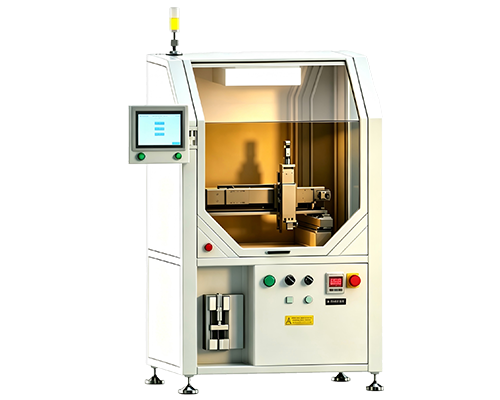
Advanced process control software logs every deposition parameter—temperature, pressure, flow rate, stage speed—and permits closed‑loop feedback adjustments. Automated recipe management ensures batch‑to‑batch repeatability, while the graphical user interface simplifies programming of complex multi‑layer coatings, such as bilayer resist stacks for lift‑off processes.
Reliability and Throughput
Built with industrial‑grade components, the 6000 system supports 24/7 continuous operation with minimal maintenance. The ultrasonic generator includes auto‑tuning for frequency stability, and the nozzle tip is made of wear‑resistant alloy, rated for over 5,000 hours of active spraying. With cycle times under 60 seconds for a standard 200 mm wafer (including spray and drying), it offers throughput competitive with spin‑track tools, while delivering superior step coverage.
Conclusion
As semiconductor nodes progress toward 2 nm and beyond, and advanced packaging relies on wafer‑level bonding, the coating tool must evolve. The 6000‑series ultrasonic spray coater provides a proven, scalable alternative that excels where traditional methods falter—conformal coverage, material efficiency, and process versatility. Whether you are developing next‑generation EUV resists or optimizing temporary bonding adhesives for thin‑wafer handling, this system transforms coating from a bottleneck into a strategic advantage. It is not merely an upgrade; it is a fundamental rethinking of how we put liquid films on silicon.
About Cheersonic
Cheersonic is the leading developer and manufacturer of ultrasonic coating systems for applying precise, thin film coatings to protect, strengthen or smooth surfaces on parts and components for the microelectronics/electronics, alternative energy, medical and industrial markets, including specialized glass applications in construction and automotive.
Our coating solutions are environmentally-friendly, efficient and highly reliable, and enable dramatic reductions in overspray, savings in raw material, water and energy usage and provide improved process repeatability, transfer efficiency, high uniformity and reduced emissions.
If you have any technical questions, customization demands, or procurement inquiries about ultrasonic atomization nozzles, feel free to contact our professional sales and technical team for detailed parameters, customized solutions, and industry application support.
Email: market2@cheersonic.com