Polyimide (PI) Coating Preparation on Glass Substrates
The formation of a polyimide (PI) coating on a glass substrate is a complex process involving precision cleaning, thin film coating, and high-temperature conversion. The entire process aims to prepare a uniform, pure PI film with excellent performance for subsequent processes. The following will break down the process for the two core questions: “How is the PI solution coated onto the glass?” and “How is the PI solution converted into a PI film?”:
Glass Substrate Cleaning
The goal of this stage is to obtain a contaminant-free, active, and perfect substrate. A combination cleaning process is typically used:
– Ultraviolet (UV) Cleaning: The substrate surface is irradiated with UV light of a specific wavelength. This process causes oxygen molecules in the air to dissociate, generating highly oxidizing reactive oxygen species. Simultaneously, the UV energy directly breaks down the molecular chains of organic contaminants attached to the substrate surface, causing them to undergo photodegradation and oxidation reactions, ultimately converting them into carbon dioxide and water vapor for complete removal, thus achieving efficient removal of organic matter.
– High-Pressure Mixed-Flow Spray Cleaning: A high-pressure injected carbon dioxide and ultrapure water mixture is used to form a high-speed micro-jet to physically scour the substrate surface. This mechanism effectively peels off and removes microscopic particles adhering to the surface, achieving a deep cleaning effect.
– Directional airflow drying: The cleaned substrate is dried by an inclined airflow at a specific angle. This airflow guides the water film on the substrate surface to move in a specific direction, eventually converging and being discharged from the substrate edge, thus achieving rapid, residue-free drying and avoiding water stains.
Preheating/Cooling Treatment
After cleaning and drying, the substrate needs to undergo a preheating process, typically at 100°C to 110°C, to thoroughly evaporate any remaining trace moisture and homogenize the substrate temperature. Subsequently, the substrate is cooled to the standard temperature of the cleanroom environment, providing a stable, dry, and temperature-constant substrate for subsequent coating processes.
Ultrasonic Coating:
This step is crucial for forming a uniform PI film. We employ advanced ultrasonic coating technology:
– Pre-coating treatment: Before coating, the PI raw material undergoes a rigorous degassing treatment, lasting approximately 8 to 12 hours, to eliminate dissolved gases in the liquid, preventing bubble defects during coating and bubble rupture during subsequent high-temperature processing. Meanwhile, the multi-stage precision filter built into the degassing system effectively removes potential impurities from the raw materials.
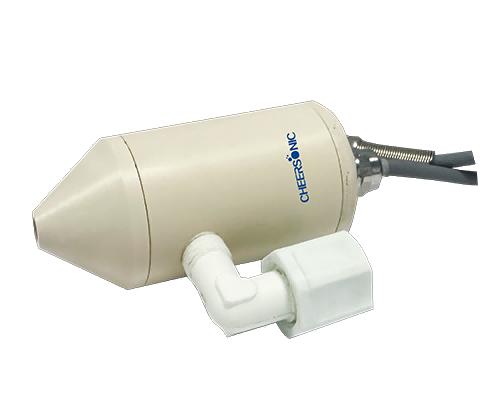
– Ultrasonic Coating Process: This technology utilizes high-frequency ultrasonic energy to produce uniform, fine atomization of the PI liquid. Key process parameters include the frequency and amplitude of the ultrasonic waves, the substrate’s moving speed, and the thickness of the formed wet film (this thickness needs to be precisely calculated based on the target dry film thickness and the solid content of the PI liquid). Compared to other coating methods, ultrasonic coating significantly improves film uniformity and effectively saves materials.
Low-Temperature Decompression Drying
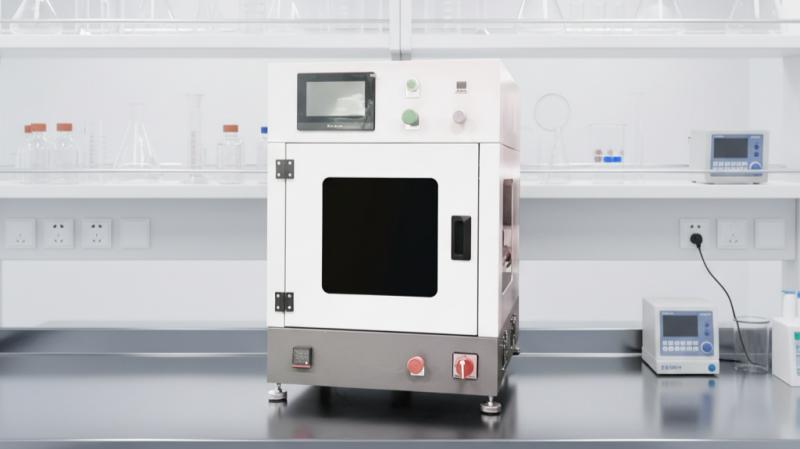
After coating, the substrate immediately enters the low-temperature decompression drying stage. Under a relatively low absolute pressure (approximately 20 Pascals), combined with heating at 80°C to 100°C, the mixed solvent (such as N-methylpyrrolidone) can be rapidly evaporated at low temperatures, thereby removing most of the solvent and initially forming a solid film structure. (5) High-Temperature Imidification Curing
This stage is the key chemical reaction process for converting polyamic acid (PI liquid) into polyimide (PI film), and is usually completed in a temperature-controlled curing device:
– Stepped temperature curing:
– Initial curing (160℃ ~ 180℃, approximately 20 minutes): Further and thoroughly removes the small amount of residual solvent (approximately 20% to 30% of the total) from the film layer.
– Imidification reaction (230℃ ~ 250℃, approximately 20 minutes): In this temperature range, polyamic acid undergoes an intramolecular cyclization dehydration reaction, transforming into a polyimide polymer with high strength and high stability.
– High-temperature strengthening (450℃ ~ 470℃, approximately 20 minutes): Through higher temperature heat treatment, the polyimide molecular chains are arranged more orderly, further improving its mechanical properties, thermal stability, and chemical resistance, ultimately forming a stable flexible film.
– Curing environment control: The entire curing process is carried out in a strictly controlled environment. The equipment typically employs infrared radiation heating to ensure temperature uniformity. Before heating and throughout the process, high-purity nitrogen is continuously introduced into the chamber to expel oxygen, maintaining the oxygen concentration at an extremely low level (e.g., below 100 ppm) to prevent oxidative yellowing of the PI film at high temperatures. Simultaneously, the flowing nitrogen also removes solvent vapors and moisture generated during the curing process.
The optimal curing temperature profiles for PI materials from different manufacturers may vary; fine-tuning must be performed according to the technical guidelines provided by the material supplier during actual operation. Finally, through this series of precisely controlled processes, we obtain a flexible polyimide substrate film layer that meets the performance requirements.
About Cheersonic
Cheersonic is the leading developer and manufacturer of ultrasonic coating systems for applying precise, thin film coatings to protect, strengthen or smooth surfaces on parts and components for the microelectronics/electronics, alternative energy, medical and industrial markets, including specialized glass applications in construction and automotive.
Our coating solutions are environmentally-friendly, efficient and highly reliable, and enable dramatic reductions in overspray, savings in raw material, water and energy usage and provide improved process repeatability, transfer efficiency, high uniformity and reduced emissions.
If you have any technical questions, customization demands, or procurement inquiries about ultrasonic atomization nozzles, feel free to contact our professional sales and technical team for detailed parameters, customized solutions, and industry application support.
Email: market2@cheersonic.com
