Iridium Oxide Coating Peeling Off Insoluble Titanium Electrode
A Comprehensive Analysis of the Core Reasons for Iridium Oxide Coating Delamination on Insoluble Titanium Electrodes
The core causes of iridium oxide coating delamination on insoluble titanium electrodes can be summarized into five categories: material and coating characteristics, preparation process, working environment, load conditions, and mechanical installation. These are also influenced by auxiliary factors such as gas erosion and element diffusion. The following is a detailed breakdown:
Material and Coating Characteristics: Inherently Insufficient Bonding Strength
The bonding strength between the coating and the titanium substrate is crucial to preventing delamination. Defects in the material itself can cause failure at its root:
1. Substrate Material Quality Defects
Insufficient purity of the titanium substrate, containing impurities such as Fe and C, or exhibiting metallurgical defects such as porosity and inclusions, can form micro-cells in the electrolyte, accelerating substrate corrosion and causing the coating to lose support and peel off.
2. Imbalanced Coating Composition
Insufficient iridium oxide content reduces coating stability. Improper proportions of auxiliary oxides such as Ta and Sn weaken bonding strength and corrosion resistance. A lack of Ta₂O₅ significantly reduces corrosion resistance in acidic environments, accelerating coating delamination.
3. Differences in Coating Crystal Structure and Density: Non-rutile crystal structures and porous coatings are easily permeated by electrolytes, leading to oxidation of the titanium substrate, damaging the coating-substrate interface, and ultimately causing detachment.

Preparation Process: Acquired Defects in Coating Quality
Improper operation during the preparation process directly reduces coating quality and shortens service life. Mainstream processes and their problems are as follows:
1. Inappropriate Parameters in Traditional Preparation Methods: Excessively high sintering temperatures (400~600℃) in the thermal decomposition method can cause oxidation of the titanium substrate, forming a brittle TiO₂ layer; insufficient temperature or sintering cycles result in weak coating adhesion, leading to cracking and detachment.
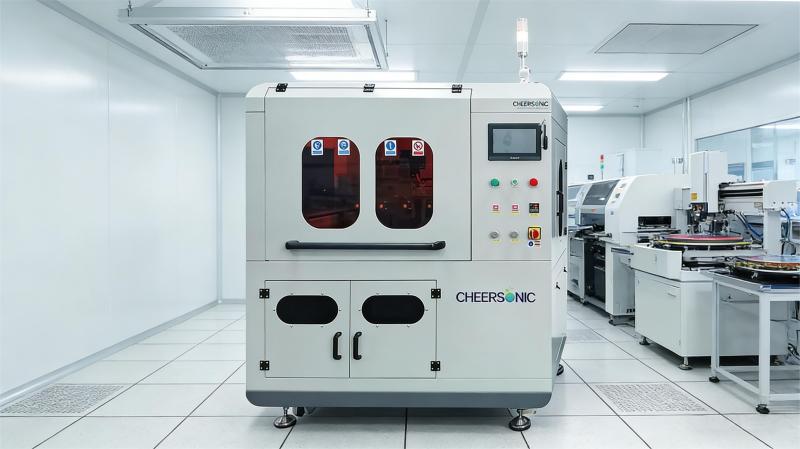
2. Ultrasonic Spraying Preparation Process: This process allows for precise control of coating deposition, resulting in high coating uniformity and low porosity, effectively improving coating density and adhesion; however, improper control of spraying distance, atomization pressure, and slurry flow rate parameters can still lead to uneven coating thickness and insufficient adhesion.
3. Poor Coating Thickness and Uniformity
Coating thickness <5μm is easily consumed by electrolysis; excessive thickness leads to cracking due to accumulated thermal stress. Uneven local thickness results in unbalanced current distribution, accelerating local coating wear and detachment.
4. Incomplete Substrate Surface Treatment
Residual oil, oxide layers, or insufficient roughness due to lack of sandblasting on the titanium substrate surface significantly reduce coating adhesion. Impurities in these areas easily become the starting point for coating detachment.
Working Environment: Electrolytes and Environmental Factors Accelerate Wear
Harsh environments accelerate the electrochemical decomposition and physical wear of the coating, representing a significant external factor:
1. Harsh Electrolyte Conditions
Strong acid environments with pH <3 and strong alkaline environments with pH >11 directly accelerate the decomposition of iridium oxide coatings; low Cl⁻ environments (freshwater, soil) increase the proportion of oxygen evolution reaction, accelerating iridium oxide consumption; electrolyte temperatures >60℃ accelerate the electrochemical decomposition of the coating, shortening its lifespan.
2. High Oxidation-Reduction Potential Environment
Mediums rich in oxidants and dissolved oxygen exacerbate coating oxidation loss; at high potentials, iridium oxide easily decomposes into Ir³⁺ and dissolves, leading to coating detachment.
3. Stray Current Interference
Strray currents generated by high-voltage transmission lines, welding machines, and other equipment can cause abnormal electrode potentials, accelerating coating wear and detachment.
Load Conditions: Operating Parameters Exceeding Design Range
Exceeding operating parameters directly damages the coating structure, causing failure:
1. Exceeding Operating Potential/Current Limits
When the operating potential exceeds 1.5V (vs SCE), the coating undergoes irreversible decomposition; a long-term current density >100A/m² can cause the coating to overheat, generating hydrogen gas at the interface, leading to bulging and detachment, while also exacerbating electrochemical loss.
2. Intermittent Operation and Frequent Power Outages
Frequent start-stop cycles or prolonged power outages easily cause the formation of a TiO₂ passivation film on the coating surface. Re-energizing requires a higher activation potential, compromising coating stability and accelerating detachment.
Mechanical and Installation Factors: Physical Damage to the Coating
Physical forces can directly damage the integrity of the coating, leading to peeling:
1. Mechanical Stress and Physical Damage: Collisions, compressions during transportation and installation, or excessive bending of the strip electrode can cause cracks in the coating. Electrolyte penetration accelerates substrate corrosion, leading to coating peeling.
2. Poor Installation Connections: Loose welding and bolt connections between electrodes and cables increase contact resistance, causing localized overheating. Inadequate insulation at connections can accelerate coating failure due to stray current corrosion.
Other Key Auxiliary Factors
1. Continuous scouring of the coating interface by oxygen during electrolysis causes layer-by-layer corrosion, leading to peeling after crack propagation.
2. Iridium oxide is preferentially consumed, and titanium diffuses and accumulates from the substrate into the coating, further damaging the coating structure and exacerbating peeling.
About Cheersonic
Cheersonic is the leading developer and manufacturer of ultrasonic coating systems for applying precise, thin film coatings to protect, strengthen or smooth surfaces on parts and components for the microelectronics/electronics, alternative energy, medical and industrial markets, including specialized glass applications in construction and automotive.
Our coating solutions are environmentally-friendly, efficient and highly reliable, and enable dramatic reductions in overspray, savings in raw material, water and energy usage and provide improved process repeatability, transfer efficiency, high uniformity and reduced emissions.