
Methanol Fuel Cell Membrane Electrode Coating
Methanol Fuel Cell Membrane Electrode Coating – Fuel Cell Coating Systems – Cheersonic
I. Composition and Function of Membrane Electrodes
MES typically consist of a three-layer structure an anode, a cathode, and an electrolyte membrane. In methanol fuel cells, the main functions of the MES include:
1. Catalysis: The anode and cathode of the MES are coated with catalysts that catalyze the electrochemical oxidation of methanol, releasing electrons and protons.
2. Proton Transfer: The electrolyte membrane has excellent proton conductivity, transferring protons generated at the anode to the cathode, thus enabling electrical energy output.
3. Electron Isolation: The electrolyte membrane effectively isolates electrons, preventing direct electron transfer within the cell and ensuring current flow in the external circuit.
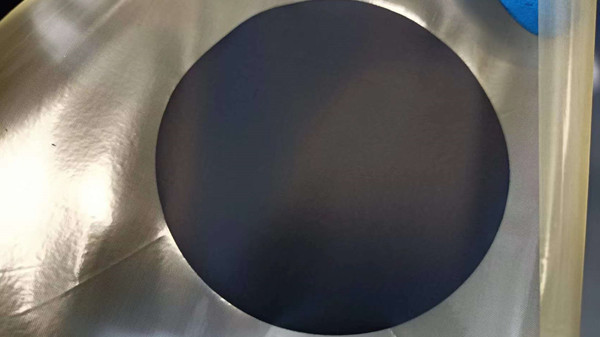
II. Applications of Membrane Electrodes in Methanol Fuel Cells
1. Improved Energy Conversion Efficiency: The MES efficiently catalyzes the electrochemical oxidation of methanol, transferring the generated protons and electrons to the cathode and external circuit, respectively, achieving efficient energy conversion.
2. Enhanced Battery Performance: The performance of the MES directly affects the operating efficiency and performance of the methanol fuel cell. By optimizing the design of the MES and selecting highly efficient catalysts, the power density, energy density, and stability of the methanol fuel cell can be further improved. 3. Promoting the Commercialization of Methanol Fuel Cells: As a key technology in methanol fuel cells, the improvement in membrane electrode assembly (MEA) performance and the reduction in cost are crucial factors driving its commercialization. With continuous advancements in MEA technology and cost reductions, methanol fuel cells are expected to find widespread application in automobiles, portable electronic devices, and other fields.
III. Recent Advances in Membrane Electrode Technology
In recent years, MEA technology has made significant progress, providing strong support for the development of methanol fuel cells. For example, some researchers have improved the catalytic performance and proton conduction performance of MEAs by developing novel catalysts and optimizing the structure of the electrolyte membrane. Furthermore, other researchers have reduced the cost and improved the manufacturability of MEAs by improving their fabrication processes.
IV. Future Development of Methanol Fuel Cell MEAs
With the continuous growth in energy demand and increasing environmental awareness, methanol fuel cells, as a highly efficient and environmentally friendly energy conversion technology, have broad development prospects. In the future, the development of methanol fuel cell MEAs will focus more on improving catalytic performance, reducing costs, and enhancing stability. Simultaneously, with the continuous advancement of related technologies and further cost reductions, methanol fuel cells are expected to be applied and promoted in more fields.
In conclusion, the membrane electrode assembly (MEA) of methanol fuel cells has crucial applications, and its performance improvement and cost reduction are key factors driving the development of methanol fuel cells. In the future, with continuous technological advancements and further cost reductions, methanol fuel cells are expected to play an even greater role in the energy sector.
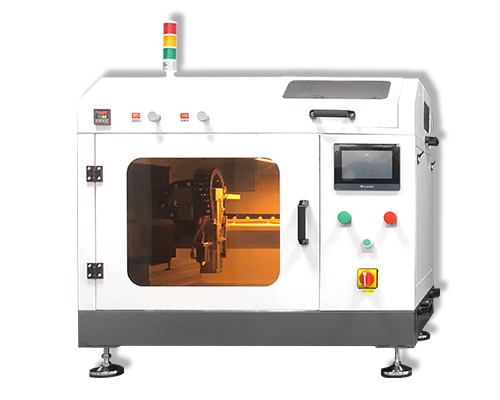
Ultrasonic spraying of methanol fuel cell membrane electrode coating
Ultrasonic spraying is the core precision process for preparing catalytic coatings on methanol fuel cell membrane electrodes. It relies on high-frequency sound waves to atomize the catalyst slurry into micrometer sized uniform droplets, which are gently deposited at low pressure on the proton exchange membrane and gas diffusion layer. This process can accurately control the coating thickness, achieve nanometer to micrometer level adjustability, low coating uniformity error, no agglomeration, no pinhole defects, and effectively avoid film deformation. At the same time, it significantly improves the utilization rate of precious metal raw materials such as platinum, reduces waste, and lowers preparation costs. The prepared catalytic layer has a uniform distribution of active sites and strong interface bonding, significantly improving the proton conductivity efficiency and catalytic reaction rate of the membrane electrode, enhancing the discharge stability and service life of the battery, and adapting to the full process requirements from laboratory research and development to large-scale production.
About Cheersonic
Cheersonic is the leading developer and manufacturer of ultrasonic coating systems for applying precise, thin film coatings to protect, strengthen or smooth surfaces on parts and components for the microelectronics/electronics, alternative energy, medical and industrial markets, including specialized glass applications in construction and automotive.
Our coating solutions are environmentally-friendly, efficient and highly reliable, and enable dramatic reductions in overspray, savings in raw material, water and energy usage and provide improved process repeatability, transfer efficiency, high uniformity and reduced emissions.
Chinese Website: Cheersonic Provides Professional Coating Solutions