Ultrasonic Spray Coating of Ruthenium-Based Titanium Anodes for Chlor-Alkali Processes
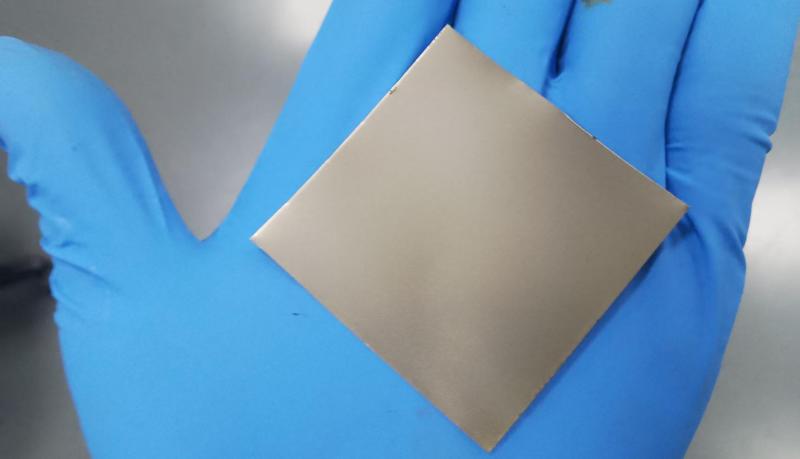
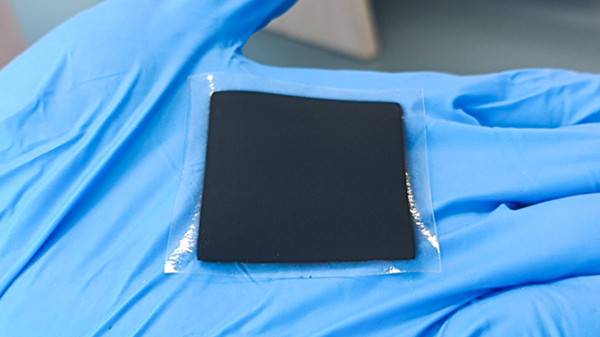
Ruthenium-based titanium anodes are widely associated with chlorine-evolution duties, including chlor-alkali electrolysis and other chloride-containing electrochemical processes. These dimensionally stable anodes typically use a titanium support with a catalytic coating containing ruthenium oxide and other oxides selected for the operating environment. The coating must be distributed consistently and remain attached during service. For manufacturers seeking better control over precious-metal precursor use and coating repeatability, ultrasonic spray coating provides a flexible deposition route for ruthenium-based titanium anodes.
The role of ruthenium oxide in titanium anodes
Ruthenium oxide is valued for its electrocatalytic behavior in chlorine evolution. Commercial and research formulations may combine ruthenium with titanium oxide or other components to adjust catalytic properties, stability and cost. The appropriate composition depends on brine chemistry, temperature, current density, electrode geometry and operating strategy. A formulation that performs well in one cell design should not automatically be transferred to another without testing.
The titanium base offers a strong, conductive structure and can be fabricated as a plate, expanded mesh or other geometry. Its surface condition is essential. Cleaning and qualified pretreatment help remove oils, oxides or residues that may interfere with coating adhesion. The coating process then has to distribute the precursor across the active area while accounting for openings, edges and regions that are difficult to reach.
Ultrasonic spraying: from precursor liquid to oxide coating
Uniform atomization and controlled flow
An ultrasonic nozzle uses high-frequency mechanical vibration to break a liquid into fine droplets. The atomized precursor is transported toward the titanium substrate, where the deposited liquid forms a controlled wet layer. Liquid feed, nozzle position, carrier gas, substrate temperature and relative movement can be adjusted to suit the formulation. Because the deposition is non-contact, it can be applied to broad flat surfaces and, with appropriate fixturing and path design, to selected non-flat electrode structures.
Multiple deposition and heat-treatment cycles
Ruthenium-based oxide coatings are commonly developed through repeated precursor deposition and thermal decomposition. A sequence of thin layers can provide better control over total loading and thermal conversion than a single heavy wet application. Between passes, drying or intermediate heat treatment may be required to remove volatile components and prepare the layer for the next deposition. The final thermal treatment is selected according to the precursor chemistry and desired oxide structure. Temperature, dwell time and atmosphere must be validated for the specific system.
Advantages for chlor-alkali anode manufacturers
- Controlled precious-metal delivery: metered precursor flow and fine atomization help engineers manage ruthenium-containing solution use and reduce unnecessary overspray.
- Coating consistency: programmed scanning and repeatable overlap can reduce operator-to-operator variation across production batches.
- Adjustable loading: pass count and process settings can be tuned during development to investigate the relationship between coating mass and electrochemical response.
- Flexible geometry: fixtures and motion paths can be designed for flat plates, mesh and other titanium electrode formats.
- Scale-up potential: validated sample parameters can inform the design of automated coating equipment for larger substrates and higher throughput.
These are process capabilities, not universal performance guarantees. Final coating uniformity, utilization and electrode life depend on formulation, surface preparation, thermal treatment, substrate geometry and operating conditions. Each project should establish measurable acceptance criteria before production transfer.
Large-area coating and quality control
Large titanium anodes introduce practical challenges: long scan paths, edge effects, fixture shadows, thermal gradients and the need to maintain a stable coating environment over the full plate. Cheersonic can provide ultrasonic spray coating solutions for titanium plate formats up to 1.5 m × 2 m, subject to a review of the substrate and project requirements. A large-area system may use programmed motion, coordinated nozzle passes or a multi-nozzle configuration. The right arrangement depends on the target deposition rate and the time available for drying or heating between layers.
For process qualification, sample coupons should first be coated using representative surface preparation and thermal cycles. Then inspect the center, edges, corners and any geometric transitions. Useful evaluation methods include coating mass distribution, microscopy, adhesion assessment, composition analysis and electrochemical testing under representative brine conditions. For mesh electrodes, coverage on strands and at intersections should be checked separately. Batch records should link each test result to the exact process settings.
From sample trials to production with Cheersonic
Cheersonic works with R&D teams and titanium anode producers to assess ultrasonic coating for ruthenium-based and mixed-metal-oxide systems. Our engineers can review precursor characteristics, electrode dimensions, target loading and the desired production workflow. Explore our ultrasonic coating equipment solutions for an overview of development and production platforms.
A useful first discussion can cover the titanium grade, active surface dimensions, precursor solvent system, target coating mass and thermal-processing limits. These details help determine whether a coupon, mesh section or full-size plate is the right starting sample. To discuss a ruthenium-based titanium anode coating project or arrange an ultrasonic spray sample test, contact market2@cheersonic.com. Include your electrode drawing, coating formulation requirements and intended operating environment so the trial can be planned around meaningful evaluation criteria.