
TPU Coating Equipment
TPU Coating Equipment – TPU Surface Treatment Coating Process – Ultrasonic Coating – Cheersonic
Basic characteristics of TPU material
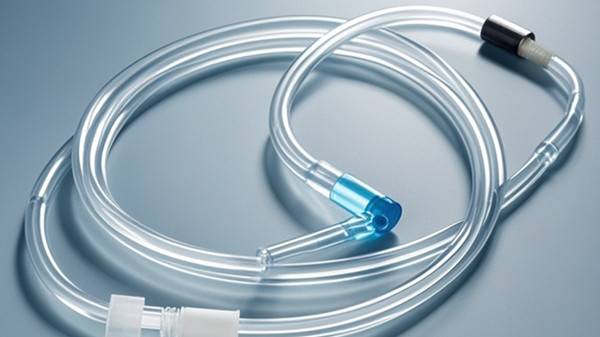
Thermoplastic polyurethane elastomer (TPU), also known as thermoplastic polyurethane rubber, belongs to the (AB) n-type block linear polymer material. With excellent elasticity, wear resistance, and weather resistance, its application scenarios cover a wide range of fields such as shoe material manufacturing, cable insulation layers, functional clothing fabrics, automotive interior parts, medical and health consumables, pipe processing, and film/sheet production.
Selection criteria for TPU coating process
Choosing the appropriate TPU surface treatment coating process requires a comprehensive evaluation based on the following core requirements:
- Wear resistance requirements: TPU products are prone to surface wear due to friction in daily use, and it is necessary to prioritize the use of coating processes with excellent wear resistance to extend the product’s service life;
- Corrosion resistance: Some TPU products require contact with chemical reagents, sweat, or corrosive media in industrial environments, so the coating needs to have strong resistance to chemical erosion;
- Waterproof sealing requirements: For TPU products used in humid environments (such as outdoor products and water related components), the coating should have efficient waterproof properties to avoid moisture infiltration and reduce substrate performance;
- Appearance effect control: Based on product design requirements, select processes that can achieve different surface effects such as smooth glossy, semi glossy, or matte texture to meet appearance design standards.
Common coating processes and characteristics of TPU
1. Solvent based coating process
This process involves uniformly applying solvent based coating onto the surface of TPU substrate. After the solvent in the coating evaporates naturally during the drying process, a uniform and dense coating can be formed on the surface of the substrate. Its core advantages lie in low cost, simple and easy to implement operation process, and stable wear resistance and anti-corrosion performance of the coating, which is suitable for TPU universal product protection scenarios with basic requirements for protective performance.
2. Electroplating treatment process
The electroplating process utilizes the action of electric current to promote the deposition of metal ions on the surface of TPU, ultimately forming a layer of metallic texture coating. This process can significantly improve the wear resistance and corrosion resistance of TPU surface, while endowing the product with a metallic luster appearance effect. However, it should be noted that the cost of electroplating process is high, and the coating thickness is difficult to adjust significantly due to the deposition conditions. In addition, the wastewater generated during the production process needs to be professionally treated to meet environmental protection requirements.
3. Flame oxidation coating process
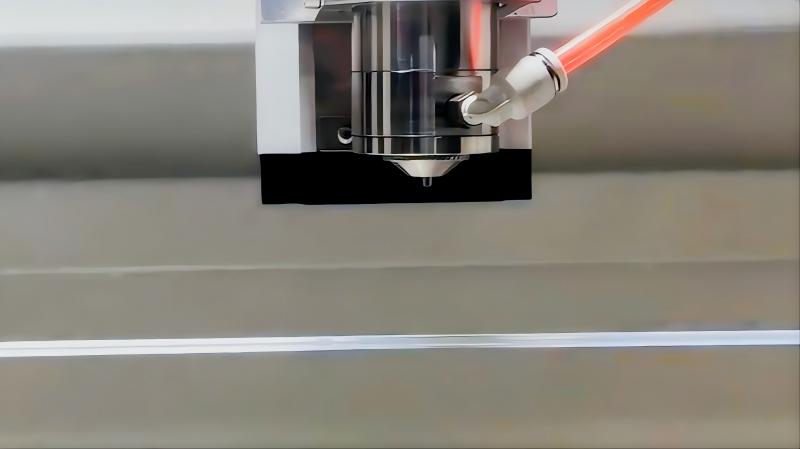
This process involves spraying high-temperature flames onto the surface of TPU to induce oxidation reactions on the substrate surface, thereby forming a layer of oxide coating. Its prominent feature is fast processing speed, which can achieve efficient processing of batch products. However, the durability of the coating is relatively weak, and it needs to be combined with suitable coating auxiliary materials to improve performance stability based on the specific usage environment of the product.
4. Vapor deposition coating process
The vapor deposition process uses special equipment to deposit compounds in a gaseous state on the surface of TPU, ultimately forming thin film coatings with specific functions. This process can accurately control the coating performance, such as strengthening wear resistance, improving waterproofing, etc., but it requires high equipment accuracy and technical operation, and the overall processing cost is relatively high. It is mostly used for surface treatment of high value-added TPU products.
5. Ultrasonic spraying machine coating TPU coating process
As a new and efficient coating process, ultrasonic spraying machine coating technology atomizes TPU coating material into fine and uniform particles through ultrasonic vibration (the atomization particle size can be accurately controlled), and then uniformly covers the TPU substrate surface with the atomized coating material through an intelligent spraying system. Finally, it undergoes low-temperature or high-temperature curing treatment to form a stable coating.
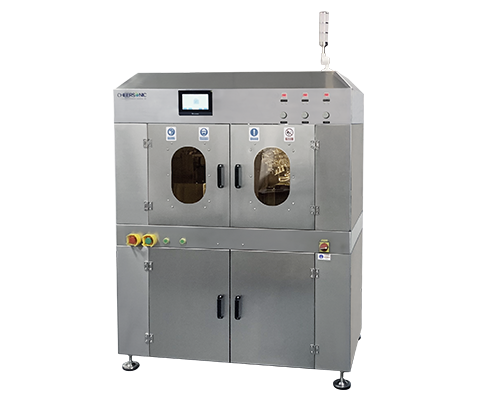
The core advantage of this process lies in its excellent atomization effect, and the uniformity of coating thickness can be controlled within ± 5 μ m; The material utilization rate is over 90%, reducing paint waste; The spraying process has no mechanical stress and no damage to the surface of TPU substrate; Suitable for TPU products with complex shapes such as curved surfaces and microporous structures, especially for precision components that require high coating accuracy, such as electronic device TPU protective cases and medical TPU catheters.
About Cheersonic
Cheersonic is the leading developer and manufacturer of ultrasonic coating systems for applying precise, thin film coatings to protect, strengthen or smooth surfaces on parts and components for the microelectronics/electronics, alternative energy, medical and industrial markets, including specialized glass applications in construction and automotive.
Our coating solutions are environmentally-friendly, efficient and highly reliable, and enable dramatic reductions in overspray, savings in raw material, water and energy usage and provide improved process repeatability, transfer efficiency, high uniformity and reduced emissions.
Chinese Website: Cheersonic Provides Professional Coating Solutions