
The Role of HA in Nanomedicine Delivery
Hyaluronic acid (HA), as an efficient tumor targeted delivery carrier, has shown great potential in the field of tumor therapy and has received high attention from the scientific research community. Its core advantage lies in its excellent biocompatibility, biodegradability, and the ability to specifically bind to CD44 receptors, providing a key molecular basis for targeted delivery.
The molecular structure of HA contains multiple active groups, which can be physically or chemically modified to prepare derivatives and become high-performance drug delivery carrier materials. The following will elaborate on five HA based tumor targeted nanomedicine delivery systems:
1. HA – drug conjugate
This type of delivery system couples drugs with HA through degradable chemical bonds to form prodrug structures, thereby improving drug solubility and pharmacokinetic properties in vivo. For example, the coupling prodrug formed by HA and paclitaxel (PTX) can increase the apoptosis rate of H22 tumor cells by 5 times, and significantly increase the uptake of drugs by cells through CD44 receptor-mediated endocytosis; HA-SS camptothecin (CPT) conjugate can self assemble into nanoparticles with a particle size of 120~210 nm in water. The disulfide bonds in its molecule can degrade in the high concentration of glutathione (GSH) environment inside tumor cells, accelerating drug release. Cell experiments have confirmed that the nanoparticle can significantly enhance the drug uptake and cytotoxicity of 4T1 cells, demonstrating its ability to enter tumor cells through CD44 receptor-mediated endocytosis; In vivo efficacy experiments on tumor bearing nude mice showed that HA-SS-CPT nanoparticles can effectively reduce tumor volume, improve mouse survival rate, and significantly inhibit tumor growth.

2. HA surface modified nanosystems
HA can be used as a surface modification material to modify nanoparticles such as liposomes, carbon nanotubes, and dendritic macromolecules. This modification can not only enhance the tumor targeting ability of nanomaterials, but also prolong the circulation time of drugs in the body. In a mouse xenograft tumor model, HA modified nano formulations have shown superior anti-tumor effects compared to free drugs. For example, by modifying liposomes loaded with mitomycin C (MMC) with HA, tHA LIP liposomes were prepared. This modification can convert the surface charge of the liposomes from positive to negative, significantly prolonging the drug’s blood circulation time. After intravenous injection of B16F10.9 tumor bearing mice, it was found that the enrichment of tHA LIP liposomes at the tumor site was 4 times that of unmodified liposomes (nt LIP) and 30 times that of free MMC; At the same time, tissue distribution experiments showed that tHA LIP liposomes can significantly reduce the accumulation of drugs in the liver and lungs, and alleviate the toxic damage of drugs to normal tissues.
3. HA Nanomicelles
By relying on multiple active functional groups in the chemical structure of HA, different hydrophobic chains can be modified onto the HA skeleton or molecular end to prepare amphiphilic HA derivatives. These derivatives can self assemble into core-shell structured nanomicelles in solution, where the hydrophobic core can effectively encapsulate insoluble anti-tumor drugs, thereby enhancing drug solubility and in vitro stability, providing an effective solution for the delivery of insoluble anti-tumor drugs.
4. HA nano gel
The preparation of HA nano gel can be achieved by the formation of disulfide bond through the cross linking reaction of the mercapto group in HA – thiol group (HA-SH). In the preparation process, the reverse oil in water lotion method can be used to load small interfering RNA (siRNA) into the nano gel formed by HA-SH through physical encapsulation under ultrasonic assisted conditions. In addition, due to the existence of disulfide bonds in the nano gel, the structure of gel can be rapidly degraded under the environment of high GSH concentration in tumor cells, realizing the efficient release of encapsulated siRNA, thereby improving the efficiency of gene silencing, and providing a new idea for the synergistic anti-tumor effect of gene therapy and chemotherapy.
5. HA polymer nanoparticles
Nanoparticles have become a research hotspot in the field of tumor therapy due to their advantages such as small particle size, high drug loading capacity, controllable drug release, good tumor targeting, and long in vivo circulation time. In the study of polymer nanoparticles based on HA, a team prepared HA-SS-PLGA polymer using disulfide bond as the connecting bond. The water-soluble doxorubicin (DOX) and insoluble tumor stem cell signaling pathway inhibitor cyclophosphamide (CYC) were co encapsulated in HA-SS-PLGA nanoparticles using the double emulsion method to construct a dual drug loaded nanosystem (HA-SS-PLGA-DOX-CYC). The inhibitory effect of this system on CD44 highly expressed breast cancer stem cells (including MDA-MB-231 mammary gland bulb, MCF-7 mammary gland bulb and MDA-MB-231 cells) and CD44 low expressed differentiated breast cancer cells (MCF-7 cells) has been included in the focus of investigation, providing an experimental basis for tumor stem cell targeted therapy.
Ultrasonic spraying technology and application of hyaluronic acid coating
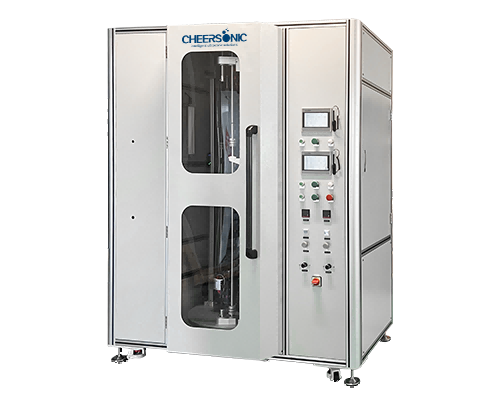
Ultrasonic spraying technology, as a new and precise coating preparation method, has demonstrated unique advantages in the preparation of HA coatings. This technology atomizes HA solution into uniform and small droplets through ultrasonic vibration, and then precisely deposits the droplets on the surface of the substrate through airflow, forming a HA coating with controllable thickness and high uniformity, effectively avoiding problems such as uneven coating thickness and agglomeration in traditional spraying technology. In the medical field, ultrasonic spray HA coating has been widely used for surface modification of implantable medical devices, such as artificial joints, stents, etc. HA coating can endow the surface of the device with excellent biocompatibility, reducing the inflammatory response between the device and the body tissue after implantation; Meanwhile, the moisturizing and biodegradable properties of HA can promote the integration of the device with surrounding tissues, reducing the risk of foreign body rejection. In addition, by adjusting the parameters of ultrasonic spraying, such as vibration frequency, solution concentration, and spraying speed, the functionalization and customization of HA coatings can be achieved. For example, by introducing drug molecules to construct a “coating drug” composite system, the device can achieve local drug release after implantation, further improving the therapeutic effect. This technology provides a new path for the application expansion of HA and has broad development prospects in the field of surface modification of medical materials.
About Cheersonic
Cheersonic is the leading developer and manufacturer of ultrasonic coating systems for applying precise, thin film coatings to protect, strengthen or smooth surfaces on parts and components for the microelectronics/electronics, alternative energy, medical and industrial markets, including specialized glass applications in construction and automotive.
Our coating solutions are environmentally-friendly, efficient and highly reliable, and enable dramatic reductions in overspray, savings in raw material, water and energy usage and provide improved process repeatability, transfer efficiency, high uniformity and reduced emissions.
Chinese Website: Cheersonic Provides Professional Coating Solutions