
The Core Technology of Green Hydrogen
The core technology of green hydrogen: electrolysis of water to produce hydrogen
Green hydrogen can be produced through various renewable energy pathways, such as wind power, hydropower, solar power to drive electrolysis of water, solar photodissociation of water, and biomass conversion. Among them, the use of renewable energy electricity for electrolysis of water to produce hydrogen has become the mainstream method due to its high technological maturity and wide application. Other technologies such as thermochemical hydrolysis, biomass reforming, and microbial electrolyzers are also at different stages of development.
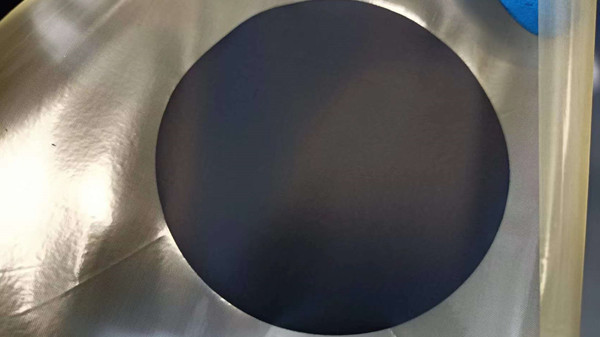
Electrolysis of water to produce hydrogen: the cornerstone of green hydrogen
This technology utilizes electrical energy to decompose water into hydrogen and oxygen. When using renewable energy electricity, the entire process produces zero carbon emissions and produces true ‘green hydrogen’. Its advantages lie in the easy availability of raw materials (water), clean process, high theoretical efficiency, and high product purity. The main challenge is high energy consumption, with electricity costs accounting for 60-80% of the total cost of hydrogen.
At present, the main technological routes for hydrogen production through electrolysis of water include:
1. Alkaline water electrolysis (ALK):
- Principle: Electrolysis is carried out in alkaline electrolyte solution (such as KOH/NaOH).
- Advantages: Mature technology, rich experience, long lifespan (about 15 years), ability to use non precious metal catalysts, large single tank production capacity, relatively low cost, domestic technology close to international level.
- Challenge: Strong alkaline electrolytes are corrosive, and traditional asbestos membranes have environmental issues. The system response speed is relatively slow.
- System composition: The core consists of an alkaline electrolysis cell with numerous electrolysis chambers (composed of bipolar plates, electrodes, membranes, etc.) and an auxiliary system (BOP). In the cost composition, the proportion of stack components and system auxiliary equipment is comparable.
2. Proton exchange membrane water electrolysis (PEM):
- Principle: Using proton exchange membrane as solid electrolyte and pure water as raw material.
- Advantages: High current density, high hydrogen purity, fast response speed, high efficiency, very suitable for fluctuating renewable energy.
- Challenge: It needs to operate in a strong acid and high oxidation environment, relying on precious metal catalysts (platinum, iridium) and special membrane materials, resulting in high costs and relatively short lifespan. There is still a gap between the maximum domestic single tank production capacity (about 260 standard cubic meters/hour) and the international advanced level (about 500 standard cubic meters/hour). The processing difficulty of key membrane materials is high (such as swelling problems), and some rely on imports.
- System composition: PEM electrolytic cell (core components: proton exchange membrane, catalyst layer, gas diffusion layer, bipolar plate) and auxiliary system (BOP). In terms of cost, the electrolytic cell stack accounts for about 45% (with a high proportion of bipolar plate cost), and the system auxiliary equipment accounts for 55%. Optimization of catalyst coating: Ultrasonic spraying technology has advantages in preparing the catalyst layer in the membrane electrode (MEA), the core component of PEM electrolysis cells. It can achieve ultra-thin, uniform, and controllable spraying of precious metal catalysts, significantly improving catalyst utilization and reducing the amount of precious metals used. It is one of the key processes to reduce the cost of PEM hydrogen production.
3. Solid oxide water electrolysis (SOEC):
- Principle: Use solid ceramic electrolyte and operate at high temperatures (500-1000 ° C).
- Advantages: The theoretical efficiency is extremely high (close to 100%), and non precious metal catalysts can be used. The unique advantage lies in the ability to co electrolyze water vapor and carbon dioxide to produce synthesis gas (H ₂+CO), which can be used to synthesize fuels such as aviation kerosene and diesel, with enormous potential for carbon recovery and utilization.
- Challenge: High temperature operation requires extremely high material stability (electrode degradation, short lifespan of sealing materials), slow heating and cooling rates make it difficult to match volatile renewable energy electricity, and low technological maturity.
4. Anion exchange membrane water electrolysis (AEM):
- Principle: Emerging technology uses anion exchange membranes to conduct hydroxide ions (OH ⁻).
- Advantages: Designed to combine ALK’s low cost (which can use non precious metal catalysts such as nickel, cobalt, and iron) with PEM’s high efficiency and fast response. No metal cations, avoiding carbonate blockage issues. Hydrogen has high purity and good airtightness.
- Challenge: The technology is in the stage of research and development and kilowatt level demonstration. The migration rate of anions is slower than that of protons, and the mechanical stability and long-term durability of the membrane need to be improved. The electrode structure and catalyst kinetics need to be optimized. Globally, it is mainly driven by research institutions.
Technical Status and Prospects:
The global installed capacity for hydrogen production through electrolysis of water is mainly ALK (accounting for about 60%), followed by PEM (over 30%), and the proportion of SOEC and AEM is still small. Future technological development needs to focus on:
- ALK: Improve current density, response speed, and develop environmentally friendly diaphragm alternatives.
- PEM: Reduce dependence on precious metals (optimize catalyst formulations, improve utilization rates, such as ultrasonic spraying), develop low-cost high-performance membrane materials, and increase single tank production capacity and lifespan.
- SOEC: Conquer high-temperature material stability and sealing technology, enhance system dynamic response capability.
- AEM: Develop high-performance, long-life anion exchange membranes, optimize electrode and catalyst systems, and promote engineering scaling up.
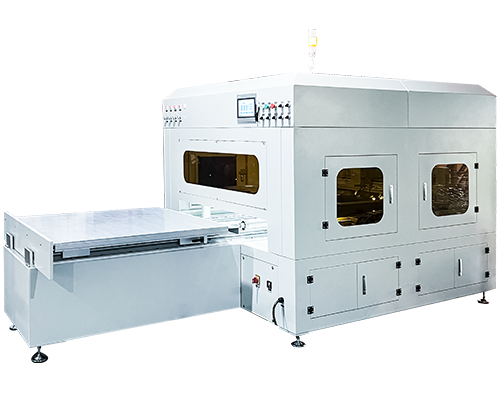
Ultrasonic spraying, as a precise catalyst coating process, plays an important role in improving the performance of PEM electrolysis cell membrane electrodes and reducing the amount of precious metals used. It is one of the key links in promoting cost reduction and efficiency improvement of PEM electrolysis water technology. With material innovation and process optimization, the technology of hydrogen production through electrolysis of water will continue to advance, supporting the large-scale application of green hydrogen.
About Cheersonic
Cheersonic is the leading developer and manufacturer of ultrasonic coating systems for applying precise, thin film coatings to protect, strengthen or smooth surfaces on parts and components for the microelectronics/electronics, alternative energy, medical and industrial markets, including specialized glass applications in construction and automotive.
Our coating solutions are environmentally-friendly, efficient and highly reliable, and enable dramatic reductions in overspray, savings in raw material, water and energy usage and provide improved process repeatability, transfer efficiency, high uniformity and reduced emissions.
Chinese Website: Cheersonic Provides Professional Coating Solutions
