Technological of Hydrogen Production through Electrolysis of Water
Technological of Hydrogen Production through Electrolysis of Water: Moving from Laboratory to Scale
The global installed capacity of electrolytic cells continues to grow, but there are significant differences in the choice of technological routes: alkaline electrolysis technology (ALK) dominates some markets, proton exchange membrane technology (PEM) is growing rapidly, and solid oxide electrolysis technology (SOEC) has achieved breakthroughs in system efficiency. This technological game is related to the future energy landscape. This article analyzes the core characteristics, commercialization process, and future directions of the three mainstream technology paths.
Core Technology Path Analysis
1. Alkaline Electrolysis (ALK): Evolution of Mature Technologies
- Core reaction: Water decomposes into hydrogen and oxygen in alkaline electrolytes.
- Typical parameters: operating temperature of 60-90 ° C, current density of 0.2-0.4 A/cm ², energy consumption of approximately 4.3-5.0 kWh/Nm ³ H ₂.
- Progress: Continuously improving current density and reducing energy consumption.
2. Proton Exchange Membrane Electrolysis (PEM): A High Performance Challenge
- Core components: Solid state polymer electrolyte membrane, precious metal based catalyst (such as iridium based anode).
- Typical parameters: high current density (1.5-3.0 A/cm ²), fast response (<1 second), system efficiency of 65-80%.
- Progress: Focus on reducing the amount of precious metals used (such as using ultrasonic spraying technology to prepare highly active, low load catalyst layers).
3. Solid Oxide Electrolysis (SOEC): High Temperature Efficiency Advantage
- Core mechanism: Utilizing thermal energy at high temperatures (600-1000 ° C) to reduce the electrical energy required for electrolysis.
- Typical parameters: System efficiency can reach 85-95% (cogeneration), with low attenuation rate.
- Progress: Exploring the coupling of industrial waste heat/nuclear energy to reduce costs.
Commercialization Status: Cost and Scenario Adaptation
*Investment cost: ALK has the most cost advantage, followed by PEM, and SOEC has the highest (but can use waste heat to reduce costs).
*Application scenarios:
- ALK: Suitable for large-scale, continuous operation of base supporting projects.
- PEM: Suitable for fast response needs in volatile power sources such as wind/photovoltaic power.
- SOEC: Suitable for industrial scenarios with stable high-temperature heat sources.
Technological innovation direction
1. ALK optimization: Develop high-performance composite membranes and highly active non precious metal electrode materials.
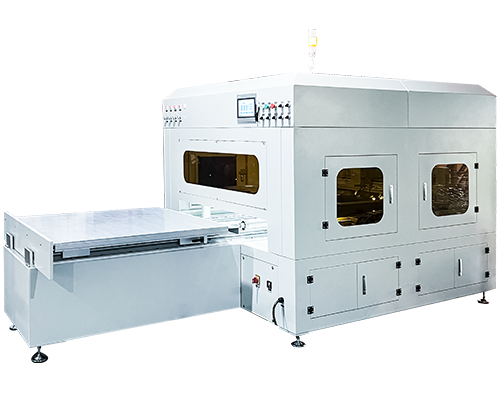
2. PEM cost reduction: Developing low iridium/iridium free catalysts (ultrasonic spraying technology plays a key role in the uniform and ultra-thin deposition of such catalyst layers), optimizing membrane electrode structures, and improving lifespan.
3. Breakthrough in SOEC materials: Developing highly stable electrode materials and heat-resistant cycling metal supports.
4. Emerging paths: Continuous exploration of anion exchange membrane (AEM) technology and direct seawater electrolysis technology.
Future prospects
*Market pattern: ALK is expected to maintain an important position in large-scale base applications, PEM is expected to grow significantly in distributed and fluctuating power scenarios, and SOEC is expected to expand in specific industrial waste heat utilization scenarios.
*Cost trend: There is significant room for cost reduction in all technology routes (PEM and SOEC have greater potential).
*Core driving force: Technological innovation (such as advanced processes such as ultrasonic spraying to improve catalyst utilization and performance), large-scale production, and deepening application scenarios will jointly shape the future diverse and symbiotic hydrogen energy technology ecosystem.
About Cheersonic
Cheersonic is the leading developer and manufacturer of ultrasonic coating systems for applying precise, thin film coatings to protect, strengthen or smooth surfaces on parts and components for the microelectronics/electronics, alternative energy, medical and industrial markets, including specialized glass applications in construction and automotive.
Our coating solutions are environmentally-friendly, efficient and highly reliable, and enable dramatic reductions in overspray, savings in raw material, water and energy usage and provide improved process repeatability, transfer efficiency, high uniformity and reduced emissions.
Chinese Website: Cheersonic Provides Professional Coating Solutions
