
Research Progress on Sodium Ion Batteries
Research progress on sodium ion batteries: material breakthroughs and application prospects
Driven by the global energy transition and the “dual carbon” goal, sodium ion batteries are accelerating their transition from laboratories to industrialization due to their abundant resources and low cost, becoming an important supplement to lithium-ion batteries, especially in the fields of large-scale energy storage and specific transportation, with enormous potential. The development of its core materials, especially the cathode and anode, is the key to improving performance. Ultrasonic spraying technology, as an advanced thin film preparation process, has shown unique advantages in uniformly coating electrode materials (including high-performance catalysts and active substances), and is being explored for optimizing the manufacturing of sodium ion battery electrodes.
Highlights of Core Material Research:
1. High performance layered oxide cathode:
- Progress: The latest research has delved into the prospects of layered sodium transition metal oxides (especially O3 and P2 types) as cathodes for high-energy sodium ion batteries. The research focuses on the structural classification of materials (such as one-dimensional to hexagonal systems), design strategies (element composition control, trace doping, structural engineering), and advanced surface modification techniques (among which ultrasonic spraying can be used to efficiently and uniformly apply functional coatings).
- Challenges and Countermeasures: In response to the common problems of electrochemical decay, irreversible phase transition, and structural instability in layered materials, researchers have proposed various strategies, including optimizing synthesis processes (ultrasonic spraying helps achieve uniform dispersion and precise control of material precursors), element regulation, and interface engineering. These works provide important guidance for the development of high-energy density and long-life cathodes.
2. Advanced hard carbon anode:
- Progress: Hard carbon materials are considered ideal negative electrodes due to their excellent sodium storage properties. The recent review systematically summarizes its development, emphasizing the collaborative promotion through multidisciplinary methods (experiments, computational simulations, data analysis). The research focuses on screening cost-effective precursors and efficient preparation processes (exploring more precise control methods), analyzing the evolution laws of complex microstructures and their correlation with sodium storage mechanisms, establishing the structure-activity relationship between microscopic features and electrochemical performance, and evaluating the potential of various modification strategies (such as pore control, surface functionalization, and heteroatom doping).
- Goal and prospect: The aim is to elucidate the intrinsic relationship between precursor process structure performance, construct a design theory for hard carbon materials, and promote the application of advanced technologies such as ultrasonic spraying in the preparation of high-performance and consistent hard carbon electrode thin layers, accelerating their practical process.
Summary:
The development of sodium ion batteries highly relies on continuous innovation in cathode and anode materials. Layered oxide cathodes have made significant theoretical breakthroughs in improving energy density, while practical research on hard carbon anodes is being carried out through multidimensional optimization. Advanced preparation technologies such as ultrasonic spraying play an increasingly important role in achieving uniform material dispersion, precise coating control, and improving electrode performance, providing strong technical support for the performance optimization and large-scale production of sodium ion batteries. The synergistic progress of these two material systems will greatly promote the practical application of sodium ion batteries in areas such as large-scale energy storage.
About Cheersonic
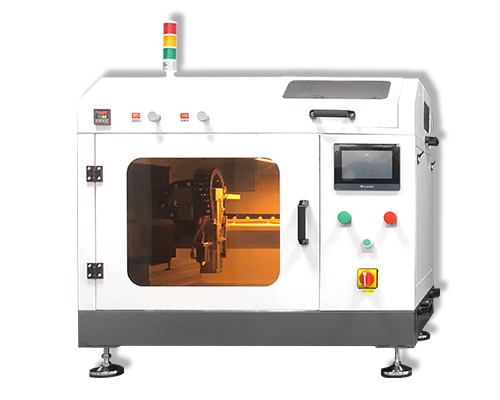
Cheersonic is the leading developer and manufacturer of ultrasonic coating systems for applying precise, thin film coatings to protect, strengthen or smooth surfaces on parts and components for the microelectronics/electronics, alternative energy, medical and industrial markets, including specialized glass applications in construction and automotive.
Our coating solutions are environmentally-friendly, efficient and highly reliable, and enable dramatic reductions in overspray, savings in raw material, water and energy usage and provide improved process repeatability, transfer efficiency, high uniformity and reduced emissions.
Chinese Website: Cheersonic Provides Professional Coating Solutions