Email: market2@cheersonic.com
3 10, 2026

Hydrophilic Polymer Coatings: Controlling Wetting, Swelling, and Film Coverage

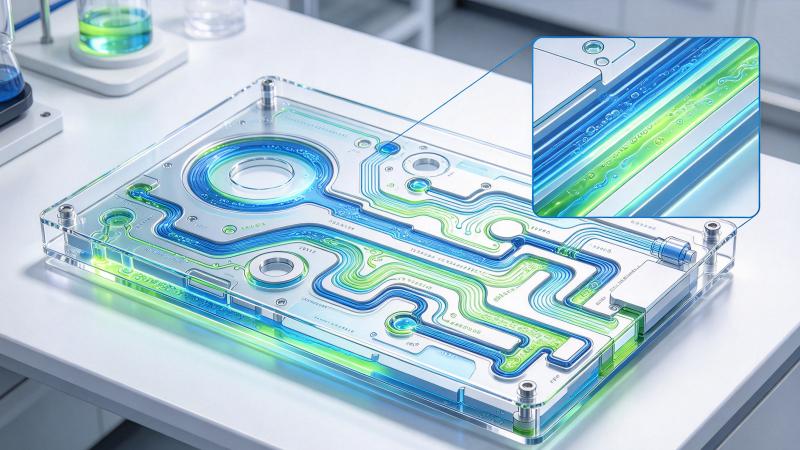
Hydrophilic Polymer Coatings: Controlling Wetting, Swelling, and Film Coverage Hydrophilic polymer coatings are intended to interact readily with water, but a water-attracting finished surface is not automatically easy to manufacture. The coating formulation must first wet the uncoated substrate, form a continuous layer, and survive drying and handling. Its behavior after hydration may differ substantially from its dry appearance. For medical polymer coatings and diagnostic surfaces, development should [...]

2 10, 2026

Medical Polymer Coatings: From Substrate Preparation to Process Validation

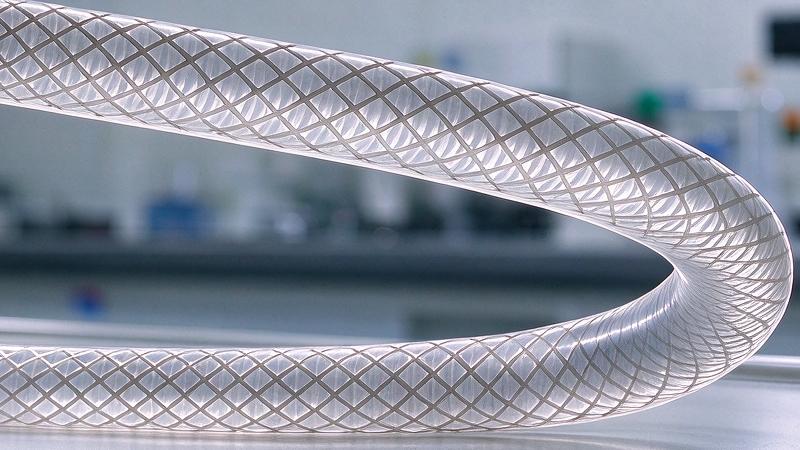
Medical Polymer Coatings: From Substrate Preparation to Process Validation Medical polymer coatings are developed for specific surface functions, such as controlled wetting, lubricity, or a defined interface with another material. Achieving that function requires more than depositing a visually continuous layer. Manufacturers need to understand how formulation preparation, substrate geometry, drying, and subsequent processing affect the finished coating. Ultrasonic spray coating can be evaluated as part of this [...]

2 10, 2026

Ultrasonic Spray Coating Machine for Reflective Mirrors

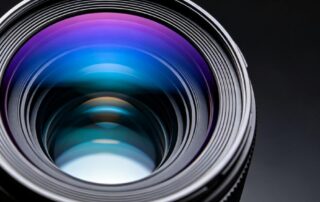
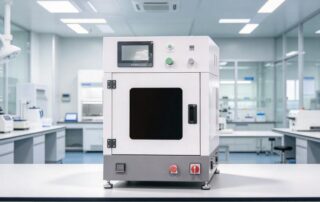
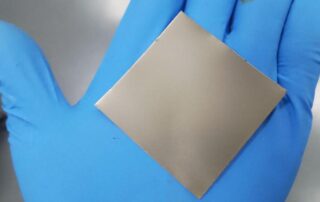
Ultrasonic Spray Coating Machine for Reflective Mirrors Ultrasonic Spray Coating Machine for Reflective Mirrors-Cheersonic Optical reflective mirrors are core components in medical optical equipment, precision detection optical paths, and laser diagnostic instruments. The quality of the coating on the reflective mirror surface directly determines the stability of the optical path, the clarity of the image, and the service life of the entire device. Traditional vacuum evaporation and magnetron [...]

1 10, 2026

Polymer Coatings: Building a Practical Ultrasonic Coating Process

Polymer Coatings: Building a Practical Ultrasonic Coating Process Polymer coatings can change how a surface wets, conducts electricity, resists moisture, or interacts with another material. For manufacturers, the challenge is translating a promising formulation into a repeatable film. A coating that looks acceptable on one laboratory coupon may develop thickness bands, pinholes, or poor adhesion when the coated area or production run increases. Ultrasonic coating is one deposition [...]

1 10, 2026

Ultrasonic Spray Coating Machine for Nano-Silver Conductive Ink

Ultrasonic Spray Coating Machine for Nano-Silver Conductive Ink Ultrasonic Spray Coating Machine for Nano-Silver Conductive Ink With the rapid rise of industries such as flexible electronics, semiconductor packaging, smart sensing, and RFID antennas, nano-silver conductive ink, as a high-performance functional conductive material, has become a core consumable in printed electronics technology due to the excellent conductivity, oxidation resistance, and low-temperature sintering characteristics of nano-silver particles. It is widely [...]

30 09, 2026

Detailed Explanation of Lens Coating (Optical Coating)

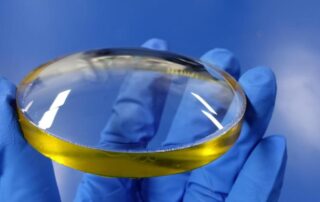
Detailed Explanation of Lens Coating (Optical Coating) Lens coating, also known as optical coating, refers to one or more ultra-thin functional thin films formed on the surface of optical components such as lenses through vacuum deposition techniques, used to improve optical performance, enhance durability, or achieve specific optical effects. Its core principle is based on the phenomena of interference, refraction, and reflection of light, and achieves precise control [...]

29 09, 2026

Analysis of Ceramic Coating Related Technologies and Applications

Analysis of Ceramic Coating Related Technologies and Applications Ceramic coating, as a general term for inorganic non-metallic coatings, specifically refers to spray coatings made with ceramic materials as the core. Its composition includes four categories: oxide coatings, non oxide coatings, silicate series coatings, and composite ceramic coatings. Among them, the commonly used coating materials for oxide ceramics include Al ₂ O3, TiO ₂, ZrO ₂, Cr ₂ O3, [...]

28 09, 2026

Ceramic Separator Coating Thickness Effect on Lithium Battery Performance

Ceramic Separator Coating Thickness Effect on Lithium Battery Performance Ceramic separator is the core component that ensures the high safety of lithium batteries, and its core function comes from the ceramic coating on the surface of the base film, which is usually composed of inorganic particles such as alumina (Al ₂ O3) and boehmite. The current mainstream ceramic coating thickness in the industry is concentrated in the range [...]

27 09, 2026

Carbon Powder Type

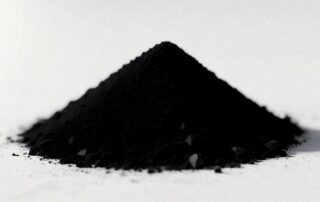
Carbon Powder Type In fuel cells (including proton exchange membrane fuel cells (PEMFC), anion exchange membrane fuel cells (AEMFC), etc.), conductive carbon powder for spraying is the core component of the electrode conductive network, and it also needs to be used as a carrier for catalysts (such as Pt, non precious metal single atom catalysts). The selection of its type directly affects the conductivity, specific surface area, catalyst [...]

Go to Top