
Low Carbon Fuel Technology Route for Ships
Low carbon fuel technology route for ships: comprehensive comparison of ammonia/hydrogen/methanol.
Policy background
The new regulations for reducing emissions in international shipping require a 40% reduction in carbon intensity by 2030 and achieving net zero emissions around 2050. This drives ammonia, hydrogen, and methanol to become the core options for replacing traditional ship fuels, with significant differences in technological maturity, safety, and supply chain layout among the three.
Technical feasibility analysis
1. Ammonia fuel (NH ∝)
Core advantages
-Zero carbon potential: Green ammonia (renewable energy hydrogen synthesis) can achieve full lifecycle carbon neutrality
-Storage and transportation foundation: Reuse existing fertilizer industry storage and transportation facilities to reduce initial investment
-Energy density: 3.5 kWh/L (approximately 50% of diesel, but better than liquid hydrogen)
Key technical challenges
-Toxicity control: requires high sealed fuel tank+intelligent leak monitoring system
-Combustion optimization: requires the addition of combustion aids or catalytic combustion technology
-Green ammonia production capacity: Currently accounting for less than 1% of the global market, the cost is twice that of traditional ammonia
Innovation direction
The electrolytic water hydrogen production process uses ultrasonic spraying technology to prepare high-performance catalysts, improving the efficiency of green ammonia production.
2. Hydrogen fuel (H ₂)
Core advantages
-Absolute zero carbon: combustion products are only water vapor
-Mass energy density: 120 MJ/kg (2.7 times that of diesel)
Application bottleneck
-Storage and transportation costs: Liquid hydrogen requires deep cryogenic storage at -253 ℃, with a fuel tank volume three times that of a diesel tank
-Safety risk: Flammable and explosive characteristics require special materials and welding processes
-Supply chain gap: Global green hydrogen production capacity is less than 100000 tons per year
Technological breakthrough point
Ultrasonic spraying technology can accurately control the thickness of the catalytic layer in the electrolytic cell, reduce the amount of precious metals used, and promote cost reduction of green hydrogen.
3. Methanol fuel (CH ∝ OH)
Core advantages
-Ready to use: stored in liquid form at room temperature, compatible with existing refueling facilities
-Low carbon pathway: Green methanol (renewable energy+carbon capture synthesis) achieves closed-loop emission reduction
-Safety performance: lower explosive limit higher than diesel, easy to handle leakage
Development restrictions
-Volume energy density: only 2.6 kWh/L (requiring a 50% increase in fuel tank capacity)
-Raw material dependence: 80% of global methanol production comes from fossil fuels
-Material corrosion: special alloys are required to cope with the corrosiveness of methanol
Economy and Supply Chain Status
Ammonia fuel
-Ship retrofitting costs increase by 25% -35%
-200+ports worldwide have ammonia storage and transportation capabilities
-Green ammonia prices are expected to decrease by 40% by 2030
Hydrogen fuel
-The cost of liquid hydrogen storage and transportation system is 8 times higher than that of traditional fuels
-Only a very small number of ports worldwide are piloting refueling facilities
-Green hydrogen prices need to be reduced by 60% to become competitive
Methanol fuel
-The lowest cost of ship retrofitting (about 5% -10% for traditional ships)
-50+major ports worldwide support refueling
-Green methanol production capacity is expected to increase tenfold by 2030
Technological Evolution Trends
Short term (2025-2030)
-Methanol dominates the modified ship market
-Engineering verification of ammonia fuel completion
-Hydrogen fuel is limited to inland vessels
Medium to long term (2030+)
-Ocean going vessels: ammonia/methanol dual fuel system
-Coastal Shipping: Growth of Hydrogen Fuel Cell Ships
-Breakthrough in Electrolytic Hydrogen Production Technology: Preparation of Ultrasonic Spray Catalytic Layer Promotes Cost Reduction of Green Hydrogen
About Cheersonic
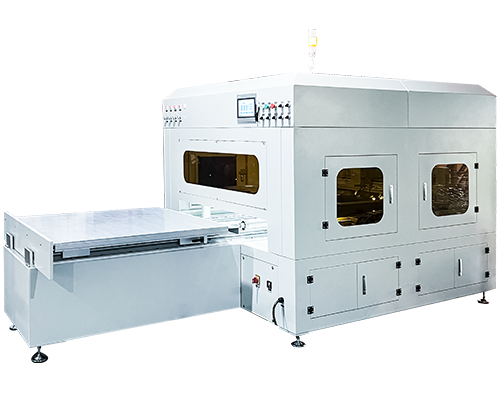
Cheersonic is the leading developer and manufacturer of ultrasonic coating systems for applying precise, thin film coatings to protect, strengthen or smooth surfaces on parts and components for the microelectronics/electronics, alternative energy, medical and industrial markets, including specialized glass applications in construction and automotive.
Our coating solutions are environmentally-friendly, efficient and highly reliable, and enable dramatic reductions in overspray, savings in raw material, water and energy usage and provide improved process repeatability, transfer efficiency, high uniformity and reduced emissions.
Chinese Website: Cheersonic Provides Professional Coating Solutions