Iridium-based Multi-component Composite Coated Titanium Anode (Ir-based MMO/DSA Anode)
Basic Definition
Full Name: Titanium-based iridium-based multi-component mixed metal oxide coated anode, belonging to the category of size-stable anodes (DSA/MMO anodes).
Using TA1/TA2 industrial pure titanium as the substrate, the surface is coated with a multi-component composite catalytic coating consisting of IrO₂ (iridium dioxide) as the core, combined with Ta, Sn, Mn, Ru, rare earth, and other metal oxides. It is currently the preferred industrial electrode for oxygen evolution reaction (OER) in acidic systems.
Distinguishing Features:
> Iridium-based multi-component anode = Oxygen evolution type anode (sulfate, strong acid environment)
> Ruthenium-iridium anode = Chloride evolution type anode (salt water, sodium hypochlorite, chloride ion-containing systems)
Typical Three-Layer Structure
1. Titanium Substrate (TA1/TA2 pure titanium)
Provides mechanical support and conductivity; roughened by sandblasting and oxalic acid etching to improve coating adhesion. After failure, the titanium substrate can be decoated and recoated for reuse.
2. Transition Intermediate Layer (Optional)
Mitigates the thermal expansion mismatch between the coating and the titanium substrate, prevents active oxygen from penetrating into the titanium matrix, and prevents titanium passivation (TiO₂ insulating layer formation).
3. Iridium-based Multi-component Composite Active Coating (Core)
- Basic Formulation: IrO₂-Ta₂O₅ (Iridium-tantalum binary, industry benchmark)
- Modified Multi-component Formulations (Ternary/Quadrivalent):
Ir-Ta-Sn, Ir-Ta-Mn, Ir-Ta-Ti, Ir-Ta-Rare Earth (Sm/Gd), Ir-Ru-Ta, etc.
Multi-component doping effects:
• Ta₂O₅: Inert framework, improves coating density and acid resistance, inhibits iridium dissolution and loss;
• Sn/Mn/Rare Earth: Regulates crystal structure, increases oxygen vacancy active sites, reduces oxygen evolution overpotential, reduces the amount of precious metal iridium used, and extends lifetime.
Mainstream Preparation Processes
1. Traditional Thermal Decomposition Method (Mainstream for Industrial Mass Production)
Precious metal precursor solution coating → drying → segmented high-temperature sintering (450–550℃), repeated multiple times to form a porous oxide coating;
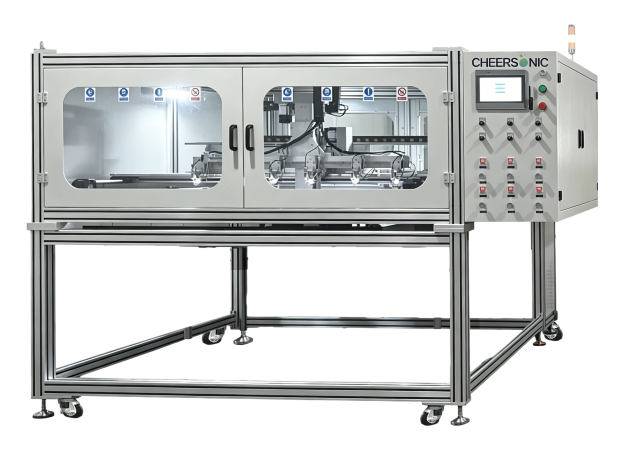
2. Ultrasonic Spraying Process (Next-Generation High-Precision Solution)
Uniform atomization, controllable coating thickness, optimized pore structure, higher precious metal utilization rate, good batch consistency, suitable for PEM water electrolysis, high-end copper foil, and precision electrosynthesis;
3. Others: Sol-gel, Magnetron Sputtering (mostly used in laboratories/small-size high-end samples).
Core Performance Advantages
1. Excellent Acidic Oxygen Evolution Catalysis: Low OER overpotential, lower cell voltage, saving energy;
2. Extremely Strong Corrosion Resistance: Resistant to strong acids such as sulfuric acid and nitric acid, and high anodic potential environments;
3. Dimensional Stability: Electrodes hardly dissolve or deform during electrolysis, with no secondary heavy metal pollution;
4. High Current Density Tolerance: 5000–15000 A/m² under normal operating conditions;
5. Adjustable Lifespan: Industrial lifespan of 3–10+ years, depending on iridium loading, formulation, and current density;
6. Flexible Forms: Can be manufactured into titanium mesh, titanium plates, titanium tubes, rods, and irregularly shaped parts.
Limitations: Iridium is a scarce and precious metal, resulting in high material costs; long-term use in high chloride ion systems is not recommended (it easily induces accelerated coating wear).
Key Application Areas (Oxygen Evolution Conditions)
1. New Energy Electrolysis
PEM proton exchange membrane electrolysis of water to produce green hydrogen anode, electrolysis of water to produce ozone;
2. Hydrometallurgy & Metal Foil Manufacturing
Electrolytic copper/aluminum foil formation, electrowinning of copper and zinc, electrolytic recovery of rare and precious metals, copper regeneration from etching solutions;
3. Advanced Oxidation Treatment of Industrial Wastewater
Electrochemical oxidation of high-COD organic acidic wastewater from dyeing, coking, pharmaceutical, and other industries;
4. Electroplating and Surface Treatment
Acidic copper plating, chromium plating, auxiliary anodes for precious metal electroplating;
5. Electrochemical Synthesis
Electrosynthesis of persulfate and organic acids, preparation of acid-base ionized water;
6. Impressed Current Cathodic Protection (ICCP)
Corrosion protection for pipelines, storage tanks, and concrete structures in freshwater and soil environments (ruthenium-iridium based systems are preferred for seawater).
Key Selection Technical Parameters (Customization Considerations)
1. Electrolyte System: pH, anions (sulfate/nitrate/trace chloride), temperature;
2. Average/Peak Current Density;
3. Target Service Life → Determines Iridium Loading (g/m²);
4. Coating Formulation Selection:
– Standard Strong Acid Conditions: Ir-Ta binary coating
– For lower energy consumption, longer service life, and reduced iridium consumption: Ir-Ta-Sn / Ir-Ta-Mn multi-component modified system;
5. Structural Form: Mesh (larger specific surface area) / Plate / Tubular;
6. Processing Method: Conventional thermal decomposition / High-end ultrasonic spraying.
Common Failure Modes
1. Electrolyte penetration, forming an insulating TiO₂ passivation film on the titanium substrate surface → rapid increase in tank voltage;
2. Slow electrochemical dissolution of IrO₂ under long-term high potential, gradually depleting the active coating;
3. Thermal cycling and bubble erosion leading to coating cracking and peeling (dependent on substrate pretreatment and transition layer design).
About Cheersonic
Cheersonic is the leading developer and manufacturer of ultrasonic coating systems for applying precise, thin film coatings to protect, strengthen or smooth surfaces on parts and components for the microelectronics/electronics, alternative energy, medical and industrial markets, including specialized glass applications in construction and automotive.
Our coating solutions are environmentally-friendly, efficient and highly reliable, and enable dramatic reductions in overspray, savings in raw material, water and energy usage and provide improved process repeatability, transfer efficiency, high uniformity and reduced emissions.
Chinese Website: Cheersonic Provides Professional Coating Solutions
