
Fuel Cell Principle
The principle of a fuel cell is an electrochemical device whose composition is the same as that of a general battery. The single cell is composed of positive and negative electrodes (the negative electrode is the fuel electrode and the positive electrode is the oxidizer electrode) and the electrolyte. The difference is that the active material of the general battery is stored inside the battery, so the battery capacity is limited. The positive and negative electrodes of the fuel cell itself do not contain any materials, but are just a catalytic converter element.
Therefore, the fuel cell is a veritable energy conversion machine that converts chemical energy into electrical energy. When the battery is working, the fuel and oxidant are supplied from the outside and react. In principle, as long as the reactants are continuously input and the reaction products are continuously eliminated, the fuel cell can continuously generate electricity. For example, a hydrogen-oxygen fuel cell is used to illustrate a fuel cell. Hydrogen-oxygen fuel cell reaction principle. This reaction is the reverse process of electrolysis of water. In addition, only the fuel cell body cannot work, and there must be a set of corresponding auxiliary systems, including reactant supply system, heat rejection system, drainage system, electrical performance control system and Safety devices, etc.
A fuel cell is usually composed of an electrolyte plate forming an ion conductor, a fuel electrode (anode) and an air electrode (cathode) arranged on both sides, and gas flow paths on both sides. The function of the gas flow path is to make the fuel gas and air (oxidant) Gas) can pass in the flow path. In practical fuel cells, the types of ions related to the reaction through the electrolyte are also different due to the different working electrolytes. PAFC and PEMFC are related to hydrogen ions in the reaction. After the e-electron reacts from the fuel electrode, it returns to the air electrode. The e-electron continuously moves in the external circuit to generate electric current to realize the power generation of the fuel cell.
Video of Fuel Cell Coating
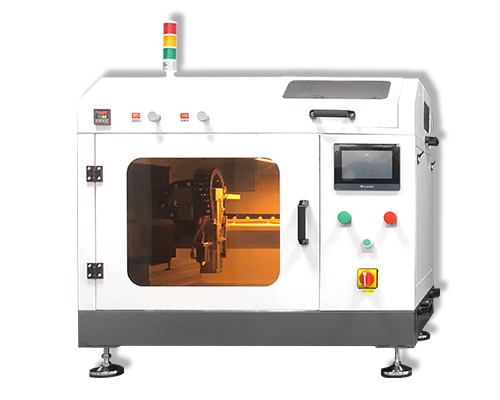
Ultrasonic spray fuel cell catalyst coating system can produce highly uniform, repeatable and durable coatings. Our ultrasonic spraying can well control coating properties, significantly reduce material usage, and reduce maintenance and downtime.
