
Formulation Technology & Life Science Research Platform
Formulation Process&Life Science Research Platform: Particle and Cell Engineering Driven by Atomization Technology
Spray drying/nanoparticle freeze drying: from droplet to precise administration
In the formulation development of medical devices and drug delivery systems, particle engineering is the core link – the particle size, morphology, and porosity of drugs directly determine the release rate, bioavailability, and stability. Spray drying can obtain inhalable powder aerosol, microsphere carrier or sustained-release microcapsule in one step by atomizing the drug solution into micron sized droplets and evaporating the solvent instantaneously; The freeze-drying of nanoparticles first prepares a nanosuspension, which is then subjected to freeze-drying to remove moisture, resulting in a redissolved freeze-dried powder of nanoparticles, effectively solving the problem of bioavailability of insoluble drugs.
The common starting point of these two processes is atomization. Ultrasonic atomization utilizes high-frequency vibration to break down the drug solution into narrow distribution micro/sub micron droplets, with controllable particle size, no shear heat, and no damage to the activity of biological macromolecules such as proteins and nucleic acids. It is particularly suitable for particle engineering of biological agents such as vaccines, antibodies, and mRNA.
Biological aerosols/biological mist&cell culture: making atomization serve life itself
On the life science research platform, the application of atomization technology is more cutting-edge. Bioaerosol research requires the release of microorganisms, proteins, or nucleic acids in the form of controllable particle size aerosols for the evaluation of respiratory toxicity, airborne transmission pathways, and inhaled vaccines; Biomist atomizes active biomolecules under milder conditions for precise deposition of cells/factors in surface functionalization or 3D bioprinting.
The field of cell culture also relies on controllable atomization: uniformly supplying growth factors, culture media, or transfection reagents in the form of fine mist to 3D cell scaffolds or organoids to avoid cell damage caused by direct impact, while achieving spatially and temporally controllable delivery of nutrients and signaling molecules.
Ultrasonic atomization has significant advantages in these scenarios – uniform droplet size, gentle operation at low flow rates, easy cleaning and sterilization of the system, meeting the stringent requirements of biological laboratories for sterility and reproducibility. From particle engineering to cell culture, atomization technology is becoming a key bridge connecting formulation processes and life science research.

Large Scale Preparation Process of Catalyst Powder
Large Scale Preparation Process of Catalyst Powder In the industrial [...]
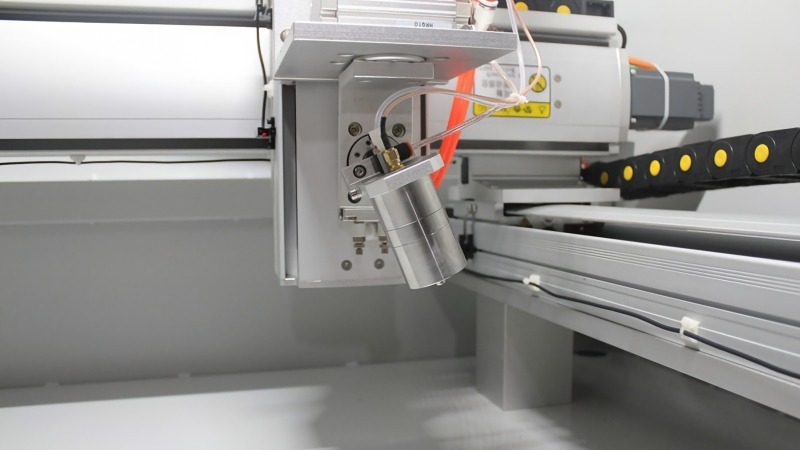
Ultrasonic Precision for Spray Freeze Drying and Lyophilization
Ultrasonic Precision for Spray Freeze Drying and Lyophilization Ultrasonic atomization [...]

Ultrasonic Freeze Drying Systems for Laboratory
Ultrasonic Freeze Drying Systems for Laboratory Ultrasonic Freeze Drying Systems [...]
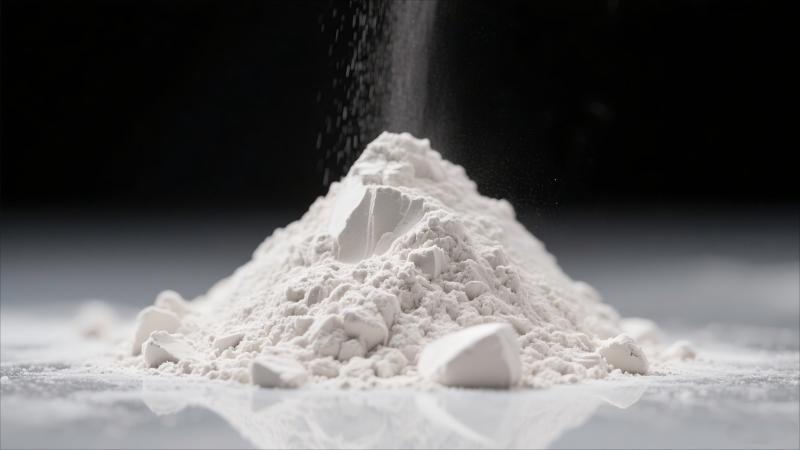
Typical Applications in Ultrasonic Spray Freeze Drying
Typical Applications in Ultrasonic Spray Freeze Drying Ultrasonic spray freeze [...]
Formulation Technology & Life Science Research Platform
Preparations and Life Sciences Spray drying/nanoparticle freeze drying [...]
