
Distributed Hydrogen Production
Distributed hydrogen production: a new path to break the bottleneck of hydrogen energy supply
In the context of energy transition, the hydrogen energy industry is facing development opportunities. The current issue of hydrogen supply cost and stability for hydrogen refueling stations in the transportation sector urgently needs to be addressed. This article analyzes the innovative model of distributed hydrogen production technology and explores its potential for synergy with hydrogen based derivative conversion technology, providing new ideas for building a safe hydrogen energy network.
Pain points and breakthrough direction of hydrogen energy supply
The existing hydrogen refueling stations mostly rely on long tube trailers to transport hydrogen, which has bottlenecks such as low transportation efficiency (single capacity<400kg), insufficient hydrogen unloading rate (70% -80%), and high safety risks. Distributed on-site hydrogen production can significantly reduce storage and transportation costs, becoming a key direction for industrial upgrading.
Four major distributed hydrogen production technology routes
1. Hydrogen production from natural gas
Relying on the urban gas pipeline network, efficient conversion is achieved through miniaturized reforming reactors (850 ℃), with the core of catalytic system optimization and equipment integration technology.
2. Hydrogen production from methanol
Utilizing the advantages of bulk liquid raw materials, the “reforming+catalytic oxidation” process (reaction temperature ≤ 250 ℃) is adopted to achieve intrinsic safety energy supply. The key breakthrough lies in the development of high-performance catalysts.
3. Hydrogen production through ammonia decomposition
The zero carbon pathway using liquid ammonia as a carrier consumes only one-third of the energy of electrolyzing water. The core lies in developing low-temperature and efficient ammonia decomposition catalysts and hydrogen nitrogen separation technology.
4. Electrolysis of water to produce hydrogen
With the rapid rise of green power development, we will focus on promoting the following innovations:
-Proton exchange membrane (PEM) electrolysis: compact equipment suitable for off grid scenarios
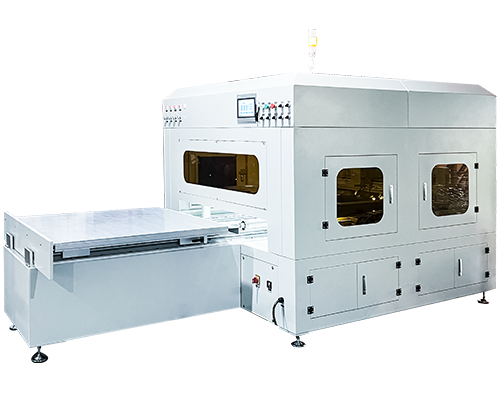
-Application of ultrasonic spraying technology: By accurately controlling the thickness and uniformity of catalyst coatings (such as Pt/C, IrO ₂, etc.), the electrode active area is increased by more than 20%, significantly reducing the power consumption of electrolytic cells
-Alkaline electrolysis (ALK): significant cost advantage
-Solid Oxide Electrolyte (SOEC) and Anion Membrane (AEM): At the forefront of exploration
Technical and Economic Outlook
-Raw material adaptability: The site selects low-carbon raw materials such as methanol/ammonia/green electricity based on regional resources
-System integration: Skid mounted equipment achieves a daily production capacity of 500-1000kg within 80 square meters
-Policy driven: Pilot projects in multiple regions have verified the feasibility of the integrated hydrogen production and refueling model
-Cost optimization: Improving catalyst performance in hydrogen production through electrolysis of water can reduce comprehensive electricity consumption by 15%
Typical application scenarios
1. Coastal comprehensive energy station: coupling photovoltaic power generation and electrolysis of water to produce hydrogen, with a daily supply of 1100kg of hydrogen
2. Demonstration site for methanol hydrogen production: Raw material consumption per cubic meter of hydrogen ≤ 0.67kg
3. Ammonia hydrogen production hub: Modular device achieves precise separation of hydrogen and nitrogen, meeting the needs of multiple cities for vehicle use
About Cheersonic
Cheersonic is the leading developer and manufacturer of ultrasonic coating systems for applying precise, thin film coatings to protect, strengthen or smooth surfaces on parts and components for the microelectronics/electronics, alternative energy, medical and industrial markets, including specialized glass applications in construction and automotive.
Our coating solutions are environmentally-friendly, efficient and highly reliable, and enable dramatic reductions in overspray, savings in raw material, water and energy usage and provide improved process repeatability, transfer efficiency, high uniformity and reduced emissions.
Chinese Website: Cheersonic Provides Professional Coating Solutions
