Email: market2@cheersonic.com
25 07, 2026

Ultrasonic Coating of Carbon Black

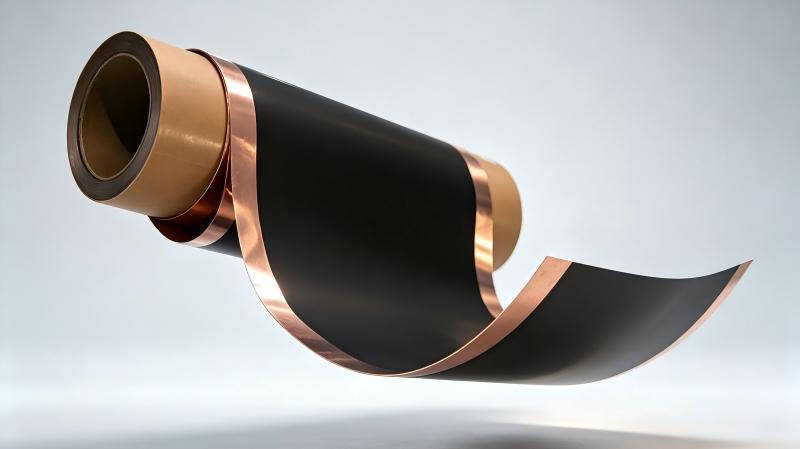
Ultrasonic Coating of Carbon Black Ultrasonic Coating of Carbon Black: A Key Technology for Optimizing the Electrode Conductivity of PEMFCs and AEMFCs As core devices for clean energy conversion, proton exchange membrane fuel cells (PEMFCs) and anion exchange membrane fuel cells (AEMFCs) rely critically on electrode conductivity to determine power density and energy efficiency. Carbon black, with its high electrical conductivity and large specific surface area, is a [...]

24 07, 2026

Optimization of Dry-Cathode Alkaline AEM Electrolytic Cell

Optimization of Dry-Cathode Alkaline AEM Electrolytic Cell Although the alkaline anion exchange membrane electrolysis technology (AEMWE) has developed rapidly in recent years, there is still a lack of systematic understanding and unified standards in the design of the core structure of the electrolysis cell and the matching of operating parameters, especially in the research and development of the special configuration of dry cathode. The structural performance of the [...]

24 07, 2026

Four Major Water Electrolysis Technologies for Hydrogen Production

Four Major Water Electrolysis Technologies for Hydrogen Production Electrolysis of water for hydrogen production is currently the core technology path for clean energy hydrogen production. It relies on the decomposition of water molecules by electricity to prepare high-purity hydrogen gas, which is suitable for multiple scenarios such as new energy coupled hydrogen production, industrial scale hydrogen production, and distributed hydrogen production. The four mainstream hydrogen production technologies in [...]

24 07, 2026

Complete Introduction to High-Pressure Syringe Coating

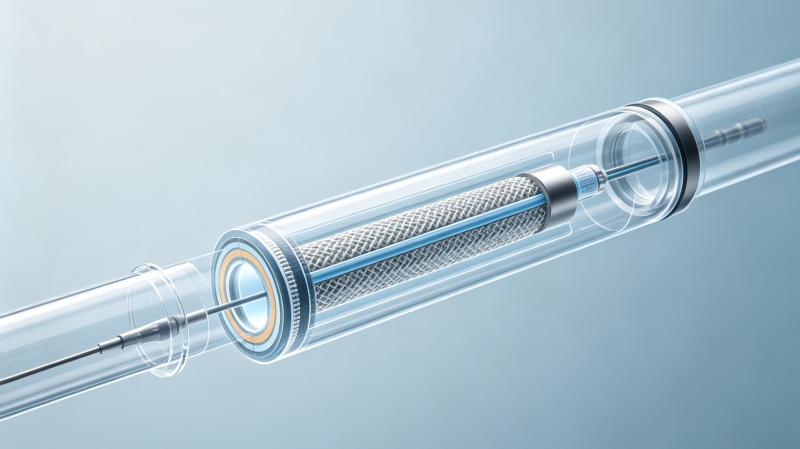
Complete Introduction to High-Pressure Syringe Coating High-pressure injectors are primarily used for image enhancement and contrast imaging, with instantaneous pressures exceeding 2 MPa. Core components include the PC syringe inner wall, rubber plunger (rubber stopper), and metal plunger. Coatings aim to lubricate, seal, resist contrast agent erosion, control friction, and reduce particulate precipitation. Mainstream Coating Types and Applications 1. Medical Silicone Oil Coating (PDMS, the traditional mainstream) Applications: [...]

23 07, 2026

Why is it Necessary to Prepare Surface Coatings?

Why is it Necessary to Prepare Surface Coatings? The surface of a material is the first line of defense against its interaction with the external environment or other substances, directly determining the performance of the material in practical applications. Therefore, special treatment is usually required through surface engineering techniques. It can be said that the surface of the material is the "forefront" where it functions, and preparing surface [...]

23 07, 2026

Ultrasonic Spray Coating for SU-8 Photoresist

Ultrasonic Spray Coating for SU-8 Photoresist Ultrasonic Spray Coating for SU-8 Photoresist: An Innovative Solution Breaking Through Traditional Coating Bottlenecks SU-8 photoresist is a negative near-ultraviolet photoresist based on an epoxy resin system. Its molecular structure contains eight epoxy groups, which undergo a cross-linking reaction under ultraviolet irradiation to form a stable network structure. With its extremely low light absorption in the near-ultraviolet 365–400 nm wavelength range, excellent [...]

23 07, 2026

Ultrasonic Graphene Spraying for PEMFC & AEMFC Electrodes

Ultrasonic Graphene Spraying for PEMFC & AEMFC Electrodes Ultrasonic Graphene Spraying for PEMFC & AEMFC Electrodes | Cheersonic Proton exchange membrane fuel cells (PEMFCs) and anion exchange membrane fuel cells (AEMFCs), as core components of clean energy conversion devices, rely heavily on electrode performance to determine battery efficiency and cost. Low-Pt-loading PEMFC cathodes face the problem of low Pt utilization, while non-precious metal electrodes in AEMFCs are limited [...]

22 07, 2026

SU-8 Photoresist

SU-8 Photoresist SU-8 Photoresist | MEMS/Microfluidics Dedicated Thick-Film Negative Photoresist: Performance Parameters & Application Details For micro/nano fabrication, MEMS devices, microfluidic chips, and UV-LIGA electroforming processes, one core material is almost always indispensable—SU-8 photoresist. As a mainstream epoxy-based chemically amplified negative thick-film photoresist in the industry, it has become the preferred material for research laboratories and industrial mass production due to its core advantages such as ultra-high aspect [...]

22 07, 2026

Ultrasonic Coating Polymer-Coated Separators

Ultrasonic Coating Polymer-Coated Separators Ultrasonic Coating Polymer-Coated Separators | Cheersonic Polymer-coated separators use ultrathin polyethylene (PE) membranes or ceramic-coated separators as substrates, and are formed by precision coating to create a polymer coating containing PVDF (polyvinylidene fluoride) or PMMA (polymethyl methacrylate). Polymer coatings optimize the interface structure between the electrode and the separator, improve electrical and safety performance, and are widely used in 3C and power battery fields. [...]

21 07, 2026

Iridium/Ruthenium-based Titanium-based Metal Oxide Anodes (MMO/DSA Anodes)

Iridium/Ruthenium-based Titanium-based Metal Oxide Anodes (MMO/DSA Anodes) Commonly known as titanium-based noble metal oxide coated anodes, the substrate is industrial pure titanium (TA1/TA2), and the surface is deposited with a platinum group metal mixed oxide catalyst layer through thermal decomposition. The full name is Size Stabilized Anode (DSA). The two main systems in the industry are: Ruthenium-based (Ru-based, chlorine-evolving) and Iridium-based (Ir-based, oxygen-evolving). Basic Structure and Preparation 1. [...]

Go to Top