Ultrasonic Spray Coating for Catalyst Inks
Learn how ultrasonic spray coating deposits catalyst inks, with guidance on atomization, dispersion, substrate wetting and coating validation.

Learn how ultrasonic spray coating deposits catalyst inks, with guidance on atomization, dispersion, substrate wetting and coating validation.
Compare spray and slot-die coating for electrode research, including coating geometry, ink use, process control, scaling and substrate compatibility.
An ionomer is a polymer containing fixed ionic groups that enable transport of counter-ions. In catalyst inks for electrochemical devices, an ionomer can provide ionic connectivity within the catalyst layer and help bind particles to a substrate. Its chemistry, amount, distribution, and compatibility with the solvent and catalyst influence the resulting microstructure.
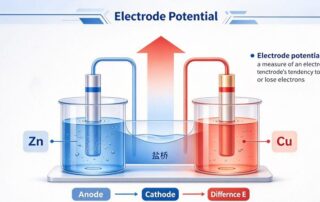
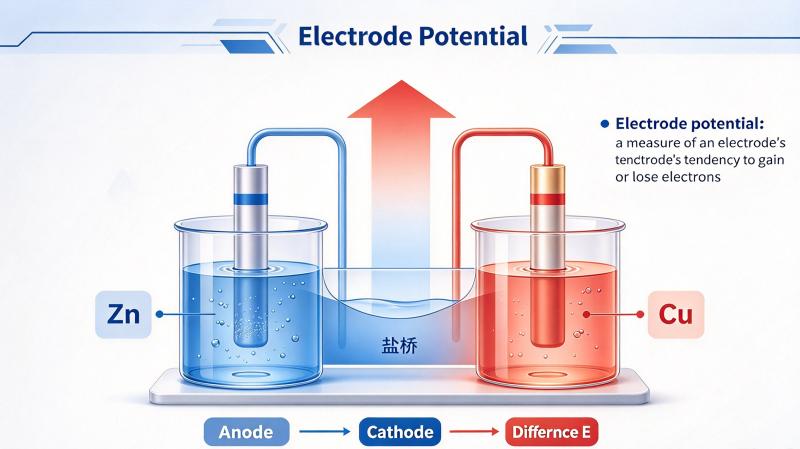
Electrode potential describes the tendency of an electrode interface to participate in oxidation or reduction under specified conditions. It reflects the energetics of charge transfer and depends on the electrode material, chemical species, activities, temperature, and interface state. Because an absolute single-electrode potential cannot be measured independently in a conventional experiment, practical values are measured relative to a reference electrode.
Oxidation and reduction are paired electron-transfer processes at the heart of electrochemistry. Oxidation means loss of electrons, while reduction means gain of electrons. In an electrochemical cell, the two processes occur at different electrode interfaces and are linked by electron flow through the external circuit and ion transport through the electrolyte.
An electrolyte is a substance or medium that contains mobile ions and conducts ionic current. In electrochemical research, it completes the ionic pathway between electrodes and influences charge balance, reaction kinetics, selectivity, and stability. Electrolytes may be aqueous solutions, non-aqueous liquids, polymer gels, molten salts, or solid ion conductors.
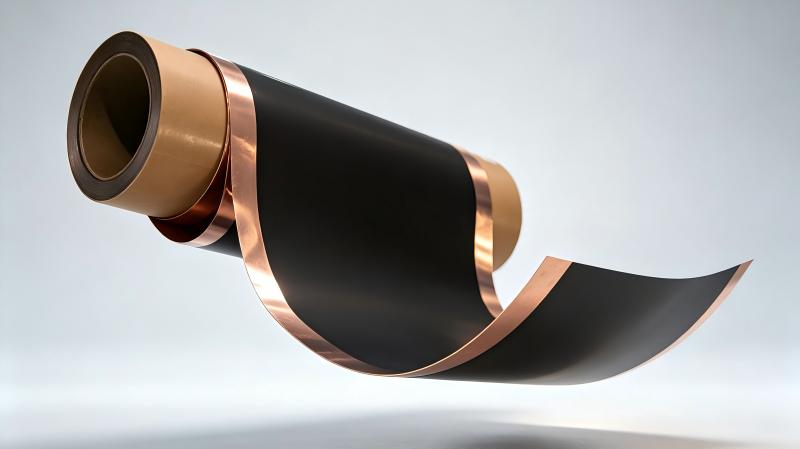
What is catalyst coating? Learn catalyst ink preparation, ultrasonic spray coating, electrode substrates, process variables and laboratory quality control.
Learn what an electrode is, how anodes and cathodes work, common electrode types and materials, and why surface preparation and coating quality matter in electrochemical research.
CYTOP Polymer Coatings: Planning Ultrasonic Spray Trials for Thin Films CYTOP is an amorphous fluoropolymer used in thin-film applications where properties such as transparency, electrical insulation, or water repellency are relevant. For a development team, the material name is only the starting point. The selected grade, solvent system, substrate, and thermal process determine whether a usable coating can be produced. Evaluating a polymer coater therefore requires a formulation-specific [...]
Ultrasonic Spray Coating Machine for Expanded Graphite Powder Ultrasonic Spray Coating Machine for Expanded Graphite Powder Expanded graphite powder is a novel functional carbon material, prepared from natural flake graphite through intercalation and high-temperature expansion processes. It has a loose, porous, worm-like structure and combines the cold and heat resistance, corrosion resistance, and self-lubricating properties of natural graphite with its own unique advantages such as porous adsorption, fire [...]

Address: No. 11-13, Chuangye Road, Changkou Town, Fuyang District, Hangzhou City, Zhejiang Province | Phone: +86-571-87910406 | Email: market2@cheersonic.com