Email: market2@cheersonic.com

About cheersonic

This author has not yet filled in any details.
So far cheersonic has created 3995 blog entries.
30 10, 2026

How Do CGM Biosensors Work?

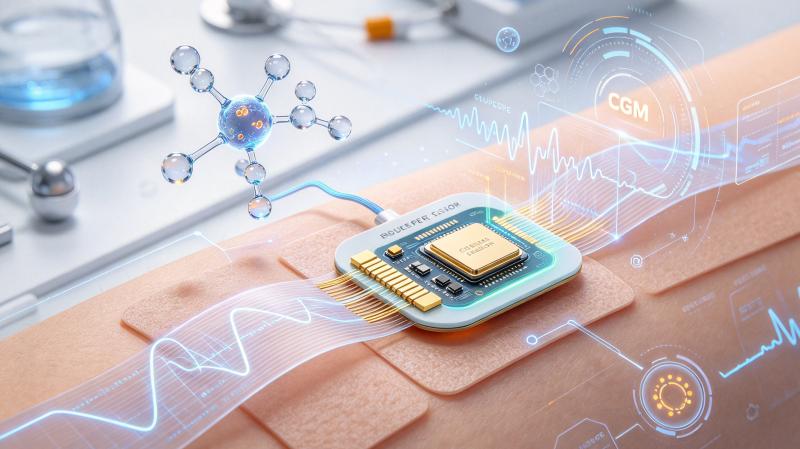
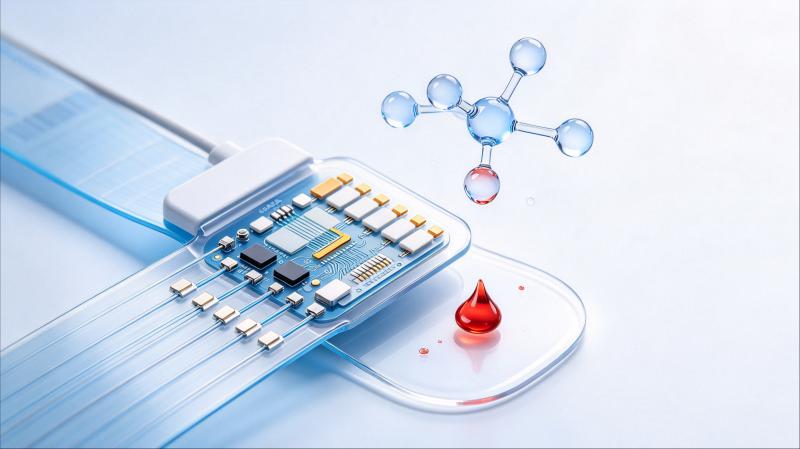
How Do CGM Biosensors Work? How Do CGM Biosensors Work? From Enzymatic Reactions and Electrochemical Signals to Sensor Lifetime Continuous glucose monitoring (CGM) is becoming an important technology in diabetes management. Unlike conventional intermittent blood glucose testing, CGM continuously or periodically collects glucose-related signals from interstitial fluid, helping users observe glucose trends and identify hyperglycemia, hypoglycemia, and post-meal fluctuations. For sensor developers, however, the central research question goes [...]
29 10, 2026

Ultra-Fine Insulated Wires in Cardiac Electrophysiology Catheters — The Role of Platinum-Iridium and Polyimide Coatings

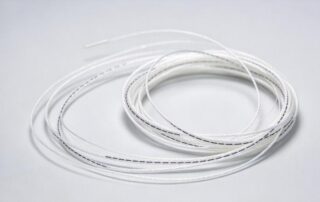
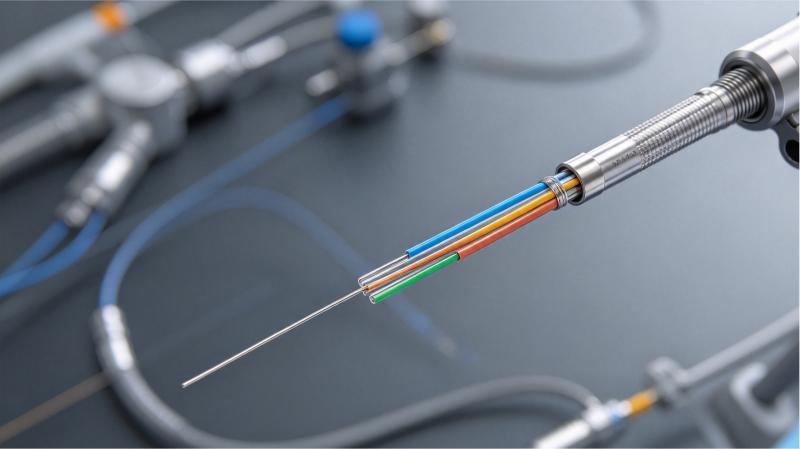
Cardiac Catheter Wire PI Coating Ultra-Fine Insulated Wires in Cardiac Electrophysiology Catheters — The Role of Platinum-Iridium and Polyimide Coatings 1. Why Do Cardiac Electrophysiology Catheters Need Miniature Wires? Cardiac electrophysiology technologies play an important role in diagnosing and treating cardiac arrhythmias. During electrophysiology procedures, physicians use specialized electrode catheters to record electrical activity inside the heart and identify abnormal electrical conduction pathways. Some electrophysiology catheters also incorporate [...]

29 10, 2026

Catalyst Deposition on Proton Exchange Membranes: Ultrasonic Spraying of Water–Isopropanol Inks

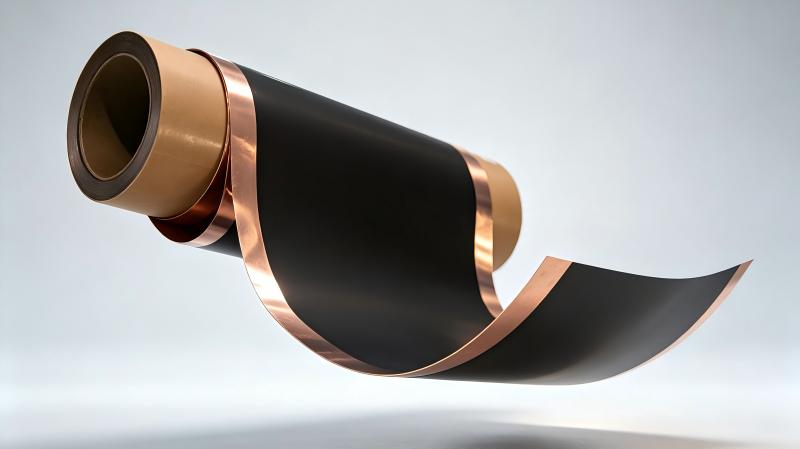
Catalyst Deposition on Proton Exchange Membranes Catalyst Deposition on Proton Exchange Membranes: Ultrasonic Spraying of Water–Isopropanol Inks Understanding Water–Isopropanol Catalyst Deposition on PEMs Catalyst deposition onto a proton exchange membrane (PEM) is a central manufacturing step for many catalyst-coated membrane (CCM) architectures used in electrochemical devices. An ultrasonic spray coating system can deliver an ink formulated with water and isopropanol (IPA) onto a membrane held on a controlled [...]

29 10, 2026

How Is Ultrasonic Spray Coating Used to Fabricate CGM Sensing Layers? From Preserving Enzyme Activity to Uniform Coating on PET Films

How Is Ultrasonic Spray Coating Used to Fabricate CGM Sensing Layers? From Preserving Enzyme Activity to Uniform Coating on PET Films In the development of continuous glucose monitoring (CGM) sensors, reliably depositing enzyme-containing solutions onto flexible substrates may seem like a basic task. In practice, however, it involves materials science, fluid dynamics, interfacial phenomena, and biochemistry. For electrochemical sensors that use glucose oxidase (GOx), the coating must do [...]

29 10, 2026

Ultrasonic Spray Coating Machine for Nano Barium Titanate

Ultrasonic Spray Coating Machine for Nano Barium Titanate Ultrasonic Spray Coating Machine for Nano Barium Titanate Nano barium titanate (tetragonal phase) is a high-performance perovskite-type ferroelectric nanomaterial. Using barium titanate as its core, it is precisely prepared to control the crystal structure to a tetragonal phase. It possesses excellent dielectric, piezoelectric, and ferroelectric properties, along with good thermal stability, making it an indispensable core material in high-end fields [...]

29 10, 2026

What Are Antibacterial Surgical Sutures? Antibacterial Mechanisms, Material Selection, and Ultrasonic Spray Coating Equipment

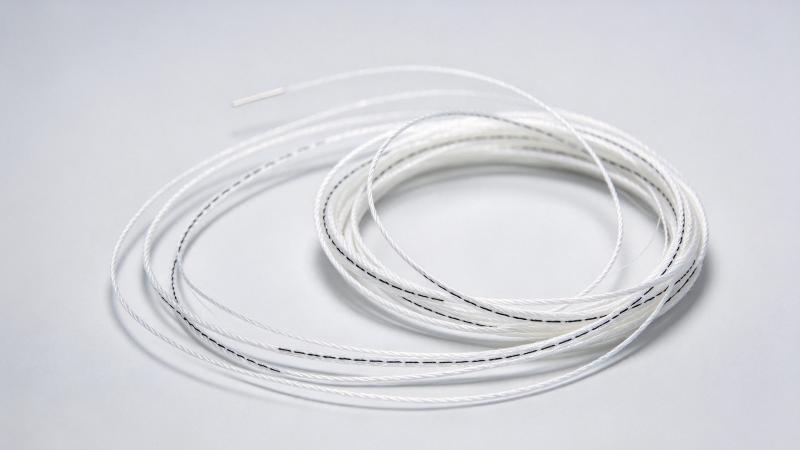
Antibacterial Surgical Sutures: Coatings and Equipment What Are Antibacterial Surgical Sutures? Antibacterial Mechanisms, Material Selection, and Ultrasonic Spray Coating Equipment 1. What Are Antibacterial Surgical Sutures? Antibacterial surgical sutures are medical devices designed to inhibit the growth of certain microorganisms through specific materials or surface treatments. Compared with conventional surgical sutures, antibacterial sutures must not only meet tissue approximation and wound closure requirements but also demonstrate their intended [...]

28 10, 2026

Reading Perovskite Formulas: MAPbI3, FAPbI3, FA/Cs, CsPbI2Br and CsPbBr3

Reading Perovskite Formulas: MAPbI3, FAPbI3, FA/Cs, CsPbI2Br and CsPbBr3 Perovskite shorthand helps researchers discuss materials quickly, but a formula is not a complete perovskite precursor solution recipe. It does not specify solvent, concentration, additives, phase or deposition history. MAPbI3, FAPbI3, FA/Cs-containing lead iodides, CsPbI2Br and CsPbBr3 are associated with different photovoltaic and optoelectronic research directions. Selecting among them requires a device objective and a compatible coating process rather [...]

28 10, 2026

Comparison of Antibacterial Surgical Suture Coating Methods: Dip Coating, Ultrasonic Spray Coating, and Continuous Thread Processing

Comparison of Antibacterial Surgical Suture Coating Methods: Dip Coating, Ultrasonic Spray Coating, and Continuous Thread Processing 1. Why Do Surgical Sutures Need Antibacterial Coatings? Surgical sutures are essential medical devices used for tissue approximation, wound closure, and tissue fixation during surgical procedures. During use, surgical sutures come into direct contact with tissues, blood, and bodily fluids. Because sutures are foreign materials implanted or temporarily retained in tissue, their [...]

28 10, 2026

Precision Coating Equipment for Drug-Coated Balloons and Coronary Stent Development

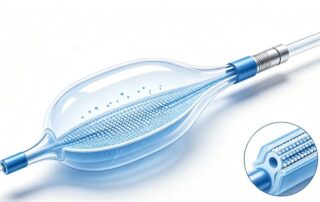
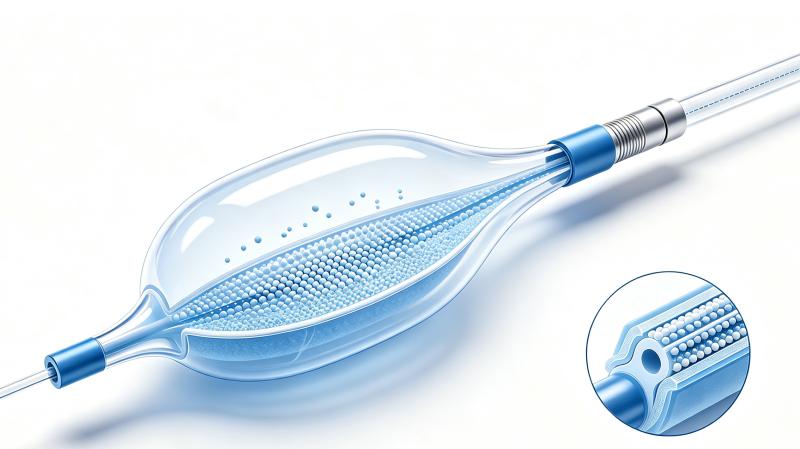
Precision Coating Equipment for Drug-Coated Balloons and Coronary Stent Development Ultrasonic Balloon Catheter Coating System: Precision Coating Equipment for Drug-Coated Balloons and Coronary Stent Development 1. Product Overview: What Is an Ultrasonic Balloon Catheter Coating System? An Ultrasonic Balloon Catheter Coating System is a precision coating equipment solution designed for surface coating applications involving medical devices. The system can be used to investigate the controlled deposition of drug [...]

28 10, 2026

Neural Stimulation and Recording Electrodes — How Polyimide Coatings on Platinum-Iridium Wires Support Precise Neural Signal Transmission

Neural Electrode PI Coating on Platinum-Iridium Wires Neural Stimulation and Recording Electrodes — How Polyimide Coatings on Platinum-Iridium Wires Support Precise Neural Signal Transmission 1. Why Do Neural Electrodes Require Ultra-Fine Platinum-Iridium Wires? With advances in neuroscience, brain-computer interfaces, and neuromodulation technologies, medical devices increasingly require miniature electrodes with reliable electrical performance and precise dimensions. Neural stimulation and recording electrodes serve as important interfaces between neural tissue and [...]

Go to Top