
Application of Catalysts in Membrane Electrode Reactors
Catalysts play a crucial role in membrane electrode systems, primarily in the following areas:
Promoting Electrochemical Reactions:
Anode Reaction: At the anode of a fuel cell, hydrogen needs to be oxidized to hydrogen ions, releasing electrons. Catalysts can lower the activation energy of the hydrogen oxidation reaction, enabling the reaction to proceed rapidly under lower energy conditions. For example, platinum (Pt) and its alloy catalysts efficiently adsorb hydrogen molecules at the anode and promote the breaking of chemical bonds within the molecules, causing hydrogen atoms to lose electrons and transform into hydrogen ions, providing a source of hydrogen ions for subsequent electrochemical reactions.
Cathode Reaction: At the cathode, oxygen needs to be reduced and combined with hydrogen ions transferred from the anode to form water. The oxygen reduction reaction is kinetically slow, requiring an efficient catalyst to accelerate the reaction. Commonly used cathode catalysts are also platinum-based catalysts, which enhance the adsorption and activation of oxygen on the electrode surface, promoting the electron-receiving reaction between oxygen and hydrogen ions to form water, thereby completing the entire electrochemical reaction and converting chemical energy into electrical energy.

Optimizing Electrode Structure:
Increasing Active Sites: Catalysts typically have a large surface area and abundant active sites. These active sites can adsorb reactant gas molecules, increasing the concentration of reactant gases on the electrode surface and boosting the reaction rate. For example, in a platinum-carbon (Pt/C) catalyst formed by loading platinum nanoparticles onto a carbon support, the carbon support provides a large surface area. The distribution of platinum nanoparticles on the carbon support creates numerous active sites, facilitating the adsorption and reaction of hydrogen and oxygen.
Build a good mass transfer channel: The presence of a catalyst improves the pore structure and wettability of the electrode, providing a good channel for the transport of reactant gases and protons. A suitable catalyst can form a uniform pore network within the electrode, facilitating the rapid diffusion of reactant gases to the catalyst surface to participate in the reaction. It also facilitates the timely discharge of generated water, preventing its accumulation within the electrode and hindering the reaction.
Improve battery performance and stability:
Improving battery efficiency: Highly efficient catalysts can significantly reduce the overpotential of electrochemical reactions, minimizing energy loss and improving the energy conversion efficiency of fuel cells. At low operating voltages, catalysts can accelerate reactions, enabling the fuel cell to output a higher current density, thereby increasing the battery’s power output.
Enhanced Stability: High-quality catalysts can resist the various corrosion and aging factors that affect electrodes during long-term operation. For example, some catalysts exhibit excellent oxidation and corrosion resistance, maintaining a stable structure and catalytic activity under the operating conditions of fuel cells, thereby extending the life of the membrane electrode.
Reduced Cost: While precious metal catalysts such as platinum offer excellent catalytic performance, their high cost has limited the large-scale application of fuel cells. Therefore, researchers are committed to developing low-platinum or non-platinum catalysts, such as transition metal oxides and carbon-based catalysts. These new catalysts can, to a certain extent, reduce catalyst costs while maintaining high catalytic activity, which is of great significance for promoting the commercial development of fuel cells.
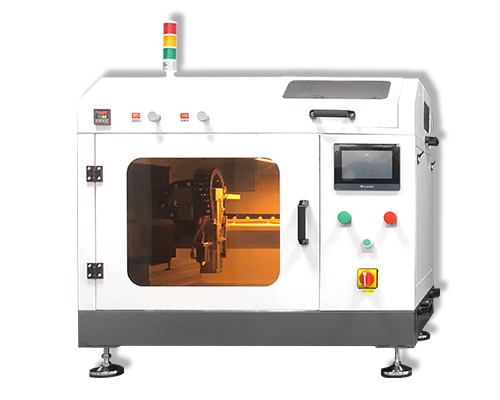
Ultrasonic spraying technology has become a key process for preparing high-performance membrane electrodes (MEAs) in the manufacturing of proton exchange membrane fuel cells (PEMFCs). This technology is mainly used to accurately and uniformly coat platinum carbon (Pt/C) catalyst slurry onto proton exchange membranes or gas diffusion layers, forming catalyst coated membranes (CCM) or catalyst coated diffusion layers (CCD).
Compared with traditional spraying, ultrasonic spraying utilizes high-frequency acoustic vibration to atomize the slurry into micrometer sized uniform droplets, achieving precise control of precious metal platinum and preparation of extremely thin catalytic layers. This brings three core advantages:
1. Improved performance: The uniform coating ensures sufficient reaction sites, reduces mass transfer resistance, and thus enhances the power density and efficiency of the battery.
2. Cost savings: The extremely high slurry utilization rate (up to 95% or more) and precise coating minimize the waste of expensive platinum catalysts.
3. Ensure consistency: Avoiding the “coffee ring effect” of traditional spraying, ensuring the uniformity and stability of membrane electrode performance in large-scale production.
Therefore, ultrasonic spraying technology is an indispensable advanced manufacturing method for achieving high-performance, low-cost, and commercial large-scale production of membrane electrodes.
About Cheersonic
Cheersonic is the leading developer and manufacturer of ultrasonic coating systems for applying precise, thin film coatings to protect, strengthen or smooth surfaces on parts and components for the microelectronics/electronics, alternative energy, medical and industrial markets, including specialized glass applications in construction and automotive.
Our coating solutions are environmentally-friendly, efficient and highly reliable, and enable dramatic reductions in overspray, savings in raw material, water and energy usage and provide improved process repeatability, transfer efficiency, high uniformity and reduced emissions.
Chinese Website: Cheersonic Provides Professional Coating Solutions
