
Analysis of Electrolytic Cell Technology
Analysis of Electrolytic Cell Technology : Comparison of Three Mainstream Hydrogen Production Solutions
Basic principle of electrolytic cell
The electrolytic cell decomposes water into hydrogen and oxygen through direct current, and its core components include electrodes, membranes, and electrolyte systems. The equipment needs to meet the requirements of high-purity hydrogen production, low energy consumption, easy maintenance, and long service life. It is a key device for renewable energy hydrogen production and widely used in the field of wind and solar energy storage.
Detailed explanation of the three major technical routes
1. Alkaline electrolytic cell (ALK)
Way of working
-Electrolyte: High concentration alkaline solution (such as KOH/NaOH)
-Reaction process:
-Cathode: 4H ₂ O+4e ⁻ → 2H ₂ ↑+4OH ⁻
-Anode: 4OH ⁻ → O ₂ ↑+2H ₂ O+4e ⁻
Hydroxyl ions migrate through the membrane to complete the cycle.
Core components
-Electrode: Nickel based material (accounting for 28% of the cost), affecting current density and efficiency
-Diaphragm: Barrier against gas permeation, resistant to alkali corrosion
-Sealing gasket: insulated and corrosion-resistant material (such as special rubber) to ensure airtightness
Features
High maturity, low cost, suitable for large-scale hydrogen production.
2. Proton exchange membrane electrolyzer (PEM)
Structural characteristics
Unit electrolytic cells are stacked together, with membrane electrodes (proton exchange membrane+catalytic layer) as the core, supplemented by gas diffusion layers and bipolar plates.
Reaction mechanism
-Anode: H ₂ O → 2H ⁺+Half O ₂ ↑+2e ⁻
-Cathode: 2H ⁺+2e ⁻ → H ₂ ↑
Proton penetrates through thin films for directional conduction.
Key material innovation
-Catalytic layer: Precious metal catalyst (platinum/iridium based) needs to resist strong acid corrosion
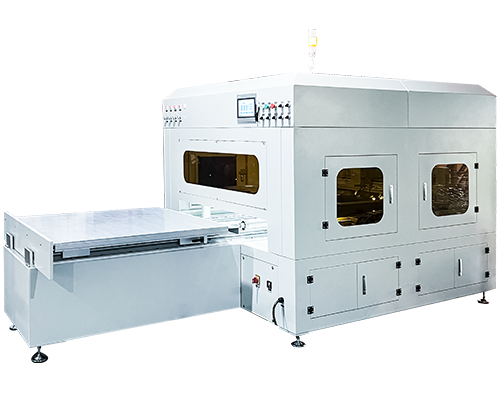
-Preparation process: Ultrasonic spraying technology can accurately control the thickness of the catalytic layer and improve the utilization rate of active substances
-Bipolar plate: Titanium based material achieves gas-liquid separation and conductivity
Technical advantages
Fast response and high efficiency (70% -77%), suitable for dynamic application scenarios.
3. Solid Oxide Electrolytic Cell (SOEC)
Principle of High Temperature Hydrogen Production
-Working temperature: 700-1000 ℃
-Cathode: 2H ₂ O+4e ⁻ → 2H ₂ ↑+2O ² ⁻
-Anode: 2O ² ⁻ → O ₂ ↑+4e ⁻
Oxygen ions migrate through ceramic electrolytes to release oxygen.
System integration
-Thermal energy recovery: preheating the inlet water using the outlet airflow
-Steam treatment: superheated steam participates in electrolysis reaction
Technical potential
Leading efficiency (90% -100%), with the lowest energy consumption, but the stability issue of high-temperature materials needs to be addressed.
Technological development focuses on
-Alkaline tank: Continuously optimizing diaphragm materials to reduce power consumption
-PEM tank: Reduce precious metal usage and break through cost bottlenecks through processes such as ultrasonic spraying
-SOEC tank: Developing high-temperature resistant decay ceramic materials to promote integrated utilization of waste heat
About Cheersonic
Cheersonic is the leading developer and manufacturer of ultrasonic coating systems for applying precise, thin film coatings to protect, strengthen or smooth surfaces on parts and components for the microelectronics/electronics, alternative energy, medical and industrial markets, including specialized glass applications in construction and automotive.
Our coating solutions are environmentally-friendly, efficient and highly reliable, and enable dramatic reductions in overspray, savings in raw material, water and energy usage and provide improved process repeatability, transfer efficiency, high uniformity and reduced emissions.
Chinese Website: Cheersonic Provides Professional Coating Solutions