
Fuel Cell Key Materials and Components
The fuel cell is a device that directly converts the chemical energy of a fuel into electrical energy. Theoretically, as long as the fuel is continuously supplied, the fuel cell can generate electricity continuously and has been hailed as the fourth generation of power generation technology after hydro, thermal and nuclear power. With its high fuel energy conversion rate, low noise level and zero emissions, the hydrogen fuel cell can be widely used in vehicles such as cars, aircraft, trains and stationary power stations.
Polymer electrolyte membrane (PEM) fuel cells are currently a hot topic of research for fuel cell applications. pem fuel cells are made from several different layers of materials. the core of a pem fuel cell is the membrane electrode assembly (MEA), which includes the membrane, catalyst layer and gas diffusion layers (GDLs). The hardware components used in a meant for incorporation into the fuel cell include gaskets, which provide a seal is to prevent leakage of gas, and duplex steel plates, which are used to assemble individual PEM fuel cells with fuel cell stacks and provide access to gaseous fuel and air.
The catalyst is one of the key materials for fuel cells. Its role is to reduce the activation energy of the reaction, promote the redox process of hydrogen and oxygen at the electrode and increase the reaction rate.
Proton exchange membranes are polymer electrolyte membranes that play an important role in conducting protons and separating cathode and anode reactants in fuel cells. In practical applications, proton exchange membranes are required to have high proton conductivity and good chemical and mechanical stability.
The membrane electrode assembly (MEA) is a combination of membrane, catalytic layer and diffusion layer and is one of the core components of the fuel cell.
The role of fuel cell bipolar plates is to conduct electrons, distribute reaction gas and assist in the discharge of generated water. The bipolar plate material should be easy to process and inexpensive from the aspect of productization. The bipolar plate materials often used in fuel cells include hard carbon plates, composite bipolar plates and metal bipolar plates.
The Fuel Cell Stack is the core of the fuel cell power generation system. Usually, in order to meet certain power and voltage requirements, the stack is usually made up of hundreds of individual cells connected in series, while fluids such as reaction gas, produced water and coolant are usually connected in parallel or in a specially designed way (e.g. series-parallel) to flow through each individual cell. The homogeneity of the fuel cell reactor is an important factor governing the performance of the fuel cell reactor.
Fuel cells have several advantages over the conventional combustion technologies currently used in many power plants and automobiles. Firstly, the efficiency of power generation is as high as 50% to 60% and can be as high as 70% or more if they can be combined to form a cyclic power generation system. Secondly, fuel cells are less polluting to the environment than conventional thermal power generation. Thirdly, because of the small number of internal components, fuel cells do not produce a large amount of noise during operation, generally 50dB to 70dB.
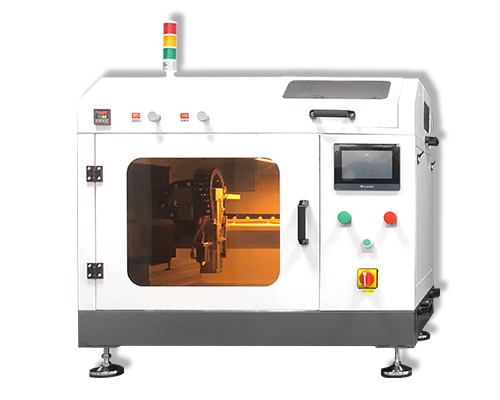
About Cheersonic
Cheersonic is the leading developer and manufacturer of ultrasonic coating systems for applying precise, thin film coatings to protect, strengthen or smooth surfaces on parts and components for the microelectronics/electronics, alternative energy, medical and industrial markets, including specialized glass applications in construction and automotive.
Our coating solutions are environmentally-friendly, efficient and highly reliable, and enable dramatic reductions in overspray, savings in raw material, water and energy usage and provide improved process repeatability, transfer efficiency, high uniformity and reduced emissions.
Chinese Website: Cheersonic Provides Professional Coating Solutions