
Introduction to Fuel Cell System
Fuel cell system is the most basic and core part of fuel cell vehicles. The biggest difference between fuel cell vehicles and power battery vehicles is the use of hydrogen-oxygen reaction to generate electricity. The fuel cell system is mainly composed of a stack, a fuel processor, a power regulator, and an air compressor. Each system component has its unique key technology, among which stack technology is the most critical.
fuel cell stack. In order to meet the requirements of a certain output power and output voltage, fuel cell (FC) monomers are usually combined in a certain way to form a fuel cell stack, and corresponding auxiliary equipment (BOP, Balance Of Plant) is configured. Under the control of the battery control unit, the normal operation of the fuel cell is realized, which together constitute the fuel cell system. A fuel cell system used as a vehicle power source is called a fuel cell engine. The fuel cell stack is the core of the fuel cell engine, and the BOP maintains the continuous, stable and safe operation of the stack. Fuel cell engine auxiliary system mainly includes air compressor, fuel cell humidifier, hydrogen circulation pump, pressure regulator and system control unit.
The fuel cell stack is the main component of the fuel cell system, including electrodes, proton exchange membrane (PEM), bipolar plates, gas diffusion layer (GDL), end plates and other components. Among them, the electrode, PEM and GDL are integrated together to become a membrane electrode (MEA), which is the main component of the stack. The electrode is a thin, electrically conductive, pressurized layer between the PEM and the GDL, where the electrochemical reaction takes place. PEM is a thin film between the cathode catalytic layer and the anode catalytic layer, which is the medium for hydrogen proton conduction, and the performance of PEM directly affects the performance of the entire stack. The bipolar plates are used to support the membrane electrodes and collect the single cell current. All single cells are connected in series through bipolar plates to provide electric power that meets the power requirements of the vehicle.
Fuel cell system control technology. The durability of the fuel cell is the key to the problem of the fuel cell vehicle, and a large part of the durability lies in the problem of the control system. After a lot of research, it has been shown that the key factors affecting the life of fuel cells are: dynamic working conditions, starting, continuous idling, etc., and these factors are finally determined by the system control. Therefore, the fuel cell system control technology has become one of the most critical technologies of the fuel cell.
The fuel cell control unit includes an air compressor control module, a fuel cell system control module and a battery voltage monitoring module. The air compressor control box receives the control signal sent by the fuel cell control module, and at the same time sends the feedback signal (such as the speed of the air compressor, etc.) to the fuel cell system control module. The fuel cell system control module mainly determines the appropriate control parameters according to various signals received, and communicates with the vehicle management system through the CAN bus. The battery voltage monitoring module is used to monitor the voltage of the single cell, and sends a warning signal to the fuel cell control module when the voltage is too low. Through the comprehensive function of the auxiliary system and the control system, the efficient operation of the fuel cell system can be realized, and the most efficient use of energy can be realized.
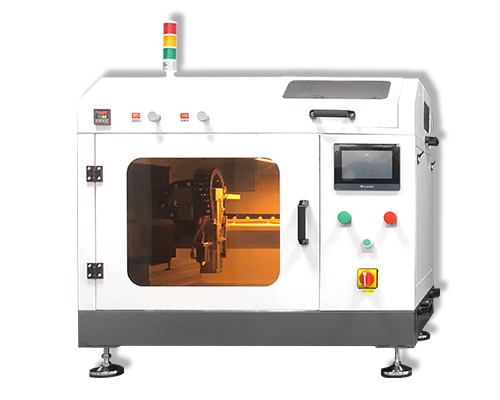
Cheersonic’s fuel cell catalyst coating systems are uniquely suited for these challenging applications by creating highly uniform, repeatable, and durable coatings. Using the company’s patented ultrasonic spray head technology, it can spray uniformly and efficiently on proton exchange membranes and gas diffusion layers. Uniform catalyst coatings are deposited onto PEM fuel cells, GDLs, electrodes, various electrolyte membranes, and solid oxide fuel cells with suspensions containing carbon black inks, PTFE binder, ceramic slurries, platinum and other precious metals. Other metal alloys, including Platinum, Nickel, Ir, and Ru-based fuel cell catalyst coatings of metal oxide suspensions can be sprayed using ultrasonics for manufacturing PEM fuel cells, polymer electrolyte membrane (PEM) electrolyzer, DMFCs (Direct Methanol Fuel Cells) and SOFCs (Solid Oxide Fuel Cells) to create maximum load and high cell efficiency.
The advantages of Cheersonic’s ultrasonic equipment include:
1.Very high Platinum utilization proven in MEA fabrication; as high as 90%.
2.Non-clogging
3.Low-flow spray reduces spillage and air pollution.
4.Continuous or intermittent operation possible
5.Highly porous coatings are extremely durable, preventing cracking or peeling of catalyst layer.
6.No moving parts to wear out
7.Minimal maintenance and downtime.
8.Robust design and materials resist corrosion.
9.Ultrasonic energy disperses the agglomerated particles, producing a homogeneous coating.
Chinese Website: Cheersonic Provides Professional Coating Solutions