
Main Types of Fuel Cells
Generally, fuel cells can be divided into phosphoric acid fuel cells, solid oxide fuel cells, alkaline fuel cells, proton exchange membrane fuel cells, lysocarbonate fuel cells, etc. In recent years, with the deepening of fuel cell research, direct carbon fuel cells, microbial fuel cells, direct methanol fuel cells, glucose/O2 enzyme fuel cells, etc. have gradually emerged. Among the above types, the earliest developed fuel cells are phosphoric acid fuel cells and alkaline fuel cells, also known as first-generation fuel cells, which have developed relatively mature technologies so far. The second-generation fuel cell is a molten carbonate fuel cell, and the third-generation fuel cell is a solid oxide fuel cell.
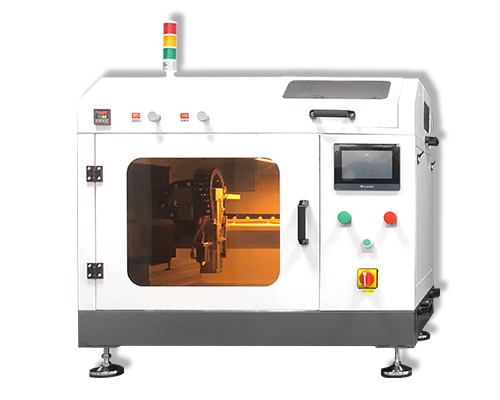
Cheersonic’s fuel cell catalyst coating systems are uniquely suited for these challenging applications by creating highly uniform, repeatable, and durable coatings. Using the company’s patented ultrasonic spray head technology, it can spray uniformly and efficiently on proton exchange membranes and gas diffusion layers. Uniform catalyst coatings are deposited onto PEM fuel cells, GDLs, electrodes, various electrolyte membranes, and solid oxide fuel cells with suspensions containing carbon black inks, PTFE binder, ceramic slurries, platinum and other precious metals. Other metal alloys, including Platinum, Nickel, Ir, and Ru-based fuel cell catalyst coatings of metal oxide suspensions can be sprayed using ultrasonics for manufacturing PEM fuel cells, polymer electrolyte membrane (PEM) electrolyzer, DMFCs (Direct Methanol Fuel Cells) and SOFCs (Solid Oxide Fuel Cells) to create maximum load and high cell efficiency.
The advantages of Cheersonic’s ultrasonic equipment include:
1.Very high Platinum utilization proven in MEA fabrication; as high as 90%.
2.Non-clogging
3.Low-flow spray reduces spillage and air pollution.
4.Continuous or intermittent operation possible
5.Highly porous coatings are extremely durable, preventing cracking or peeling of catalyst layer.
6.No moving parts to wear out
7.Minimal maintenance and downtime.
8.Robust design and materials resist corrosion.
9.Ultrasonic energy disperses the agglomerated particles, producing a homogeneous coating.
Chinese Website: Cheersonic Provides Professional Coating Solutions